

Introduction
As sustainable packaging becomes increasingly important for e-commerce, retail, fulfillment, and other businesses, paper-based protective packaging materials are being used more widely. A mini paper shredding machine provides a compact and practical way to process paper into shredded or cushioning material for packaging applications.
Instead of preparing packaging paper manually, businesses can use a mini paper shredding machine to process suitable paper materials quickly and consistently. Its compact design also makes it suitable for smaller packaging operations where workspace and production requirements are limited.
Understanding what a mini paper shredding machine is, how it works, and what factors affect its performance can help businesses determine whether this type of equipment is suitable for their packaging process.
What Is a Mini Paper Shredding Machine?
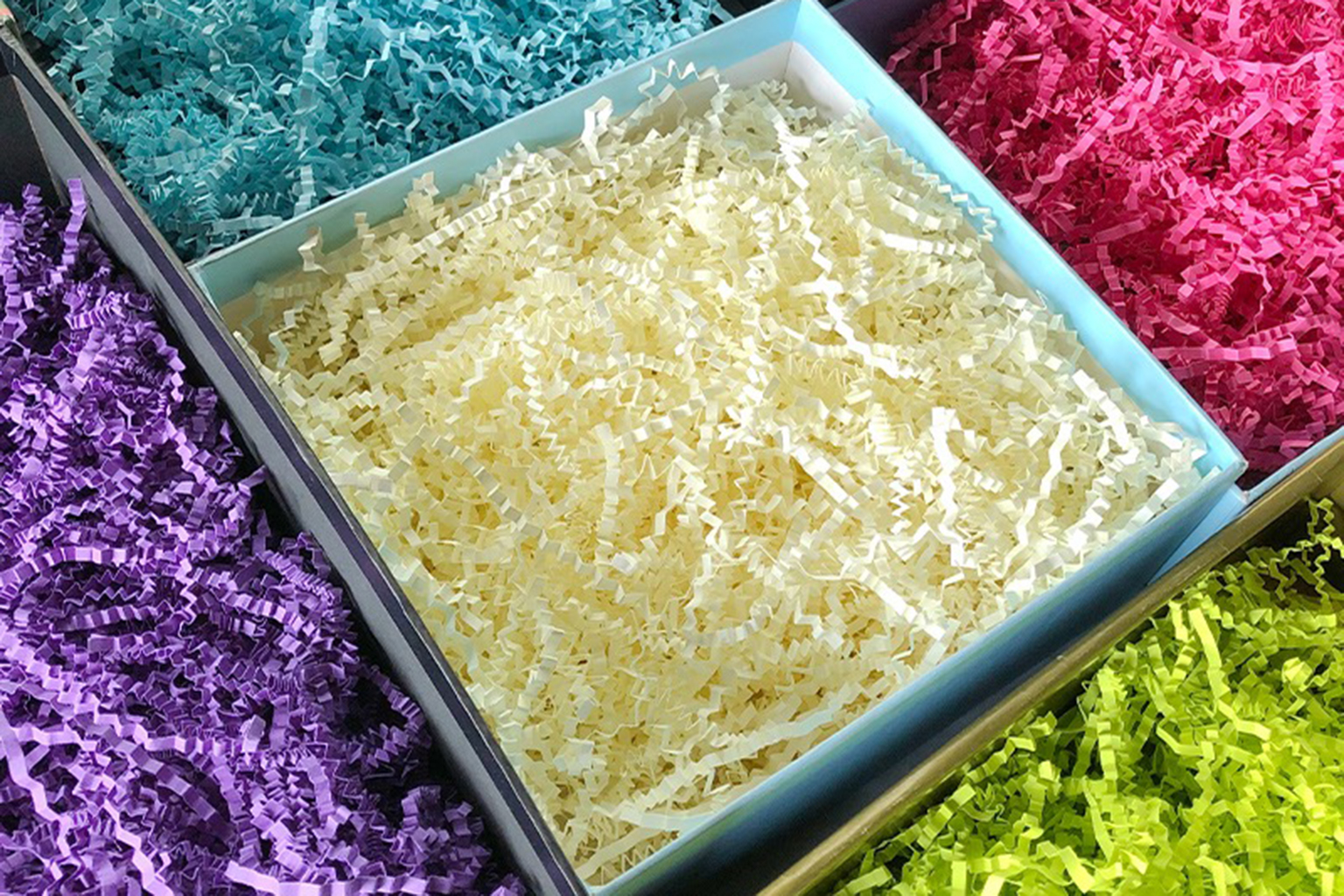
A mini paper shredding machine is a compact piece of equipment designed to cut or shred paper into smaller pieces, strips, or other forms of packaging material. Depending on its configuration, the processed paper can be used for void filling, product cushioning, wrapping, gift packaging, and other protective packaging applications.
Compared with large industrial paper processing systems, mini paper shredding machines generally have a smaller footprint and are designed for businesses with moderate material processing requirements. They can be positioned near packing stations, allowing operators to produce packaging material when needed.
The exact output of a machine depends on its cutting structure, paper characteristics, and configuration. Therefore, businesses should select a machine based on the type of packaging material they need rather than simply choosing the smallest available model.
How Does a Mini Paper Shredding Machine Work?
The basic working process of a mini paper shredding machine is relatively straightforward. Paper is introduced into the feeding system, transported toward the cutting mechanism, processed into the required size or shape, and then collected or directed toward the packaging workstation.
1. Paper Feeding
The process begins with paper being supplied to the machine. Depending on the model, the equipment may support different feeding methods, such as roll feeding or sheet feeding.
The feeding system helps move the paper into the cutting section at a controlled rate. Consistent feeding is important because irregular material input can affect output quality and processing efficiency.
2. Paper Cutting or Shredding
After entering the machine, the paper reaches the cutting or shredding mechanism. Rotating blades, cutting rollers, or other processing components reduce the paper into smaller sections.
The exact cutting method determines the characteristics of the finished material. Some machines are designed to create narrow strips or shredded paper, while other configurations may produce material with additional cushioning or crinkle characteristics.
The machine should be matched with the paper thickness and material specifications recommended by the manufacturer. Using unsuitable materials can affect cutting performance and increase wear on components.
3. Output Formation
Once the paper has been processed, the finished material exits the cutting area. Depending on the machine design, it may be collected in a container or supplied directly to a packaging workstation.
For businesses that pack products continuously, having the machine located close to the packing area can reduce unnecessary material handling. Operators can produce packaging material according to actual demand rather than storing large quantities in advance.
4. Packaging Application
The processed paper can then be used for different packaging purposes. For example, shredded paper can fill empty spaces inside boxes and help reduce product movement during transportation. It may also be used as a cushioning or decorative material for gift boxes, cosmetics packaging, subscription boxes, and retail products.
The appropriate application depends on the output characteristics of the machine and the requirements of the packaged products.
What Are the Main Components of a Mini Paper Shredding Machine?
Although machine structures vary between manufacturers and models, a mini paper shredding machine generally includes several important components.
The feeding system introduces paper into the machine and helps maintain a stable material flow. The cutting or shredding mechanism is responsible for processing the paper into the desired form. The drive system provides the mechanical power required for operation, while the control system allows operators to start, stop, and manage the machine.
Many machines also include safety components designed to protect operators during use. The exact configuration depends on the machine manufacturer and intended application.
What Types of Paper Can It Process?
The types of paper supported by a mini paper shredding machine depend on its design and specifications. Kraft paper and recycled paper are commonly considered for paper-based packaging applications, but the machine’s recommended material range should always be checked before operation.
Paper thickness, width, moisture content, and physical condition can influence processing performance. Paper that is too thick or otherwise outside the recommended specifications may cause feeding problems or place additional stress on cutting components.
For businesses using multiple paper materials, it is useful to confirm compatibility with the manufacturer and, when necessary, conduct material testing before purchasing equipment.
What Are the Applications of a Mini Paper Shredding Machine?
Mini paper shredding machines are particularly useful in packaging environments where protective paper material is needed regularly.
E-commerce businesses can use processed paper to fill empty spaces in shipping cartons. Retailers and gift packaging companies can use shredded paper for product presentation and protection. Small fulfillment centers can produce packaging material near their packing stations, while manufacturers may use paper-based materials to protect products during internal handling or shipping.
The equipment can also be useful for businesses looking to introduce more paper-based packaging materials into their existing packaging workflow.
What Are the Benefits of Using a Mini Paper Shredding Machine?
One major benefit is the ability to produce packaging material on demand. Instead of relying entirely on pre-processed filling materials, businesses can process suitable paper as required.
The compact design is another advantage for small and medium-sized operations. A mini machine can require less floor space than larger industrial equipment, making it easier to integrate into an existing packing area.
Automation can also reduce repetitive manual shredding work and help create more consistent packaging material. For businesses with regular packaging requirements, this may contribute to a more organized and efficient packing process.
Mini Paper Shredding Machine vs. Manual Paper Shredding
Manual paper shredding requires employees to repeatedly cut or process paper by hand, which can be time-consuming when packaging volumes increase. The resulting material may also vary in size and consistency.
A mini paper shredding machine automates the cutting process and provides a more repeatable output. It can therefore be a practical option when a business needs packaging material regularly but does not require the capacity of a large industrial paper processing system.
The right choice depends on packaging volume, labor availability, material requirements, and the level of automation needed.
How to Maintain a Mini Paper Shredding Machine
Regular maintenance can help maintain stable machine performance and extend equipment service life. Operators should follow the manufacturer’s maintenance instructions and regularly inspect cutting components, feeding areas, electrical connections, and other critical parts.
Paper dust and small particles may accumulate during operation, so appropriate cleaning is also important. Cutting components should be checked for wear, particularly when the machine is used frequently.
Using paper within the recommended specifications can also help reduce unnecessary stress on the machine and maintain consistent processing performance.
Conclusion
A mini paper shredding machine is a compact solution for converting suitable paper into shredded or protective packaging material. Its basic operation involves feeding paper into the machine, processing it through a cutting mechanism, and collecting the finished material for packaging applications.
For e-commerce businesses, retailers, fulfillment centers, gift packaging companies, and other small to medium-sized operations, this type of equipment can provide a convenient way to produce paper-based packaging material on demand.
Before choosing a machine, businesses should consider paper compatibility, output requirements, feeding method, machine dimensions, finished material characteristics, maintenance needs, and overall packaging workflow. Selecting equipment that matches these requirements can help create a more efficient and practical paper packaging process.
FAQ
1. What is a mini paper shredding machine?
A mini paper shredding machine is compact equipment designed to cut or shred paper into smaller strips, pieces, or protective packaging material. It is commonly used for void filling, cushioning, wrapping, and other packaging applications.
2. How does a mini paper shredding machine work?
The machine feeds paper into a cutting or shredding mechanism, where blades, rollers, or other processing components reduce the paper into the required size or shape. The finished material is then discharged for collection or direct use in packaging.
3. What types of paper can a mini paper shredding machine process?
Depending on the model, a mini paper shredding machine may process kraft paper, recycled paper, wrapping paper, and other suitable paper materials. The acceptable paper width and thickness depend on the machine’s specifications.
4. What does a mini paper shredding machine produce?
It can produce shredded paper, paper strips, or other forms of paper-based packaging material. The exact output depends on the cutting structure and machine configuration.
5. Can shredded paper be used for packaging?
Yes. Shredded paper can be used as void filling and protective packaging material. It can help fill empty spaces inside cartons, reduce product movement, and provide additional protection during transportation.
6. Is a mini paper shredding machine suitable for e-commerce businesses?
Yes. Its compact design and on-demand material production make it suitable for e-commerce stores, retailers, gift packaging businesses, and small fulfillment operations that regularly need paper-based packaging material.


