

Introduction
A Kraft paper bubble making machine is a packaging machine designed to convert kraft paper into cushioning materials with a bubble-like or three-dimensional structure. These paper-based packaging materials provide cushioning and help protect products from scratches, impacts, and movement during storage and transportation. As businesses look for alternatives to traditional plastic packaging, kraft paper cushioning solutions are gaining attention in e-commerce, logistics, warehousing, and industrial packaging.
For packaging manufacturers and distributors, understanding how a kraft paper bubble making machine works is essential when evaluating equipment for production efficiency, material compatibility, and packaging performance. By selecting the right machine, businesses can improve packaging workflows, reduce dependence on plastic cushioning materials, and meet the growing demand for paper-based protective packaging.
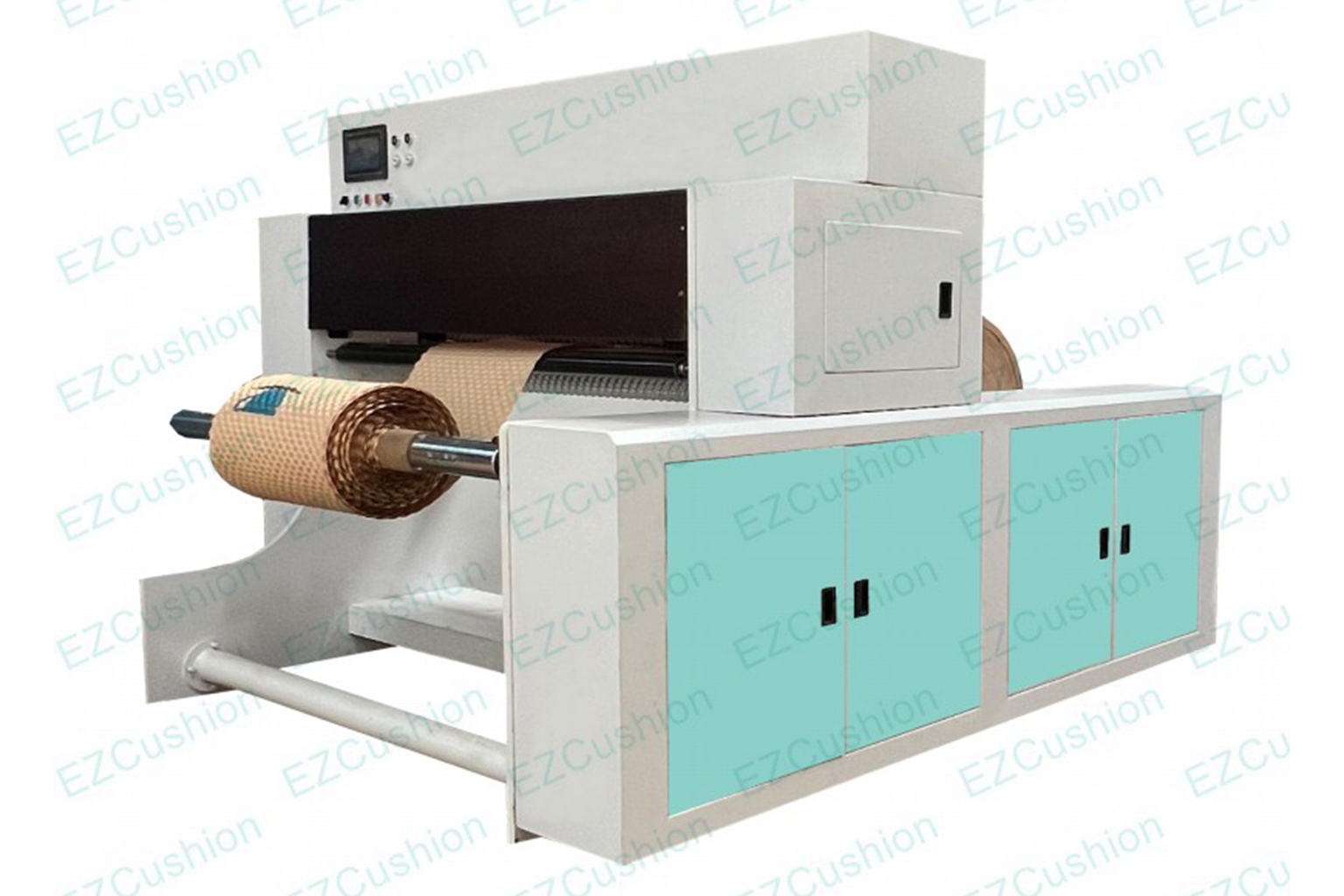
What Is a Kraft Paper Bubble Making Machine?
A kraft paper bubble making machine is equipment used to process kraft paper into structured cushioning material. Depending on the machine design, the paper may be embossed, folded, shaped, or formed into a cushioning pattern that creates space and flexibility within the packaging material.
Unlike conventional bubble wrap made from plastic film, kraft paper cushioning materials use paper as their primary raw material. Their formed structure helps absorb minor impacts and provides a protective layer around packaged products. They can be used for wrapping fragile items, filling empty spaces in shipping cartons, and separating products during transportation.
These machines are suitable for packaging material manufacturers, e-commerce fulfillment centers, logistics companies, and businesses seeking paper-based alternatives to plastic protective packaging. However, the exact output structure and production capacity depend on the machine model and its forming technology.
How Does a Kraft Paper Bubble Making Machine Work?
Although machine configurations vary, the production process generally involves feeding kraft paper, forming the paper structure, adjusting the output, and preparing the finished cushioning material for use.
1. Kraft Paper Feeding
The process begins with a roll or sheet of kraft paper loaded into the machine. The feeding system guides the paper into the forming section at a controlled speed to maintain consistent material movement.
Paper weight, width, thickness, and flexibility can affect feeding stability and forming quality. Therefore, operators should select kraft paper that meets the machine manufacturer’s specifications. Proper roll installation and tension adjustment also help prevent wrinkles, misalignment, and unnecessary material waste.
2. Paper Forming and Shaping
After feeding, the kraft paper passes through the machine’s forming mechanism. Depending on the equipment design, rollers, shaping components, folding mechanisms, or other forming systems transform the flat paper into a three-dimensional or cushioning structure.
The purpose of this stage is to create a shape that provides flexibility and protective space around packaged products. Consistent forming is important because uneven structures may reduce cushioning performance or make the material difficult to handle during packaging.
The forming method is one of the most important differences between equipment models. Buyers should confirm whether a machine produces bubble-like paper cushioning, crumpled paper, folded paper, or another specific protective structure before purchasing.
3. Structure Adjustment and Material Control
Once the paper has been formed, the machine maintains the required structure through its mechanical configuration and operating settings. Depending on the model, operators may be able to adjust production speed, feeding tension, forming parameters, or output dimensions.
Correct adjustment helps maintain consistent material quality and reduces the likelihood of paper tearing, uneven shaping, and feeding interruptions. Operators should follow the manufacturer’s recommended settings when changing paper specifications or production requirements.
4. Cutting or Output Collection
After forming, the finished cushioning material is delivered to the output section. Depending on the equipment, the material may be cut to a specified length, collected in continuous rolls, or fed directly into a downstream packaging process.
Automated cutting and collection features can reduce manual handling and improve workflow efficiency. For high-volume applications, buyers should evaluate whether the machine supports continuous production, automatic length control, and convenient material collection.
5. Inspection and Packaging
The final stage involves checking the formed paper for consistency, structural integrity, and suitability for the intended packaging application. Operators should inspect the material for tears, irregular shapes, inconsistent dimensions, and other defects that may affect its protective function.
Once inspected, the finished material can be stored, supplied to packaging stations, or prepared for distribution to customers. Regular quality checks help maintain stable production results and reduce material waste.
What Are the Main Components of a Kraft Paper Bubble Making Machine?
The main components vary by manufacturer and machine design, but several systems are commonly found in paper cushioning equipment.
Paper feeding system: Holds and feeds the kraft paper into the machine. Stable feeding helps maintain continuous operation and consistent output.
Forming mechanism: Shapes the flat paper into the required cushioning structure. Its design directly affects the material’s appearance, dimensions, and structural characteristics.
Drive and control system: Coordinates the movement of machine components and allows operators to manage production settings. More advanced models may include digital controls, speed adjustment, or automated operating functions.
Cutting and output system: Handles the finished material by cutting it to length, guiding it out of the machine, or collecting it for later use, depending on the configuration.
Safety and maintenance components: Guards, emergency stops, and accessible maintenance points help support safe operation and routine servicing. Buyers should confirm that the machine meets applicable workplace safety requirements.
What Are the Benefits of Using a Kraft Paper Bubble Making Machine?
1. Supports Paper-Based Protective Packaging
Kraft paper cushioning offers businesses an alternative to conventional plastic protective materials. For companies working to reduce plastic use, paper-based cushioning can help support packaging improvement initiatives. Its environmental benefits depend on the paper source, coatings or additives, local recycling infrastructure, and actual disposal conditions.
2. Improves Packaging Efficiency
Producing cushioning materials with dedicated machinery can make the packaging process more consistent than manually preparing protective paper. Depending on the equipment’s automation level and output speed, businesses may reduce repetitive labor and improve packaging station productivity.
3. Provides Flexible Packaging Applications
Paper cushioning can be used in e-commerce shipments, electronic product packaging, household goods distribution, and other applications requiring surface protection or void filling. Businesses should select the appropriate material structure based on product weight, fragility, shipping conditions, and packaging design.
4. Helps Optimize Material Usage
A well-matched machine can produce cushioning material according to specific packaging requirements, helping businesses control material consumption and reduce unnecessary waste. Actual savings depend on paper prices, production efficiency, product dimensions, and the amount of cushioning required per package.
5. Supports Business Growth
For packaging suppliers and manufacturers, a kraft paper bubble making machine can help expand product offerings to include paper-based protective packaging. Businesses can serve customers looking for alternatives to plastic cushioning while developing additional packaging products for different industries.
What Factors Should You Consider When Choosing a Kraft Paper Bubble Making Machine?
Selecting the right machine requires evaluating both production requirements and the characteristics of the finished packaging material.
1. Paper Compatibility
Check the supported paper width, grammage, thickness, roll dimensions, and material specifications. Not every machine can process every type of kraft paper, so compatibility should be confirmed before purchasing equipment.
2. Production Capacity
Evaluate the machine’s rated output speed and expected production capacity under actual operating conditions. Consider daily packaging volume, operating hours, changeover time, and the number of operators required.
A high-speed machine may not always be the most cost-effective choice if production demand is relatively low. The equipment should match both current requirements and realistic future growth.
3. Finished Material Quality
The cushioning material should have a consistent structure and provide suitable protection for the intended products. Ask the manufacturer for samples and, where possible, conduct packaging and transportation tests before making a final decision.
4. Automation and Operating Convenience
Consider features such as automatic feeding, adjustable speed, length control, cutting functions, and digital controls. Higher automation may improve consistency and reduce manual intervention, but the additional cost should be justified by the expected production benefits.
5. Maintenance and After-Sales Support
Reliable equipment should be easy to maintain and supported by accessible spare parts, clear operating instructions, and responsive technical assistance. Buyers should also confirm warranty terms, training availability, and the manufacturer’s experience with similar packaging applications.
6. Total Operating Cost
The purchase price is only one part of the investment. Evaluate paper consumption, electricity usage, labor, maintenance, spare parts, and expected production downtime. Comparing these factors provides a more realistic understanding of the machine’s long-term operating cost.
Kraft Paper Bubble Making Machine vs. Traditional Plastic Bubble Wrap Equipment
Kraft paper cushioning machines and plastic bubble wrap production equipment serve different material requirements and production purposes.
Traditional plastic bubble wrap equipment forms air-filled pockets in plastic film, while kraft paper cushioning machinery processes paper into a protective structure. Plastic bubble wrap provides cushioning through trapped air, whereas paper-based materials rely on their formed structure, paper properties, and application-specific design.
For businesses selecting equipment, the key consideration is the intended packaging function. Plastic bubble wrap may remain suitable for applications requiring moisture resistance or particular cushioning characteristics. Kraft paper cushioning may be more appropriate when customers prioritize paper-based packaging, compatibility with existing paper recycling streams, or reduced use of plastic materials.
Neither material is universally suitable for every application. Product fragility, shipping conditions, packaging costs, and end-of-life requirements should guide the final decision.
Common Applications of Kraft Paper Bubble Making Machines
Kraft paper cushioning equipment can support several packaging and distribution operations.
E-commerce and fulfillment: Paper cushioning helps protect products inside shipping cartons and can fill gaps that allow items to move during delivery.
Electronics and accessories: Suitable paper cushioning structures can help reduce surface scratches and minor impacts when used with an appropriate packaging design.
Household goods and consumer products: Manufacturers and distributors can use paper-based cushioning to separate items, protect surfaces, and improve carton organization.
Packaging material manufacturing: Packaging suppliers can produce paper cushioning products for resale to retailers, warehouses, logistics providers, and other businesses.
Industrial packaging: Depending on the material’s tested performance, paper cushioning can be incorporated into packaging systems for selected components and manufactured goods.
The required machine configuration should be determined by the finished material, production volume, and protection requirements of each application.
How to Maintain a Kraft Paper Bubble Making Machine
Regular maintenance helps maintain stable operation, reduce unplanned downtime, and extend equipment service life.
Operators should inspect the paper feeding system, rollers, forming components, and cutting mechanisms according to the manufacturer’s maintenance schedule. Paper dust and accumulated debris should be removed using approved cleaning procedures, while moving parts should be lubricated only where and as specified by the manufacturer.
Before adjusting or cleaning internal mechanisms, operators should follow the machine’s shutdown and energy-isolation procedures. Electrical components, emergency stops, and safety guards should also be inspected periodically.
In addition, production records can help identify recurring problems such as paper jams, inconsistent forming, or excessive material waste. Addressing these issues early can improve production efficiency and reduce maintenance costs over time.
Conclusion
A kraft paper bubble making machine converts kraft paper into structured protective cushioning materials through feeding, forming, output control, and collection processes. It can help packaging manufacturers, e-commerce businesses, and logistics companies develop paper-based packaging options while improving production consistency and workflow efficiency.
When choosing equipment, buyers should focus on paper compatibility, forming technology, production capacity, finished material performance, automation, and after-sales support. Because different machines produce different paper cushioning structures, confirming the actual output and testing samples are important steps before making a purchasing decision.
For businesses planning to expand their paper-based protective packaging operations, selecting a machine that matches real production requirements can support reliable performance, controlled operating costs, and long-term business development.
FAQ
What is a kraft paper bubble making machine?
A kraft paper bubble making machine is equipment designed to convert kraft paper into structured cushioning materials for protective packaging. Depending on its design, it can produce bubble-like, folded, or other three-dimensional paper structures used to protect products during storage and transportation.
How does a kraft paper bubble making machine work?
The machine feeds kraft paper through a forming mechanism that shapes the material into a cushioning structure. The finished paper is then controlled, cut or collected according to the machine’s configuration, and inspected before use in packaging applications.
What materials can a kraft paper bubble making machine process?
Most machines are designed for specified types of kraft paper. Supported paper width, grammage, thickness, roll dimensions, and material properties vary by model. Buyers should confirm material compatibility with the manufacturer before purchasing.
What are the main benefits of using a kraft paper bubble making machine?
Key benefits include supporting paper-based protective packaging, improving packaging workflow efficiency, maintaining consistent material production, and reducing reliance on conventional plastic cushioning materials. Actual cost savings and environmental benefits depend on operating conditions and material disposal practices.
What industries use kraft paper bubble making machines?
Common applications include e-commerce fulfillment, logistics, warehousing, packaging material manufacturing, electronics distribution, consumer goods, and selected industrial packaging operations.
How do I choose the right kraft paper bubble making machine?
Consider paper compatibility, production capacity, finished cushioning quality, automation level, operating costs, maintenance requirements, and after-sales support. Testing samples with your actual packaging products can help determine whether the machine meets your requirements.


