

Introduction
Crinkle paper is widely used in modern packaging as a void filler and protective material. It can help fill empty spaces inside cartons, reduce product movement, and improve the visual appearance of e-commerce, retail, gift, cosmetic, and subscription box packaging.
As packaging demand increases, businesses may consider using a crinkle paper machine instead of preparing paper manually. However, there are different feeding methods available, with Sheet Feeding Crinkle Paper Machines and Roll Feeding Crinkle Paper Machines being two common options.
The main difference is the form of paper supplied to the machine. Sheet feeding machines process individual paper sheets, while roll feeding machines process continuous paper rolls. This difference affects material preparation, workflow, production continuity, storage, and the type of packaging operation for which each machine is most suitable.
Understanding these differences can help businesses select the right crinkle paper machine for their packaging requirements.
What Is a Sheet Feeding Crinkle Paper Machine?
A Sheet Feeding Crinkle Paper Machine is designed to process individual sheets of paper into crinkle packaging filler.
The operator loads a stack of suitable paper sheets into the feeding section. The machine then automatically separates and feeds the sheets into the processing area, where they are cut or shredded and subsequently crinkled.
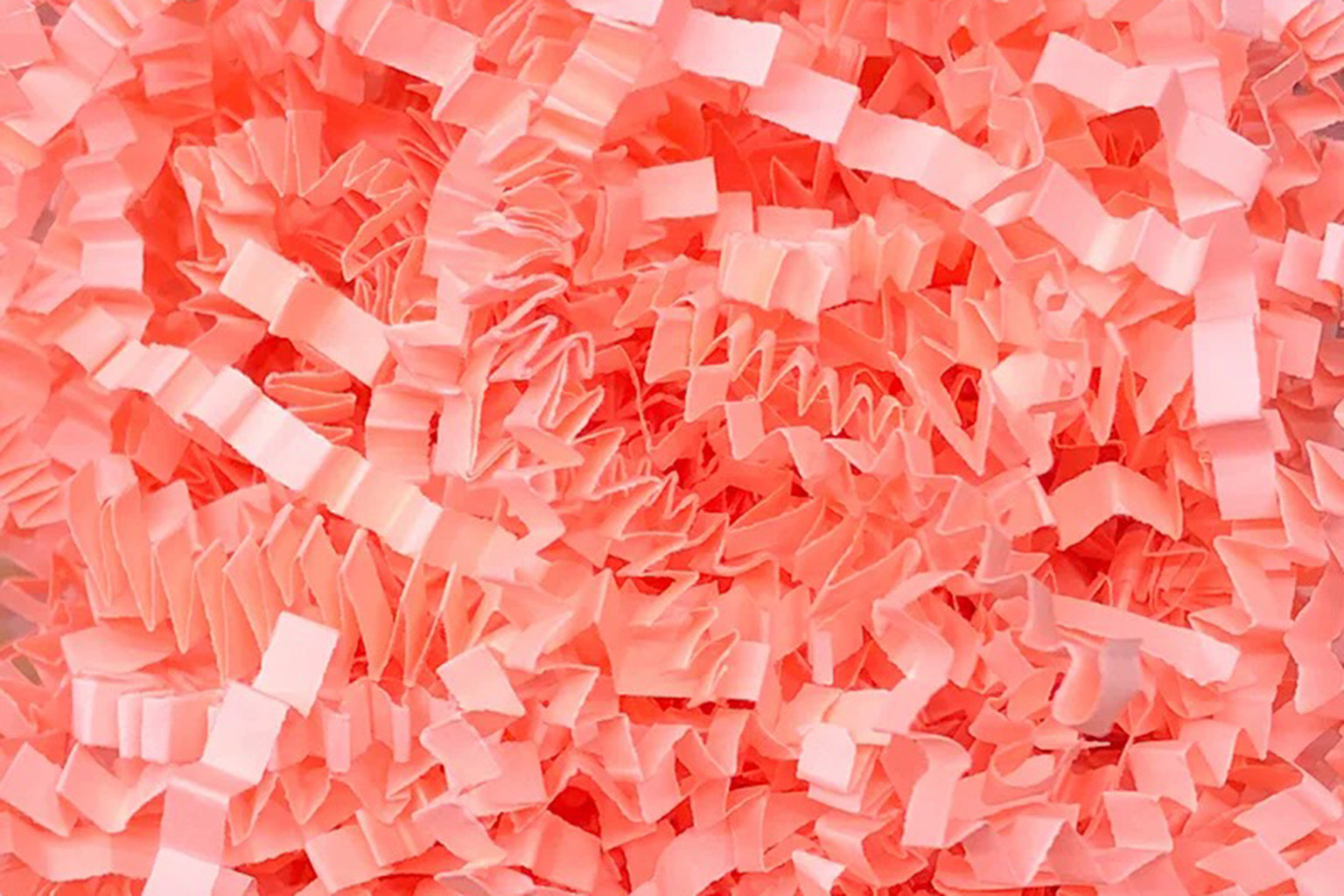
The finished paper has a textured, three-dimensional structure that can be used to fill empty spaces around products.
Sheet feeding equipment can be suitable for businesses that already purchase paper in sheet form or have access to suitable paper sheets as part of their packaging or production process.
What Is a Roll Feeding Crinkle Paper Machine?
A Roll Feeding Crinkle Paper Machine processes paper supplied in continuous roll form.
Instead of loading individual sheets, the operator installs a paper roll into the machine’s roll holder or feeding system. The machine continuously pulls the paper through the processing mechanism, where it is cut and crinkled into packaging filler.
The continuous material supply makes roll feeding particularly suitable for businesses that need to produce crinkle paper regularly throughout the working day.
The exact paper width, thickness, roll diameter, processing speed, and output depend on the specific machine model.
Sheet Feeding vs. Roll Feeding: The Main Difference
The fundamental difference is the input material.
A sheet feeding machine starts with individual paper sheets, while a roll feeding machine starts with a continuous paper roll.
This affects how operators load materials and how the machine handles paper during production.
| Factor | Sheet Feeding | Roll Feeding |
| Input material | Individual paper sheets | Continuous paper rolls |
| Loading method | Stack of sheets | Paper roll |
| Material flow | Sheet by sheet | Continuous |
| Manual material handling | Relatively higher | Relatively lower |
| Production continuity | Batch-based | More continuous |
| Suitable paper format | Pre-cut sheets | Roll material |
| Material storage | Sheets | Rolls |
| Typical advantage | Flexibility with sheet materials | Continuous production |
Neither feeding method is automatically better. The appropriate choice depends on the company’s paper supply, packaging volume, production workflow, and operational requirements.
How Does Sheet Feeding Work?
The sheet feeding process begins when the operator places a stack of paper into the machine.
The feeding mechanism separates the sheets and transfers them into the processing section. The paper is then cut or shredded into the required structure before passing through the crinkling mechanism.
During crinkling, mechanical components deform the paper to create a textured structure. The finished material is discharged from the machine and can be collected for use at the packing station.
Because the machine works with individual sheets, it can be useful when a business already has paper available in pre-cut form.
How Does Roll Feeding Work?
Roll feeding starts with the installation of a suitable paper roll.
Once the roll is loaded, the feeding system continuously pulls paper into the machine. The paper moves through the cutting and crinkling sections without requiring the operator to load individual sheets.
The processed crinkle paper is then discharged for collection or direct use.
The continuous nature of roll feeding can reduce interruptions associated with repeatedly loading individual sheets, especially when the machine is used for long production periods.
Which One Provides More Continuous Production?
In general, roll feeding provides a more continuous production process because the machine processes a long length of paper from a single roll.
With sheet feeding, the machine processes individual sheets or batches of sheets. The operator may need to reload the feeding area after the available sheets have been processed.
This does not mean that sheet feeding is inefficient. For businesses with moderate production requirements or ready access to paper sheets, sheet feeding can still provide effective automation.
However, for operations that require a constant supply of crinkle paper, the continuous nature of roll feeding can provide an advantage.
Which One Requires Less Material Handling?
Roll feeding generally requires less frequent material handling during operation.
An operator loads a paper roll, and the machine can continue feeding the material automatically until the roll needs to be replaced.
Sheet feeding requires stacks of individual sheets to be loaded into the machine. Depending on the sheet size and stack capacity, the operator may need to replenish the feeding area more frequently.
For high-volume packaging operations, reducing material handling can improve workflow efficiency.
However, businesses should also consider the handling requirements before the paper reaches the machine. Rolls may require appropriate storage and handling equipment, while sheets may be easier to handle manually in smaller quantities.
Which Is Better for Paper Storage?
The answer depends on the available storage system and purchasing method.
Paper sheets can often be stacked on shelves, pallets, or other flat storage areas. This can be convenient for businesses that already use sheet-based materials.
Paper rolls require vertical or horizontal storage depending on their dimensions and handling requirements. Large rolls may also require more careful movement to avoid damage.
From a warehouse perspective, businesses should consider not only the volume of material but also the way paper is purchased, delivered, moved, and stored before selecting a feeding method.
Which One Is More Flexible?
Sheet feeding can provide flexibility when a business works with different paper sheets.
For example, a company may use kraft paper, recycled paper, or colored paper sheets in different sizes for different packaging applications. If these materials are already available in sheet form, a sheet feeding machine can process them directly, provided they meet the machine specifications.
Roll feeding is more dependent on suitable roll material. Businesses need to purchase or prepare paper in compatible roll dimensions.
However, roll feeding can provide excellent flexibility in terms of continuous production length and can be particularly convenient for standardized packaging operations.
Therefore, the flexibility advantage depends on what type of paper the business normally uses.
Which Is Faster?
There is no single speed that applies to every sheet feeding or roll feeding machine. Actual output depends on machine design, paper specifications, processing settings, and operating conditions.
However, roll feeding has an inherent advantage in continuous material supply. Once a suitable roll is installed, the machine can process the paper continuously without needing to separate individual sheets.
Sheet feeding machines can also operate automatically and efficiently, but their production process is based on individual sheets.
For businesses focused on continuous high-volume production, roll feeding may therefore be more convenient. For businesses processing smaller batches or using pre-cut sheets, sheet feeding may provide sufficient capacity.
Which Is Better for E-Commerce Packaging?
Both types can be used for e-commerce packaging.
E-commerce businesses often need different amounts of void filler depending on the size and type of products being shipped.
A sheet feeding machine may be suitable for businesses that use paper sheets and produce crinkle paper in smaller or moderate batches.
A roll feeding machine can be advantageous for larger fulfillment operations where crinkle paper is required continuously at multiple packing stations.
The best choice depends on daily order volume, packing station layout, paper supply, and the required amount of filler.
Which Is Better for Gift and Retail Packaging?
Both feeding methods can produce crinkle paper suitable for gift and retail packaging.
Sheet feeding can be attractive for businesses that frequently change paper colors or materials and already purchase these materials in sheet form.
Roll feeding may be more suitable when the business uses standardized paper materials in larger quantities.
For premium packaging, the choice should also consider the desired crinkle structure, paper appearance, color, and consistency rather than focusing only on feeding method.
Which Machine Is Better for Sustainable Packaging?
Both sheet feeding and roll feeding machines can support paper-based packaging strategies.
The environmental benefits depend largely on the type of paper used, whether recycled materials are incorporated, how efficiently the material is consumed, and how the finished packaging is handled after use.
Sheet feeding may be useful when businesses have suitable recycled or leftover paper sheets that can be processed into packaging filler.
Roll feeding can support efficient continuous production when businesses purchase paper specifically for packaging use.
Neither feeding method is inherently more sustainable. The overall environmental impact should be evaluated based on the complete material lifecycle.
Sheet Feeding vs. Roll Feeding: Labor Requirements
The feeding method also affects operator responsibilities.
With sheet feeding, operators need to load stacks of sheets and monitor the feeding process. Depending on the machine’s sheet capacity, additional sheets may need to be added during production.
With roll feeding, operators install a paper roll and monitor the continuous feeding process. Roll replacement is required when the material is consumed.
Both systems can reduce the repetitive labor associated with manually shredding and crinkling paper. The difference is mainly how the raw material is supplied to the machine.
What About Machine Footprint?
Machine footprint should be considered as part of the overall packaging layout.
A sheet feeding machine needs sufficient space for loading and handling stacks of paper sheets. A roll feeding machine needs space for the paper roll and may require additional room for roll replacement and material handling.
The actual dimensions vary by model, so businesses should evaluate the equipment together with nearby packing tables, storage areas, collection containers, and worker movement paths.
A machine that fits the production capacity but does not fit the workflow may reduce rather than improve operational efficiency.
How to Choose Between Sheet Feeding and Roll Feeding
The best choice begins with the type of paper the business already uses.
If the company primarily purchases or generates paper in sheet form, a sheet feeding machine may provide a straightforward way to automate the preparation process.
If the company purchases paper in rolls and needs continuous production, roll feeding may be more convenient.
Packaging volume is another important consideration. Low- to moderate-volume operations may benefit from the flexibility of sheet feeding, while high-volume operations with continuous demand may prefer the uninterrupted material supply of roll feeding.
Businesses should also evaluate paper storage, machine footprint, labor requirements, processing capacity, maintenance, and long-term operating costs.
Questions to Ask Before Purchasing
Before choosing a machine, businesses should confirm the paper specifications required by the equipment. Important factors can include paper type, thickness, width, sheet dimensions, roll dimensions, and material weight.
It is also important to estimate actual packaging demand rather than relying only on the machine’s maximum rated capacity.
Other questions include how often the material needs to be replenished, where the machine will be installed, how finished crinkle paper will be collected, and whether the equipment can be integrated into the existing packing workflow.
If a business uses several types of paper, it should also confirm whether the selected machine can process the required materials without compromising output quality.
Conclusion
The main difference between Sheet Feeding and Roll Feeding Crinkle Paper Machines is the way paper enters the equipment.
A sheet feeding machine processes individual paper sheets and can be a practical choice for businesses that already work with pre-cut paper or require greater flexibility with sheet-based materials.
A roll feeding machine processes continuous paper rolls and can be particularly suitable for businesses that need a steady supply of crinkle paper and want to minimize interruptions caused by repeated material loading.
For small or moderate packaging operations, sheet feeding may provide the right balance of flexibility and automation. For larger operations with continuous packaging demand, roll feeding may offer greater workflow efficiency.
The right choice ultimately depends on paper format, packaging volume, storage conditions, available space, production requirements, and total operating costs. By evaluating these factors together, businesses can select a crinkle paper machine that fits their actual packaging workflow.
FAQ
What is the main difference between sheet feeding and roll feeding crinkle paper machines?
Sheet feeding machines process individual paper sheets, while roll feeding machines process continuous paper rolls. This difference affects material handling, storage, and production continuity.
Which is better for high-volume packaging?
Roll feeding may be more suitable for high-volume operations because continuous paper rolls can provide a steady material supply with fewer interruptions. The actual choice should depend on the machine capacity and packaging requirements.
Are sheet feeding crinkle paper machines suitable for small businesses?
Yes. They can be suitable for small and medium-sized businesses that use paper sheets and need automated crinkle paper production without switching to roll-based materials.
Which machine requires less manual material loading?
Roll feeding machines generally require less frequent material loading because one paper roll can supply a continuous length of material. Sheet feeding machines require stacks of individual sheets to be replenished as needed.
Can both machines process kraft and recycled paper?
Depending on the machine model, both may process kraft paper, recycled paper, colored paper, and other compatible materials. Businesses should always confirm the manufacturer’s material specifications.
Is roll feeding always better than sheet feeding?
No. Roll feeding is advantageous for continuous production, but sheet feeding may be better when a business already uses paper sheets, handles smaller batches, or needs flexibility with sheet-based materials.


