

Introduction
Choosing a professional paper cushion machinery manufacturer is an important decision for businesses that need reliable and efficient protective packaging equipment. E-commerce companies, fulfillment centers, logistics providers, packaging suppliers, and manufacturers use paper cushioning materials to protect products during storage, handling, and transportation.
However, selecting the right manufacturer involves more than comparing machine prices. Equipment performance, production capacity, paper compatibility, operational efficiency, customization options, and after-sales support can all affect long-term operating costs and packaging quality.
By evaluating these factors carefully, businesses can find a suitable paper cushion machinery manufacturer that meets their production requirements and supports future growth.
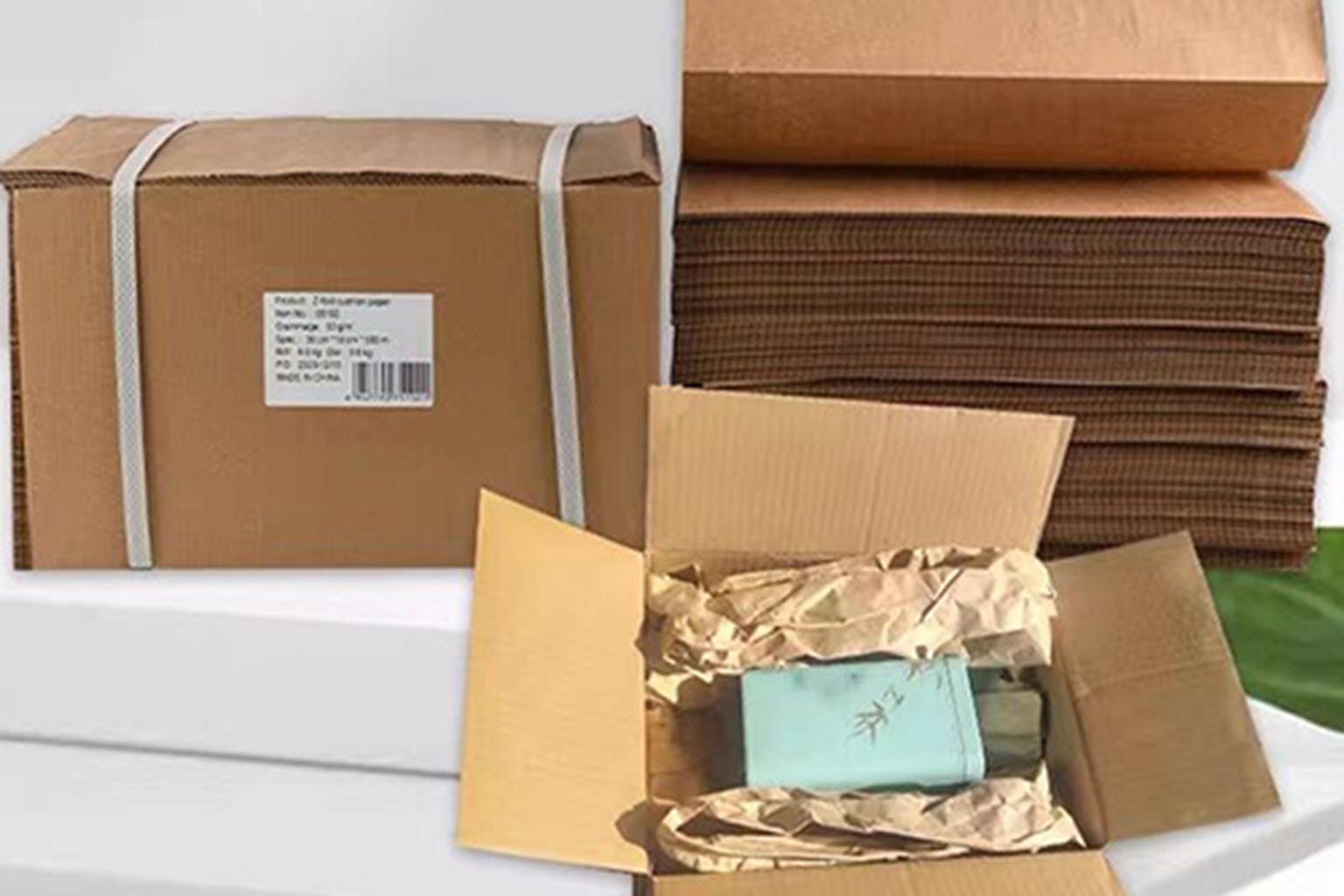
Evaluate the Manufacturer's Industry Experience
Industry experience is an important factor when choosing a professional paper cushion machinery manufacturer. Manufacturers with experience in protective packaging equipment are generally better positioned to understand common production challenges, packaging requirements, and customer expectations.
When evaluating a manufacturer, review its company background, product range, manufacturing capabilities, and experience serving different industries. A manufacturer offering a range of paper cushioning equipment may provide more suitable options for businesses with different packaging volumes and product protection requirements.
It is also useful to review product demonstrations, technical documentation, and customer case studies when available. These materials can help you understand whether the manufacturer’s equipment is suitable for your actual packaging operations.
Check Machine Performance and Production Capacity
Machine performance directly affects packaging efficiency and the ability to meet order deadlines. Before choosing a paper cushion machinery manufacturer, determine whether its equipment can handle your expected daily or monthly packaging volume.
Important specifications include processing speed, paper feeding width, compatible paper thickness, operating modes, and continuous running capability. Businesses with high packaging volumes may require automated equipment that minimizes manual intervention and maintains consistent output.
However, maximum operating speed should not be the only consideration. Actual productivity also depends on paper loading, machine adjustments, operator experience, maintenance requirements, and the time needed to prepare each package.
Ask the manufacturer for detailed specifications and, where possible, a demonstration using the paper materials and operating conditions relevant to your business.
Confirm Paper Compatibility and Cushioning Quality
Paper compatibility is another essential consideration when selecting paper cushion machinery. Different machines may support different paper widths, thicknesses, weights, and paper structures.
Before purchasing equipment, identify the paper materials you plan to use, such as kraft paper or other suitable packaging paper. Confirm that the machine can process these materials reliably and produce cushioning that meets your packaging requirements.
The resulting paper cushion should provide appropriate shock absorption, void filling, or wrapping support for the products being shipped. Fragile goods, electronic components, cosmetics, household products, and other packaged items may require different levels of protection.
A professional manufacturer should clearly explain the machine’s material requirements and limitations. Testing representative paper samples and finished cushioning materials can help verify compatibility before you make a purchasing decision.
Compare Machine Features and Automation Options
Paper cushion machinery is available in different configurations to meet varying production needs. Some businesses require compact equipment for individual packing stations, while larger fulfillment centers may need high-output machines that support continuous packaging operations.
When comparing machines, consider features such as automatic feeding, adjustable operating settings, cutting mechanisms, safety protection, user-friendly controls, and maintenance accessibility. Depending on the equipment design, these features can help simplify operation and improve production consistency.
Automation requirements should reflect your actual workflow. A compact machine may be sufficient for a small business with moderate packaging demand, while a distribution center processing large numbers of orders may benefit from equipment with higher output and more advanced controls.
The goal is to choose machinery that balances productivity, usability, and investment cost rather than paying for features your business does not need.
Assess Customization and Technical Support
Every packaging operation has different requirements. Available floor space, packaging station layout, material specifications, production volume, and integration with existing workflows may influence equipment selection.
A professional paper cushion machinery manufacturer should be able to explain which specifications can be customized and which are fixed by the machine design. Depending on the product range, customization may involve feeding width, control configurations, machine dimensions, or other technical details.
Technical support is equally important. Before placing an order, clarify installation guidance, operating instructions, troubleshooting procedures, spare parts availability, and warranty terms.
Responsive after-sales support can help reduce downtime and keep packaging operations running smoothly. For international buyers, it is also worth confirming the availability of remote technical assistance, English-language documentation, and shipping arrangements for replacement parts.
Review Machine Quality, Safety, and Maintenance Requirements
Reliable equipment should deliver consistent performance throughout its service life. When assessing a manufacturer, ask about its quality control procedures, component sourcing, assembly standards, and equipment testing process.
Machine construction, electrical components, feeding mechanisms, and cutting systems can all influence durability and operational stability. Safety features, emergency stop functions, protective covers, and clear operating instructions are also important considerations.
Maintenance requirements should be evaluated before purchasing. Ask how frequently the machine needs inspection, cleaning, lubrication, or replacement of wear components. A machine with accessible maintenance points and readily available spare parts may be easier to manage over time.
Where applicable, request information about relevant safety standards, conformity documentation, and certifications. Verify that the documentation matches the specific equipment model and the requirements of your destination market.
Compare Total Cost of Ownership Instead of Purchase Price Alone
The initial purchase price is only one part of the overall cost of paper cushion machinery. Businesses should also consider energy consumption, paper usage, labor requirements, maintenance expenses, replacement parts, and potential downtime.
For example, a lower-priced machine may require more manual operation or frequent adjustments, increasing labor costs over time. A more automated machine may involve a higher initial investment but offer better productivity for businesses with consistent packaging demand.
To make a meaningful comparison, estimate the total cost of ownership over the expected service period. Consider how many packages the equipment will support, how much cushioning material is required per package, and how machine performance affects daily output.
The most suitable manufacturer is not necessarily the one offering the lowest price. It is the one providing equipment that meets your operational requirements at an acceptable long-term cost.
Check the Manufacturer's Reputation and Supply Capabilities
A reliable manufacturer should be able to provide clear product information, consistent communication, and realistic delivery commitments. These factors are particularly important for overseas buyers who may need ongoing technical assistance and spare parts after installation.
Review the manufacturer’s business history, product documentation, export experience, and available customer references. Ask about production lead times, packaging for international transportation, payment terms, and procedures for handling equipment problems.
If your business plans to expand its packaging capacity, consider whether the manufacturer offers additional models or equipment configurations that can support future requirements.
Clear communication during the quotation and technical evaluation stages can also indicate how effectively the supplier may handle future service requests.
Conclusion
Choosing a professional paper cushion machinery manufacturer requires a comprehensive evaluation of equipment performance, paper compatibility, production capacity, machine quality, customization options, technical support, and long-term operating costs.
Businesses should begin by defining their packaging volume, product protection requirements, available workspace, and budget. They can then compare manufacturers based on technical specifications, material testing, service capabilities, and overall equipment value.
By focusing on operational suitability rather than purchase price alone, businesses can select paper cushioning equipment that supports consistent packaging quality, improves workflow efficiency, and helps control long-term costs.
FAQs
1. What does a professional paper cushion machinery manufacturer do?
A professional paper cushion machinery manufacturer designs and produces equipment that converts paper into protective cushioning materials for packaging. These machines help businesses fill empty spaces, wrap products, and protect goods from impact during storage and transportation.
2. How do I choose the right paper cushion machinery manufacturer?
Consider the manufacturer’s industry experience, machine performance, paper compatibility, production capacity, quality control, customization options, and after-sales support. Comparing these factors helps you identify a supplier that meets your packaging requirements and long-term operating needs.
3. What factors should I consider when buying paper cushion machinery?
Important factors include production speed, compatible paper types, cushioning quality, automation level, machine dimensions, safety features, maintenance requirements, and total operating costs. Your packaging volume and product protection needs should guide the final selection.
4. What industries use paper cushion packaging machines?
Paper cushion packaging machines are commonly used in e-commerce, warehousing, logistics, electronics, cosmetics, retail, and manufacturing. They produce paper-based protective materials for wrapping products, filling package voids, and reducing movement during shipping.
5. Can paper cushion machinery work with different types of paper?
Compatibility depends on the machine model and its feeding mechanism. Some machines support different paper widths, thicknesses, and weights, while others require specific materials. Buyers should confirm the manufacturer’s specifications and test representative paper samples before purchasing.
6. How can paper cushion machinery improve packaging efficiency?
Paper cushion machinery can streamline the production of protective packaging materials, reduce repetitive manual work, and provide cushioning materials when needed. Depending on the machine’s speed and automation features, it can also help improve workflow consistency and reduce packaging preparation time.


