

Introduction
E-commerce and small businesses face a common packaging challenge: how to protect products during shipping while keeping packaging costs, storage requirements, and waste under control.
Cardboard boxes are widely used throughout the supply chain, but businesses also generate a significant amount of used cardboard from incoming shipments. Instead of sending all of this material directly to recycling or waste collection, a Mini Paper Cardboard Shredder can process suitable cardboard into reusable packaging material.
Compact cardboard shredders are increasingly designed for packing benches, small warehouses, e-commerce workspaces, and fulfillment operations where floor space and packaging volumes may be limited.
What Is a Mini Paper Cardboard Shredder?
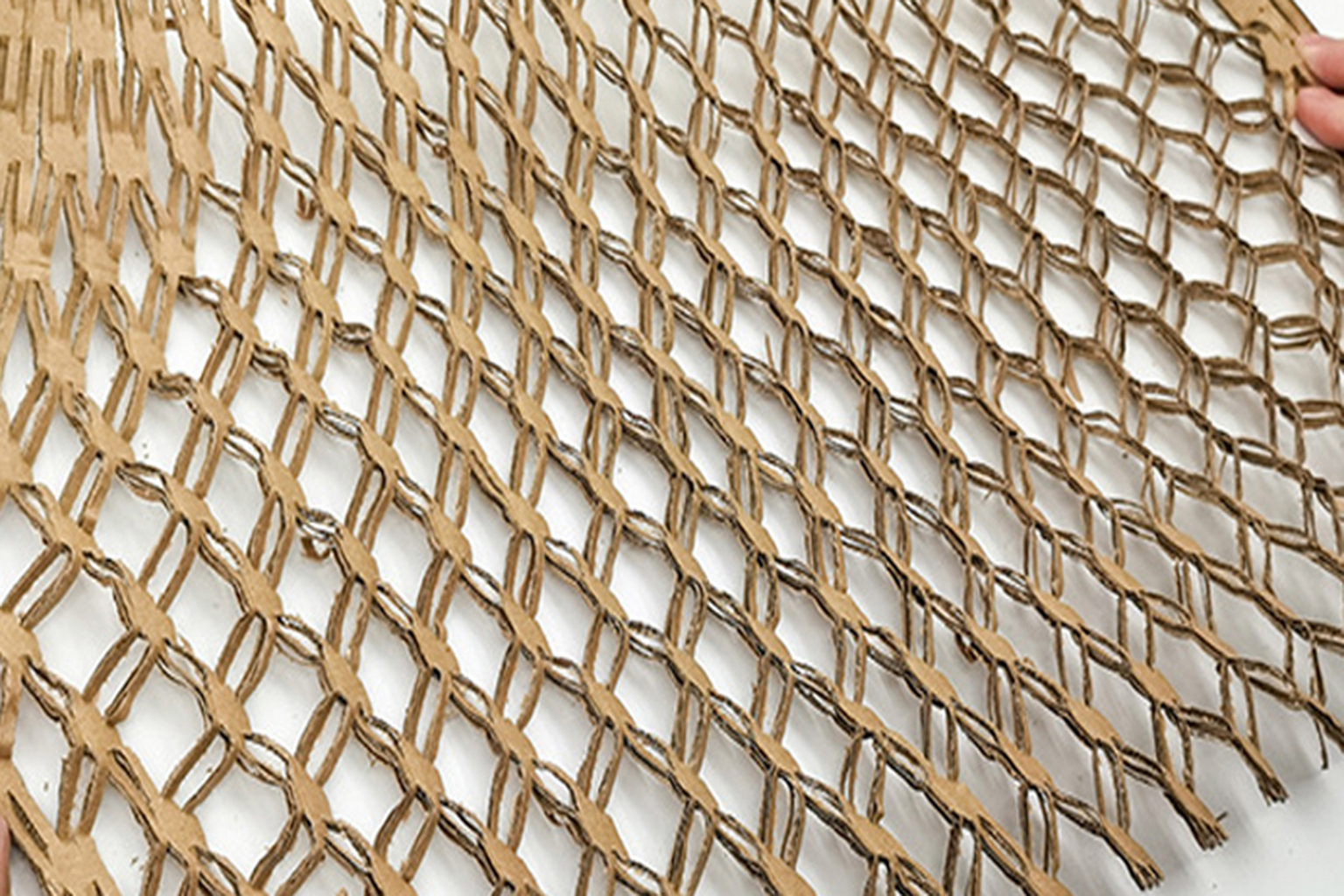
A Mini Paper Cardboard Shredder is a compact machine designed to process waste cardboard into packaging material such as cushioning, void filling, or protective padding.
Unlike a conventional office paper shredder, a cardboard shredder is designed for thicker paper-based packaging materials, particularly corrugated cardboard. Depending on the cutting configuration, the machine can produce strips, perforated material, or expanded cardboard suitable for packaging applications.
The basic workflow is straightforward:
Used Cardboard → Shredding or Perforation → Packaging Material → Product Protection
This allows businesses to reuse cardboard that is already available instead of purchasing all packaging filler separately.
Why Is It Useful for E-Commerce Businesses?
E-commerce businesses often need to pack a wide variety of products in different box sizes. The amount of protective packaging required can therefore vary from one order to another.
A Mini Paper Cardboard Shredder can provide packaging material on demand.
1. Turn Waste Cardboard into Packaging Material
Online sellers commonly receive products, components, or inventory in cardboard cartons. Once unpacked, many of these boxes may still be suitable for further use.
Instead of allowing them to accumulate, businesses can process suitable cardboard into packaging material.
This creates a simple reuse cycle:
Incoming Shipping Boxes → Used Cardboard → Cardboard Shredder → Packaging Filler → Outgoing Orders
Some commercial cardboard recycling machines are specifically designed to process used cartons directly where packaging waste is generated and turn them into cushioning or filling material.
2. Reduce the Cost of Purchased Packaging Filler
Protective packaging materials can become a recurring expense for online sellers.
Depending on the products being shipped, businesses may purchase:
Paper filler
Bubble wrap
Air pillows
Foam products
Paper cushioning
Other protective packaging materials
By reusing suitable cardboard, businesses can potentially reduce their consumption of purchased filler materials.
The actual savings will depend on the amount of cardboard generated, shipping volume, labor costs, and the cost of existing packaging materials.
3. Produce Packaging Material on Demand
One advantage for e-commerce operations is on-demand production.
Instead of storing large quantities of packaging filler, operators can process cardboard when it is needed for an order.
This can be particularly useful for businesses with fluctuating order volumes. A packing operator can prepare the required amount of cushioning material shortly before packing an order.
4. Support More Sustainable Packaging
Many e-commerce businesses are looking for ways to reduce unnecessary packaging waste.
Reusing cardboard can support a more circular packaging workflow by giving existing material another purpose before it enters the recycling or waste stream.
Some compact cardboard shredders are specifically marketed for converting unwanted cartons into reusable packaging material and reducing reliance on other filler products.
Benefits for Small Businesses
A Mini Paper Cardboard Shredder is not only useful for large fulfillment operations. Its compact format can also make it suitable for smaller businesses.
1. Compact Installation
Small businesses may not have a dedicated packaging room or large warehouse.
Compact and desktop-style cardboard shredders can be installed close to packing stations, making them practical where floor space is limited. Current commercial models are available specifically for small packing stations and e-commerce workspaces.
2. Better Use of Limited Storage Space
Cardboard boxes can quickly take up valuable workspace.
Processing suitable cardboard regularly can help reduce the amount of bulky waste stored around the packing area.
At the same time, businesses may be able to reduce the amount of purchased filler that needs to be kept in inventory.
3. Flexible Packaging for Different Products
Small businesses often sell different types of products rather than operating a highly standardized packaging line.
Processed cardboard can be useful for:
Filling empty spaces
Protecting fragile items
Separating products
Wrapping individual items
Supporting products inside cartons
This flexibility can make it easier to handle orders with different packaging requirements.
4. Suitable for Growing Businesses
A small business may begin with relatively low shipping volumes but gradually expand.
A compact cardboard shredder can provide an in-house packaging solution without requiring a large industrial installation.
However, businesses should consider expected future order volumes when selecting machine capacity.
How Does It Work in an E-Commerce Packing Station?
A Mini Paper Cardboard Shredder can be integrated into a relatively simple packing workflow.
Step 1: Collect Used Cardboard
Employees collect suitable cardboard boxes and sheets from incoming shipments.
Step 2: Remove Unsuitable Materials
Tape, plastic, metal components, or other materials should be removed when required by the machine’s specifications.
Step 3: Feed the Cardboard
The cardboard is inserted into the machine’s feeding opening according to the manufacturer’s operating instructions.
Step 4: Process the Cardboard
The machine cuts, perforates, or shreds the cardboard to create the desired packaging material.
Step 5: Collect the Output
The processed material can be collected near the packing station.
Step 6: Use It for Outgoing Orders
The packaging material is then used to fill empty spaces, cushion products, or provide additional protection inside shipping cartons.
This workflow allows waste generation and packaging preparation to become part of the same process.
What Types of E-Commerce Businesses Can Benefit?
Online Retailers
Online retailers shipping consumer products can use processed cardboard for general void filling and product protection.
Handmade and Craft Businesses
Small craft businesses often ship products in relatively small quantities and may benefit from producing packaging material as needed.
Subscription Box Companies
Subscription businesses need to package multiple products in the same shipment. Cardboard cushioning can help fill spaces between products.
Electronics Accessories Sellers
Small electronics accessories may require additional internal protection during shipping. Suitable processed cardboard can be used as part of a broader protective packaging system.
Spare Parts Suppliers
Small mechanical or industrial components can be protected with cardboard filler or cushioning during transportation.
Home-Based Businesses
Businesses operating from home or small workshops can benefit from compact equipment that does not require a large dedicated packaging area.
Mini Paper Cardboard Shredder vs. Buying Packaging Filler
For small businesses, the decision to purchase a cardboard shredder should be based on actual packaging requirements.
| Factor | Mini Paper Cardboard Shredder | Purchased Packaging Filler |
| Material source | Reused cardboard | Purchased separately |
| Production | On demand | Ready to use |
| Storage | Can reduce filler inventory | Requires storage |
| Equipment | Requires machine investment | No processing equipment |
| Waste utilization | Reuses suitable cardboard | Depends on disposal process |
| Flexibility | Can process available cardboard | Depends on available filler types |
| Best suited for | Businesses with regular cardboard waste | Businesses with little reusable cardboard |
Neither solution is automatically better for every company. Businesses should compare their cardboard waste volume, packaging consumption, equipment budget, and labor requirements.
Key Factors When Choosing a Mini Paper Cardboard Shredder
1. Cardboard Thickness
Check the maximum cardboard thickness supported by the machine.
Some compact commercial models are designed for cardboard thicknesses around 8–10 mm, but specifications vary considerably between machines.
2. Feeding Width
Feeding width determines the maximum width of cardboard that can be processed at one time.
Choose a suitable width based on the carton sizes commonly handled by your business.
3. Processing Speed
Consider how quickly the machine can produce packaging material.
For low-volume businesses, extremely high speed may not be necessary. For busy fulfillment stations, higher throughput can help prevent packaging bottlenecks.
4. Output Type
Different machines produce different types of packaging material.
Depending on your requirements, you may want:
Shredded strips
Perforated cardboard
Expanded cardboard
Cushioning mats
Loose filling material
Select the output based on the products you ship and the level of protection required.
5. Machine Dimensions
For small businesses, machine footprint is particularly important.
Measure the available packing area and consider space for:
Cardboard feeding
Output collection
Operator movement
Maintenance
Safe operation
6. Motor and Power Requirements
Check motor power, voltage, operating time, and electrical requirements before installation.
The machine should be compatible with the electrical system at your facility.
7. Safety Features
Important features may include:
Emergency stop
Overload protection
Protective covers
Safety switches
Reverse operation
Motor protection
Operators should always follow the manufacturer’s safety instructions.
8. Maintenance and Supplier Support
Ask the supplier about:
Cleaning procedures
Cutting component maintenance
Replacement parts
Warranty
Technical support
Operating instructions
Good after-sales support can be especially valuable for small businesses that may not have dedicated maintenance personnel.
How to Maximize the Benefits
To get the best results from a Mini Paper Cardboard Shredder, businesses should integrate it into their existing packing workflow.
Keep the Machine Near the Packing Station
Reducing the distance between cardboard processing and packing can save handling time.
Process Cardboard Regularly
Do not allow used boxes to accumulate unnecessarily. Processing suitable material regularly can keep the workspace organized.
Match Output to Product Requirements
Use the appropriate amount and type of cushioning for each product. Sustainable packaging should still provide adequate protection.
Train Employees
Employees should understand how to feed cardboard, operate controls, respond to blockages, and perform basic maintenance.
Monitor Packaging Costs
Track the amount of purchased filler used before and after introducing the machine. This can help determine whether the equipment is delivering the expected economic benefits.
Is a Mini Paper Cardboard Shredder Worth It for a Small Business?
The answer depends on several factors.
A Mini Paper Cardboard Shredder may be a good investment when a business:
Generates cardboard waste regularly
Ships products frequently
Purchases significant amounts of packaging filler
Has limited storage space
Wants to reuse incoming cartons
Needs packaging material on demand
Is interested in reducing packaging waste
For businesses that rarely receive cardboard or ship only a few orders each month, purchasing a machine may provide limited financial benefits.
The best approach is to compare the machine’s total cost with current spending on packaging materials and waste handling.
Conclusion
A Mini Paper Cardboard Shredder for E-Commerce and Small Businesses can provide a practical way to reuse waste cardboard while improving packaging efficiency.
For online retailers, small warehouses, fulfillment operations, and growing businesses, the machine can help transform used cartons into useful packaging material, potentially reduce filler purchases, save storage space, and support more sustainable packaging practices.
Compact cardboard shredders are already available in formats intended for small packing stations, e-commerce workspaces, and low-to-medium-volume operations.
However, choosing the right machine requires careful consideration of cardboard thickness, feeding width, output type, processing speed, machine size, safety, maintenance, and expected packaging volume.
When matched to the right application, a Mini Paper Cardboard Shredder can turn cardboard waste into a valuable packaging resource and help small businesses build a more efficient and sustainable packing process.
FAQ
Is a Mini Paper Cardboard Shredder suitable for e-commerce businesses?
Yes. It can be particularly useful for online businesses that regularly receive cardboard and need cushioning or void-filling material for outgoing shipments.
Can small businesses use a Mini Paper Cardboard Shredder?
Yes. Compact models are designed for smaller packing stations and businesses with limited workspace and moderate packaging volumes.
What can shredded cardboard be used for?
Depending on the machine output, processed cardboard can be used for void filling, cushioning, wrapping, internal separation, and other protective packaging applications.
Can a cardboard shredder reduce packaging costs?
It can potentially reduce the purchase of certain packaging fillers by allowing businesses to reuse suitable waste cardboard. Actual savings depend on cardboard availability, shipping volume, labor, and current packaging costs.
Does a Mini Paper Cardboard Shredder require a lot of space?
Not necessarily. Compact and desktop models are available for small packing areas, although the required installation space varies by machine.
What cardboard can be processed?
The acceptable cardboard type and thickness depend on the specific machine. Many models are designed for corrugated cardboard, but businesses should always check the manufacturer’s specifications before feeding material into the machine.
How do I choose the right Mini Paper Cardboard Shredder?
Consider your cardboard volume, cardboard thickness, feeding width, processing speed, desired output, machine footprint, power requirements, safety features, maintenance, and supplier support.


