

Introduction
Choosing the right tool for your protective packaging is a critical decision that impacts your operation’s efficiency, cost, and ergonomics. For businesses using innovative honeycomb paper wrap, the choice between a manual dispenser and an automatic honeycomb paper machine often comes down to one key factor: your daily packing volume. This guide will break down the differences to help you make an informed investment that aligns perfectly with your workflow and growth goals.
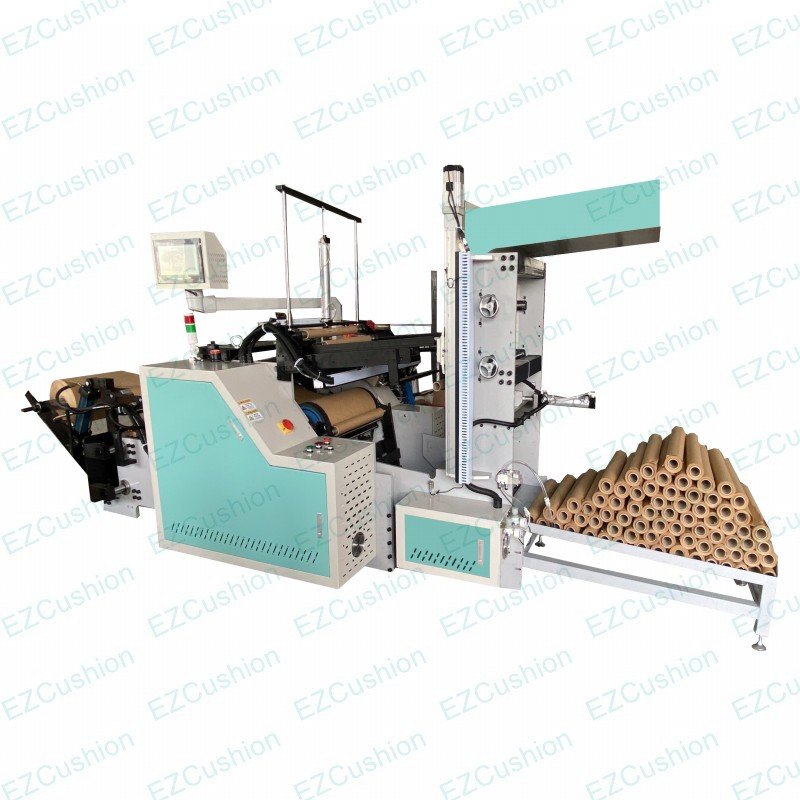
The Core Differences: A Side-by-Side Comparison
The best choice for your business hinges on understanding how each type of machine performs across several operational dimensions. The following table provides a clear, at-a-glance comparison.
| Feature | Manual Honeycomb Paper Dispenser | automatic Honeycomb Paper Machine |
|---|---|---|
| Operation | Hand-cranked; requires operator effort to cut. | Motor-driven; automatic cutting with push-button or foot pedal. |
| Speed & Output | Lower output (Ideal for < 50 packages/day). | High-speed output (Efficient for 50-500+ packages/day). |
| Initial Investment | Lower upfront cost. | Higher initial investment. |
| Labor Intensity | Higher physical effort; can lead to operator fatigue. | Minimal physical effort; reduces worker strain. |
| Consistency & Waste | Cut length depends on operator consistency; potential for more waste. | Programmable, precise cut lengths; minimizes material waste. |
| Best For | Startups, low-volume shippers, seasonal businesses, supplemental packing stations. | Medium to high-volume operations, e-commerce fulfillment, warehouses, growing businesses. |
Analyzing Operational Efficiency and Output
The most significant difference lies in speed and throughput. A manual dispenser is operated by a hand crank, which limits the speed at which an operator can prepare sheets or wrap products. It is perfectly adequate for businesses packing a few dozen orders per day. In contrast, an electric honeycomb paper machine automates the dispensing and cutting process. With the simple press of a button or foot pedal, it delivers uniform sheets at a consistent, rapid pace. This automation directly translates to the ability to handle significantly higher order volumes without creating bottlenecks, making it essential for growing e-commerce businesses or dedicated shipping departments.
Considering the Total Cost of Ownership
While the initial purchase price of a manual dispenser is attractive for businesses on a tight budget, it’s crucial to consider long-term value. The higher productivity of an electric model reduces labor costs per package and can quickly justify its higher upfront cost for busy operations. Furthermore, electric machines often feature programmable cut lengths, which drastically reduce material waste compared to the variable lengths produced by manual cranking. This precision not only saves money on packaging material over time but also ensures every product is protected with the exact amount needed, enhancing consistency.
Evaluating Ergonomics and Labor Impact
Operator comfort is a key factor in sustainable productivity. Using a manual dispenser for extended periods can lead to physical fatigue and strain, especially on the wrist and shoulder. This can affect morale and consistency over a full shift. An electric dispenser eliminates repetitive motion injuries by performing the hard work. This ergonomic advantage leads to a happier, less fatigued workforce that can maintain a high pace of work with greater accuracy, reducing the risk of errors and rework.
Matching the Machine to Your Business Profile
Your daily and seasonal packing patterns should guide your choice. A manual dispenser is an excellent, low-risk tool for startups, businesses with very low or sporadic order volumes, or as a backup station in a larger facility. Conversely, if your business is scaling, you operate an e-commerce store with steady daily orders, or you run a centralized packing warehouse, investing in an electric honeycomb paper machine is a strategic move. It future-proofs your operations, allowing you to scale up throughput without needing to add proportional labor, thereby improving your margins as you grow.
FAQ
Q1: Can I upgrade a manual dispenser to electric later?
No, manual and electric dispensers are distinct systems. It is more cost-effective to choose the right machine for your projected volume from the start.
Q2: Are electric honeycomb paper machines difficult to maintain?
No. Modern electric models from reputable suppliers like EzCushion are designed for simple operation and require only basic cleaning and occasional blade changes, similar to a manual machine.
Q3: What’s the typical payback period for an electric machine?
The payback period varies but is often between 6-18 months for medium-volume businesses, achieved through saved labor hours and reduced material waste.
Q4: Is honeycomb paper from an electric dispenser more effective?
The protective material is identical. The advantage lies in the consistent, precise application from an electric machine, which ensures optimal protection and eliminates wasteful over-packing.
Q5: Can one electric machine serve multiple packing stations?
Typically, one machine supplies one primary station due to the need for power and setup. For multiple high-volume stations, dedicated machines are recommended for maximum efficiency.
Conclusion
The choice between manual and electric is a choice between sufficiency for today and readiness for tomorrow. For low-volume, cost-sensitive operations, a manual dispenser offers a practical entry point. However, for any business serious about efficiency, growth, and operator well-being, an electric honeycomb paper machine delivers superior speed, consistency, and long-term ROI.
Ready to streamline your packaging line and boost productivity? Explore our range of reliable, high-performance electric honeycomb paper machines at EzCushion Machinery. Our solutions are engineered to grow with your business. Visit Our Web today to find the perfect match for your packing volume and take the first step toward a faster, smarter packaging process.


