

Introduction
Choosing a mini paper shredding machine requires more than comparing machine size and purchase price. For e-commerce companies, retailers, fulfillment centers, gift packaging businesses, and other packaging operations, the right equipment should provide reliable paper processing, consistent output, convenient operation, and suitable production capacity.
As demand for paper-based packaging materials continues to grow, businesses are increasingly looking for compact equipment that can produce shredded or protective paper material close to the packing workstation. However, different machines can vary significantly in feeding systems, cutting mechanisms, output capacity, controls, safety features, and maintenance requirements.
Understanding the key features of a mini paper shredding machine can help buyers evaluate different models and select equipment that matches their packaging workflow.
Compact Machine Design
A compact footprint is one of the most important features of a mini paper shredding machine. Small packaging operations may have limited floor space, particularly when the machine needs to be installed close to packing tables or shipping areas.
A well-designed compact machine should provide efficient paper processing without requiring a large dedicated installation area. Buyers should consider the overall machine dimensions as well as the space needed for paper feeding, output collection, operation, and maintenance.
The machine’s size should ultimately fit the available workspace without making material handling difficult.
Suitable Paper Processing Capacity
Processing capacity is a key specification for any paper shredding machine. Businesses should select a machine that can handle their expected packaging workload without creating unnecessary equipment costs or unused capacity.
Capacity can be influenced by paper type, paper thickness, feeding method, machine speed, and operating conditions. Instead of looking only at the highest advertised output, buyers should consider the expected daily or hourly requirement of their packaging operation.
For small businesses, a machine with moderate and stable output may be more practical than a larger model designed for high-volume industrial production.
Flexible Paper Feeding System
The feeding system directly affects how easily paper can be introduced into the machine. Depending on the design, a mini paper shredding machine may support sheet feeding, roll feeding, or another material input method.
Businesses should choose a feeding system that matches the paper materials they already use. A suitable feeding method can reduce unnecessary preparation work and make the machine easier to integrate into the existing packaging workflow.
Consistent feeding is also important for maintaining stable processing performance and avoiding unnecessary interruptions.
Adjustable Cutting or Shredding Performance
The cutting mechanism determines the characteristics of the finished paper material. Different packaging applications may require different paper sizes, strip widths, or output structures.
When evaluating a machine, buyers should check the available cutting configuration and determine whether it can produce material suitable for their intended application. Void filling, cushioning, wrapping, and decorative packaging may have different material requirements.
If a business uses several packaging formats, a machine with greater processing flexibility may provide additional value.
Consistent Output Quality
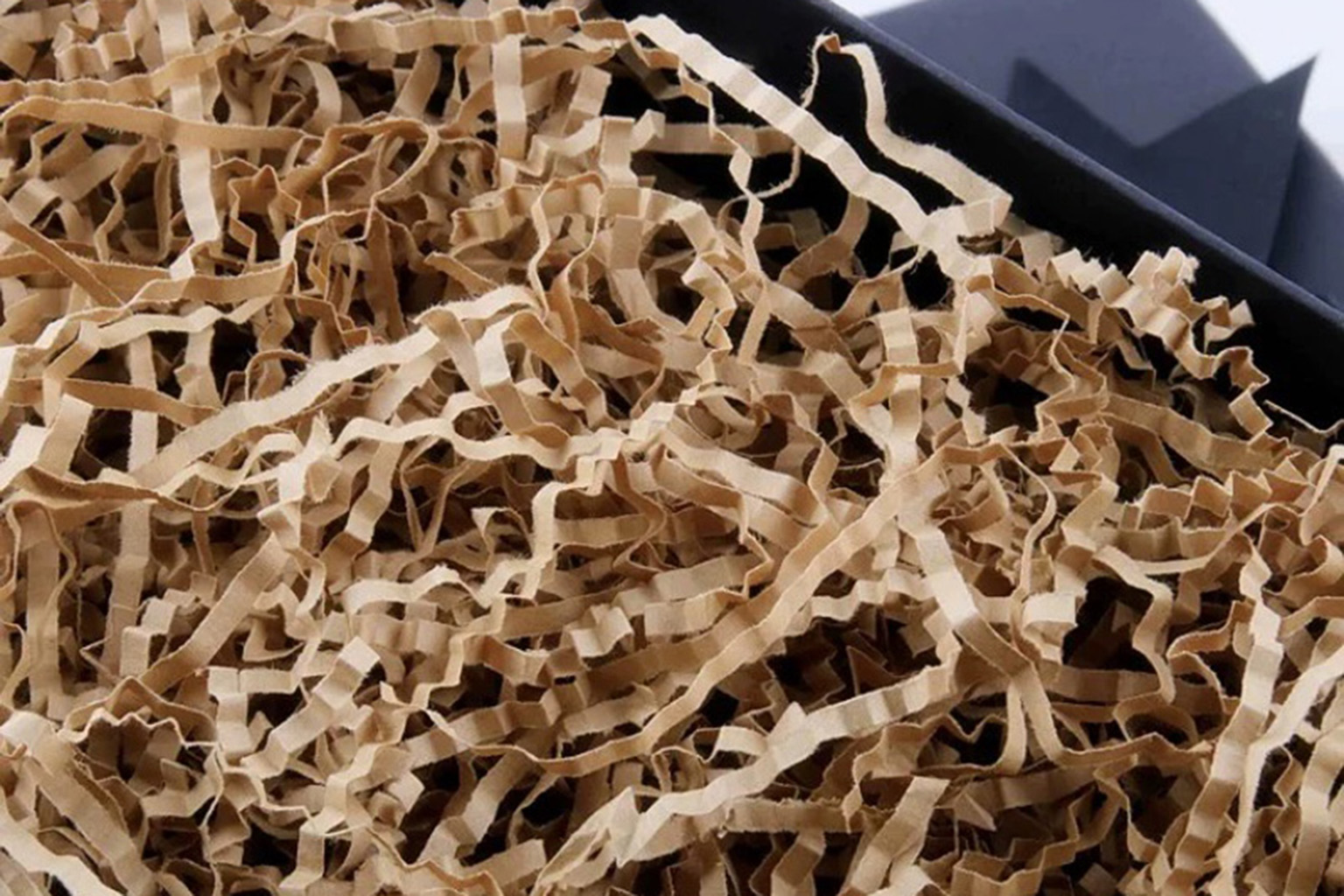
Consistent output is particularly important for businesses that use shredded paper as part of a standardized packaging process. Irregular material can affect how efficiently it fills empty spaces or protects products.
A well-designed machine should provide stable feeding and cutting performance under normal operating conditions. Buyers can request samples of the finished material or conduct machine testing with their own paper before making a purchasing decision.
Testing can help confirm whether the machine produces the required output for the company’s specific packaging applications.
Easy-to-Use Control System
A simple control system can make a mini paper shredding machine easier for employees to operate. Packaging workers may need to perform several tasks simultaneously, so complicated controls can create unnecessary learning requirements.
Useful controls may include straightforward start and stop functions, speed adjustments where applicable, and clearly arranged operating controls.
The exact control configuration will depend on the machine model, but ease of operation should be considered when comparing equipment for regular workplace use.
Reliable Safety Features
Safety should be an important consideration when selecting any machine with moving and cutting components. A mini paper shredding machine should incorporate appropriate protective measures to reduce operational risks.
Depending on the design, safety features may include protective covers, emergency stop functions, electrical protection, and safeguards around moving components.
Buyers should review the manufacturer’s safety specifications and operating instructions before purchasing equipment. Operators should also receive appropriate training and follow recommended procedures.
Low Maintenance Requirements
Maintenance requirements can influence the long-term cost and convenience of operating a mini paper shredding machine. Equipment that is easy to clean, inspect, and maintain can help reduce unnecessary downtime.
Paper dust and small particles may accumulate during regular operation, making routine cleaning important. Cutting components, feeding areas, and other critical parts should be inspected according to the manufacturer’s recommendations.
Before purchasing, businesses should ask about maintenance intervals, replacement components, and the expected service requirements of the machine.
Durable Cutting Components
The cutting mechanism is one of the most important working parts of a paper shredding machine. Its durability can influence processing consistency, maintenance frequency, and equipment service life.
Buyers should consider the materials and construction of cutting components as well as the machine’s recommended paper range. Processing paper that exceeds the specified thickness or material limitations can increase wear and affect performance.
A manufacturer should be able to provide information about the cutting system and recommended operating conditions.
Energy Efficiency
Energy consumption is another factor worth considering, particularly for businesses that operate the machine frequently. A compact machine with appropriate power requirements can be easier to integrate into an existing packaging facility.
However, energy consumption should be evaluated together with actual production capacity. A machine with low power consumption but insufficient output may not provide the desired operational efficiency.
Comparing power requirements, expected operating hours, and production output can provide a more complete picture of operating costs.
Convenient Material Collection
The way finished paper material exits and is collected can affect packaging workflow. A machine that allows processed material to be collected or used conveniently can reduce additional handling.
For workstation-based packaging, the output should ideally be easy for operators to access without interrupting the packing process. Businesses should consider the position of the output area, collection method, and available storage space when evaluating a machine.
Manufacturer Support and Spare Parts
The quality of the machine is important, but manufacturer support also matters for long-term operation. Buyers should evaluate whether the manufacturer provides technical assistance, operating instructions, spare parts, and after-sales service.
If a cutting component or electrical part eventually requires replacement, readily available spare parts can help minimize downtime.
For businesses purchasing equipment for continuous packaging operations, it is useful to clarify warranty coverage, maintenance support, spare parts availability, and service procedures before placing an order.
How to Compare Different Mini Paper Shredding Machines
When comparing different models, businesses should avoid focusing on a single specification. A machine with a higher maximum speed is not necessarily the most suitable choice if its paper compatibility, output format, footprint, or feeding method does not match the application.
A practical comparison should consider paper compatibility, processing capacity, feeding system, output quality, machine dimensions, control system, safety features, maintenance requirements, energy consumption, and manufacturer support.
It can also be useful to provide the manufacturer with information about the paper being processed and the intended packaging application. This allows the supplier to recommend a configuration based on actual operating conditions.
Conclusion
The key features of a mini paper shredding machine should be evaluated according to the specific needs of the packaging operation. Compact design, suitable processing capacity, reliable feeding, consistent output, convenient controls, safety features, durable components, easy maintenance, and manufacturer support can all influence the machine’s long-term value.
For businesses producing paper-based packaging materials on demand, selecting equipment that fits the existing workflow can improve convenience and operational efficiency. Rather than choosing a machine based solely on price or advertised speed, buyers should compare its complete specifications and confirm compatibility with their paper materials and packaging requirements.
A careful evaluation before purchase can help businesses select a mini paper shredding machine that provides reliable performance and supports their packaging operations over the long term.
FAQ
1. What are the key features of a mini paper shredding machine?
Important features include compact design, suitable processing capacity, reliable paper feeding, consistent shredding performance, easy-to-use controls, safety protection, durable cutting components, convenient maintenance, and reliable manufacturer support.
2. How do I choose the right capacity for a mini paper shredding machine?
Choose the capacity based on your actual paper consumption and packaging volume. Consider the amount of packaging material needed per hour or per day rather than relying only on the machine’s maximum advertised output.
3. What type of feeding system should a mini paper shredding machine have?
The feeding system should match the type of paper your business uses. Sheet feeding may be suitable for individual paper sheets, while roll feeding can be more convenient for businesses that use paper supplied in rolls.
4. Why is consistent output important for a paper shredding machine?
Consistent output helps ensure that shredded paper has a relatively uniform structure and can be used more effectively for void filling, cushioning, wrapping, or other packaging applications.
5. Can the cutting size of a mini paper shredding machine be adjusted?
This depends on the specific machine design. Some models may offer different cutting configurations or adjustment options, while others are designed for a fixed output. Buyers should confirm the available options with the manufacturer.


