

Introduction
As businesses and consumers become increasingly concerned about packaging waste, sustainable packaging has become an important part of modern supply chains. E-commerce, logistics, retail, and manufacturing companies are looking for packaging solutions that can protect products effectively while reducing their environmental impact.
A Paper Cushion Machine provides a practical solution by converting paper materials into protective cushioning for packaging applications. Compared with manually preparing paper cushioning, an automated machine can improve production efficiency, provide more consistent output, and reduce repetitive labor. It can also support businesses in replacing or reducing their dependence on certain plastic-based protective packaging materials.
For companies seeking a more efficient and environmentally conscious packaging process, investing in a Paper Cushion Machine can offer several important benefits.
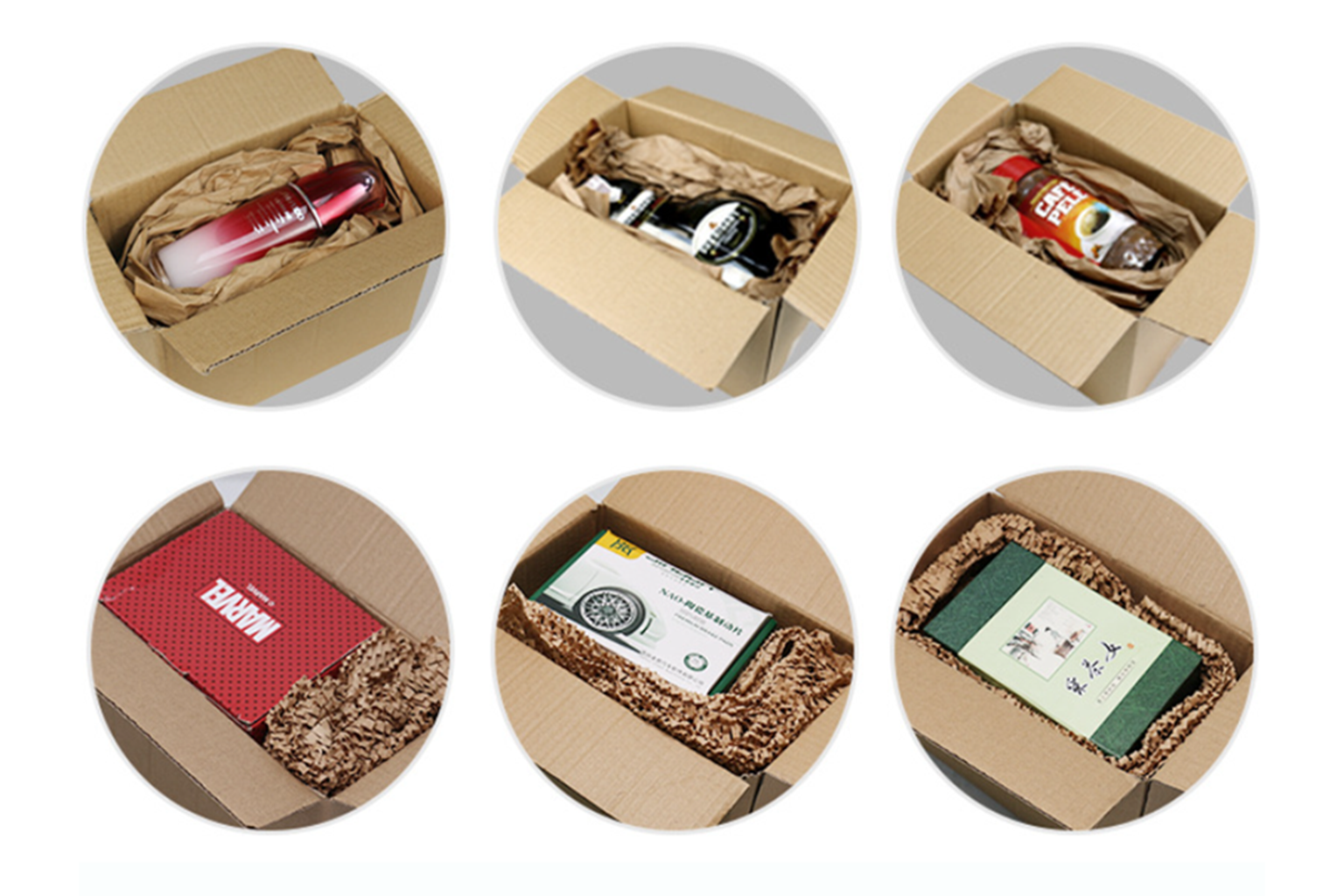
What Is a Paper Cushion Machine?
A Paper Cushion Machine is packaging equipment designed to process paper into protective cushioning material. The generated paper cushion can be placed around products or inside cartons to reduce movement and provide protection during handling and transportation.
The machine automates the cushioning production process, allowing packaging teams to create protective material when it is needed instead of manually preparing paper cushioning in advance.
Depending on the machine configuration and paper material, the equipment can be integrated into different packaging environments, including e-commerce fulfillment centers, warehouses, retail operations, and industrial packaging lines.
Supports More Sustainable Packaging
One of the key advantages of a Paper Cushion Machine is its contribution to more sustainable packaging operations. Paper-based cushioning can provide an alternative to some plastic protective materials, helping businesses reduce their reliance on plastic packaging.
For companies with sustainability targets, incorporating paper cushioning into the packaging process can support efforts to use more paper-based protective materials and improve the overall environmental profile of their packaging.
However, sustainability depends on factors such as the source of the paper, material consumption, recycling infrastructure, transportation, and the complete packaging process. Businesses should therefore evaluate the entire packaging lifecycle rather than focusing on one material alone.
Reduces Plastic Protective Packaging
Traditional protective packaging can include plastic films, air pillows, and other synthetic cushioning materials. While these materials can provide effective product protection, businesses are increasingly looking for alternatives that better align with changing customer expectations and sustainability goals.
A Paper Cushion Machine allows companies to produce paper-based cushioning directly at the packing station. This can help reduce the need for certain plastic cushioning materials, particularly for products that can be adequately protected using paper.
For brands that actively promote sustainable packaging, using paper cushioning can also help create a more consistent packaging strategy across different product lines.
Improves Packaging Efficiency
Sustainable packaging does not necessarily mean sacrificing productivity. A Paper Cushion Machine can automate the production of protective cushioning, allowing packaging workers to produce material quickly when required.
Instead of manually crumpling, cutting, or preparing paper, operators can use machine-generated cushioning as part of the normal packing workflow. This can reduce repetitive tasks and help packing teams maintain a more consistent working rhythm.
For high-volume fulfillment operations, improved packaging efficiency can be especially valuable because even small time savings per package can have a significant impact across thousands of orders.
Reduces Repetitive Manual Labor
Manual preparation of paper cushioning can require workers to repeatedly perform the same actions throughout the day. This can consume valuable labor hours and reduce overall packing efficiency.
A Paper Cushion Machine automates the main paper processing and cushioning-forming process. Operators can focus on placing products into cartons, checking product quality, arranging packages, and completing other fulfillment tasks.
Reducing repetitive manual work can help businesses optimize workforce allocation and make packaging operations more efficient, particularly during periods of high demand.
Provides Consistent Cushioning Output
Another benefit of using a Paper Cushion Machine is consistent cushioning production. Manual paper preparation can result in variations in the size, density, and shape of cushioning material depending on the operator and packing method.
Machine-produced cushioning can provide a more standardized output when the equipment is properly adjusted and operated with compatible paper materials.
Consistent cushioning can make the packaging process more predictable and help ensure that products receive appropriate protection during transportation.
Helps Improve Material Utilization
Efficient use of packaging materials is an important part of sustainable packaging. Excessive packaging can increase material consumption, while insufficient cushioning may expose products to damage.
A Paper Cushion Machine can help businesses produce cushioning material according to actual packaging requirements. Instead of preparing large quantities of protective material in advance, operators can create cushioning as needed during the packing process.
Better control over material usage can help reduce unnecessary waste and contribute to more efficient packaging operations.
Reduces Packaging Waste
Packaging waste is a major concern for businesses that ship large numbers of products. Over-packaging can increase the amount of material used for each order, while inefficient packaging processes can create additional waste.
Paper cushioning can help businesses optimize the amount of protective material used inside a carton. When the appropriate amount of cushioning is produced for each package, companies can potentially reduce unnecessary packaging material.
Paper-based cushioning may also be easier to incorporate into existing paper recycling streams, depending on the material composition and local recycling infrastructure.
Supports E-Commerce and Fulfillment Operations
E-commerce businesses often need to package a wide variety of products quickly and efficiently. Product sizes, order quantities, and shipping requirements can vary from one order to another.
A Paper Cushion Machine can be particularly useful in these environments because cushioning can be produced on demand at individual packing stations. This reduces the need to store large volumes of pre-made protective materials.
For fulfillment centers handling high order volumes, on-demand cushioning production can help improve workspace organization while supporting faster packaging operations.
Saves Storage Space
Pre-made protective packaging materials can take up considerable warehouse space. Businesses may need to store different sizes or types of cushioning depending on their product range.
A Paper Cushion Machine changes this approach by producing protective paper cushioning when it is needed. Instead of storing large quantities of finished cushioning material, companies can primarily store the paper raw material used by the machine.
This can help make better use of warehouse and packing-station space, especially for businesses operating in facilities where storage capacity is limited.
Can Help Lower Long-Term Packaging Costs
The initial investment in a Paper Cushion Machine is an important consideration, but businesses should also evaluate potential long-term operating benefits.
Automated cushioning production can reduce repetitive labor, improve packaging efficiency, optimize material usage, and reduce the need to store large quantities of pre-made cushioning. These factors may contribute to lower packaging costs over time.
The actual cost savings will depend on packaging volume, labor costs, paper prices, machine utilization, maintenance requirements, and the type of protective packaging being replaced.
Enhances the Customer Packaging Experience
Sustainable packaging can also influence how customers perceive a brand. Consumers are increasingly exposed to packaging choices and may pay attention to excessive plastic, unnecessary packaging, and the overall environmental approach of a company.
Using paper cushioning can create a cleaner and more environmentally conscious packaging experience when it is appropriately designed and communicated.
For e-commerce brands, sustainable packaging can therefore become more than a material choice. It can form part of the company’s broader brand positioning and customer experience strategy.
Suitable for Different Packaging Applications
Paper Cushion Machines can be used across a wide range of packaging applications. E-commerce products, consumer goods, electronics, cosmetics, household items, ceramics, and other products may require protective cushioning during transportation.
The appropriate cushioning structure and amount will depend on product weight, shape, fragility, shipping conditions, and carton design.
Before selecting a machine, businesses should test the cushioning material with their actual products to determine whether it provides sufficient protection for their specific packaging requirements.
How to Choose the Right Paper Cushion Machine
Businesses should consider several factors when selecting a Paper Cushion Machine. Production volume is one of the most important considerations because high-volume operations may require higher-speed equipment and continuous production capabilities.
Paper compatibility should also be evaluated carefully. Check the recommended paper width, thickness, weight, and material specifications to ensure stable feeding and consistent cushioning output.
Other important factors include machine dimensions, automation level, control system, maintenance requirements, energy consumption, safety features, spare-parts availability, and technical support.
The best machine is not necessarily the fastest or cheapest model. Instead, businesses should choose equipment that provides a suitable balance between production efficiency, cushioning quality, sustainability, reliability, and total operating cost.
Conclusion
A Paper Cushion Machine can provide significant benefits for businesses seeking more efficient and sustainable packaging solutions. By producing paper cushioning on demand, the machine can support reduced plastic use, better material utilization, lower repetitive labor, improved packaging efficiency, and reduced storage requirements.
For e-commerce companies, fulfillment centers, manufacturers, and other businesses handling large packaging volumes, automated paper cushioning production can become an important part of a modern packaging strategy.
However, sustainable packaging requires a complete approach. Businesses should consider paper sourcing, material consumption, product protection, recycling options, transportation, and overall operating efficiency when evaluating their packaging system. By selecting the right Paper Cushion Machine and using it effectively, companies can move toward a more efficient and responsible packaging process while maintaining reliable product protection.
FAQ
What is a Paper Cushion Machine?
A Paper Cushion Machine is packaging equipment that converts paper into protective cushioning material. It helps businesses produce cushioning on demand for protecting products during storage, handling, and transportation.
What are the benefits of using a Paper Cushion Machine?
A Paper Cushion Machine can improve packaging efficiency, reduce repetitive manual labor, optimize paper usage, reduce storage requirements, and support more sustainable packaging by providing a paper-based alternative to certain plastic cushioning materials.
Is a Paper Cushion Machine environmentally friendly?
It can support more sustainable packaging by using paper-based cushioning and potentially reducing reliance on certain plastic protective materials. However, overall environmental impact also depends on paper sourcing, material consumption, recycling systems, and transportation.
Can a Paper Cushion Machine reduce plastic packaging?
Yes. Paper cushioning can replace or reduce the use of certain plastic protective packaging materials, such as plastic-based cushioning, depending on the product and required level of protection.
How does a Paper Cushion Machine improve packaging efficiency?
The machine produces protective paper cushioning on demand, reducing the need for manual preparation. This can help packaging teams work faster, maintain consistent cushioning output, and handle higher order volumes more efficiently.
Can a Paper Cushion Machine reduce packaging waste?
It can help optimize material usage by producing cushioning according to actual packaging requirements. Using the appropriate amount of paper cushioning can reduce unnecessary packaging material and improve overall material efficiency.
Is a Paper Cushion Machine suitable for e-commerce packaging?
Yes. It is particularly useful for e-commerce and fulfillment operations because paper cushioning can be produced directly at packing stations. This supports different product sizes while reducing the need to store large quantities of pre-made cushioning.
What types of products can use paper cushioning?
Paper cushioning can be used for products such as electronics, cosmetics, household goods, ceramics, consumer products, and other items that require protection against movement and impact during transportation.
Does a Paper Cushion Machine save storage space?
Yes. Instead of storing large quantities of pre-made cushioning, businesses can store paper raw materials and produce cushioning when needed. This can help reduce the space required for finished protective packaging.
How do I choose the right Paper Cushion Machine?
Consider production volume, paper compatibility, cushioning requirements, machine speed, automation level, machine size, maintenance, energy consumption, spare-parts availability, and supplier technical support before making a purchasing decision.


