

Introduction
Cardboard waste is generated every day by e-commerce businesses, warehouses, logistics companies, retailers, manufacturers, and packaging operations. Shipping boxes and corrugated cartons can quickly accumulate, taking up valuable storage space and increasing waste handling and disposal costs.
Instead of sending all used cardboard directly to recycling or waste collection, businesses can process suitable cardboard into reusable packaging material. A Heavy Duty Paper Cardboard Shredder can help break down bulky cardboard into smaller, more manageable material that can potentially be reused for cushioning, void filling, product separation, and other protective packaging applications.
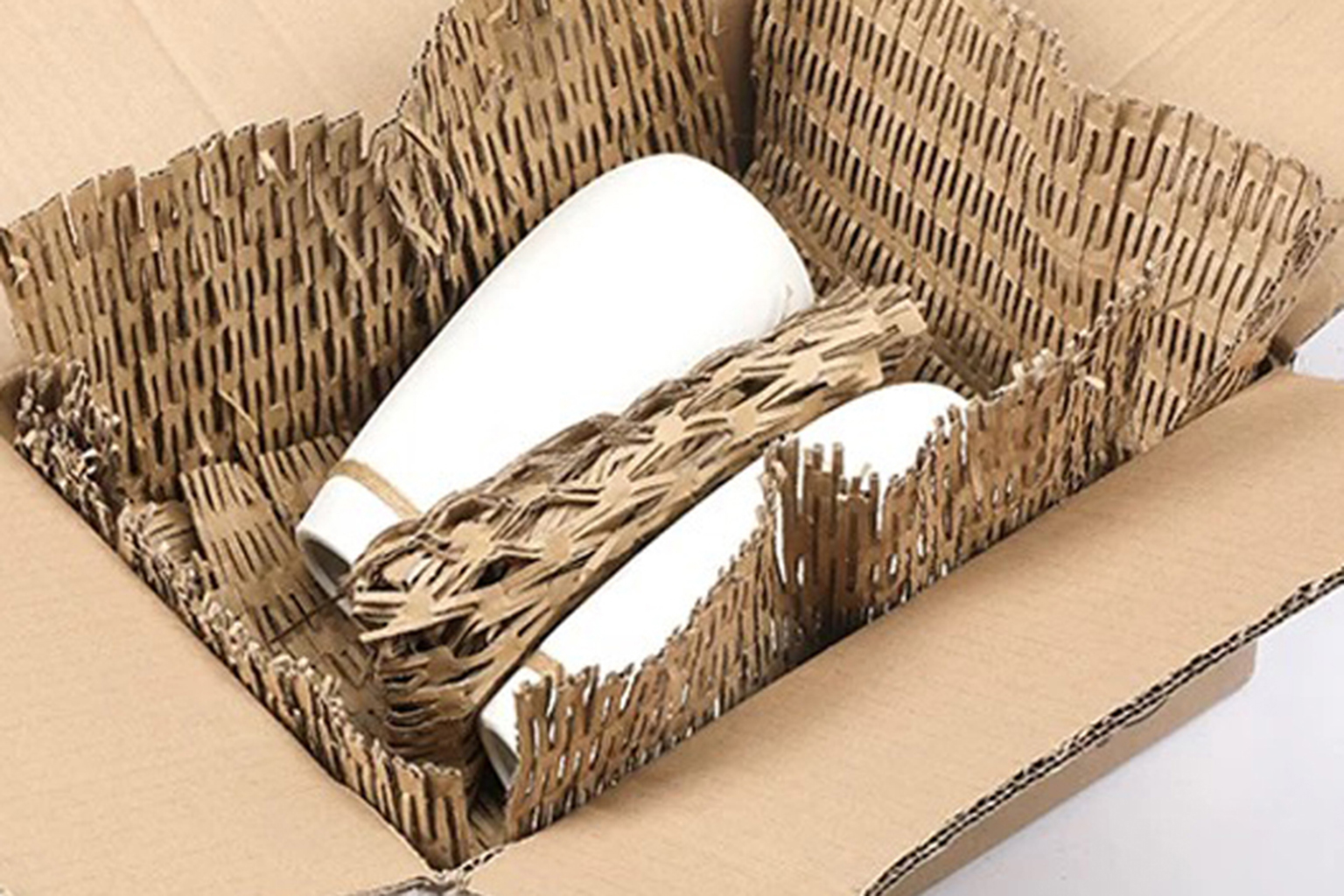
Why Turn Waste Cardboard into Packaging Material?
Cardboard that has completed its original shipping purpose does not necessarily have to become immediate waste. Many businesses already have a steady supply of used cartons from incoming shipments, making waste cardboard a potentially useful internal resource.
By processing suitable cardboard, businesses can reduce the volume of bulky waste and make the material easier to store and handle. At the same time, processed cardboard may be reused in outgoing shipments as packaging filler or cushioning material. This can help reduce dependence on some purchased packaging materials while improving overall material utilization.
The actual benefits depend on cardboard quality, processing capacity, labor requirements, and the type of packaging application.
Step 1: Collect Suitable Waste Cardboard
The process begins with collecting cardboard from daily business operations. Common sources include incoming shipping boxes, warehouse cartons, e-commerce packaging, retail packaging, and manufacturing materials.
Not every piece of cardboard should automatically enter the shredding process. Cardboard should be checked for contamination and incompatible materials before processing. Plastic packaging, metal components, excessive tape, staples, and other unsuitable materials may need to be removed according to the machine manufacturer’s requirements.
Keeping the feed material relatively clean and suitable can help reduce blockages and unnecessary wear on the shredding equipment.
Step 2: Sort and Prepare the Cardboard
Once cardboard has been collected, it should be sorted according to its type and condition. Businesses may handle single-wall corrugated cardboard, double-wall cardboard, cardboard sheets, paperboard, and shipping cartons with different thicknesses and structures.
The preparation process depends on the design of the shredding machine. Some machines may allow larger cardboard pieces to be fed directly, while others may require boxes to be flattened or divided before processing.
Before using a Heavy Duty Paper Cardboard Shredder, businesses should check the manufacturer’s specifications for material type, maximum thickness, feed dimensions, moisture conditions, and other operating requirements.
Step 3: Feed the Cardboard into the Shredder
After preparation, suitable cardboard is fed into the machine through the feed opening. The machine’s motor and drive system provide the power needed to operate the cutting mechanism.
As the cardboard enters the cutting area, mechanical components process the material and reduce its original size. Depending on the machine configuration, the resulting output may consist of shredded pieces, strips, perforated material, or another form of processed cardboard.
For high-volume operations, a Heavy Duty Paper Cardboard Shredder can be particularly useful because it is designed for more demanding workloads. However, the machine should always be operated within its specified capacity and recommended operating conditions.
Step 4: Turn Cardboard into Reusable Packaging Material
The purpose of processing waste cardboard is not simply to make it smaller. For businesses that want to reuse the material, the output should match the requirements of the intended packaging application.
Processed cardboard may be used as void filling to occupy empty spaces inside shipping cartons and reduce product movement during transportation. Depending on the output structure, it can also provide cushioning around products or help separate multiple items inside a box.
The appropriate application depends on the output produced by the machine. Therefore, businesses should consider the required material structure before selecting a cardboard shredding system.
Step 5: Collect and Store the Processed Material
After shredding, the processed cardboard should be collected and stored in a suitable location. A clean and dry storage environment can help maintain the condition of the material until it is needed for packaging.
For small operations, a simple collection container may be sufficient. High-volume warehouses and fulfillment centers may require a larger collection or storage system that can keep pace with the shredder’s output.
The storage area should also be positioned conveniently near the packaging operation. This can reduce unnecessary movement of material and make the reuse process easier to integrate into daily workflows.
Step 6: Integrate Reusable Cardboard into Packaging
The biggest advantage of this process comes from connecting cardboard processing with the company’s existing packaging workflow.
For example, a warehouse can collect suitable cardboard from incoming shipments, process it with a cardboard shredder, and then use the resulting material when preparing outgoing orders. This creates a simple internal material cycle:
Incoming Cardboard → Collection → Processing → Storage → Packaging Reuse
Instead of purchasing packaging filler separately while simultaneously paying to dispose of used cardboard, businesses can potentially make better use of the material already available on site.
What Types of Businesses Can Reuse Waste Cardboard?
Waste cardboard reuse can be particularly practical for businesses that regularly receive packaged goods and also ship products to customers.
E-commerce companies can generate large quantities of cardboard through supplier deliveries while constantly requiring protective packaging for outgoing orders. Warehouses and distribution centers can similarly process suitable cartons generated during daily inventory handling.
Retailers and manufacturers can also reuse cardboard from incoming products, components, or materials. Packaging companies may integrate processed cardboard into suitable packaging processes where the output meets their product protection requirements.
The most suitable applications are generally those where cardboard waste and packaging demand occur within the same facility or supply chain.
What Makes Cardboard Suitable for Reuse?
The condition of the cardboard plays an important role in determining whether it can be reused. Clean, dry, and relatively undamaged cardboard is generally more suitable for processing than material that has been contaminated or exposed to excessive moisture.
Cardboard thickness and structure also affect the processing result. Different types of corrugated cardboard may produce different output characteristics when processed.
For this reason, businesses should not focus only on the volume of cardboard waste they generate. They should also evaluate the quality and characteristics of that material and determine whether the processed output will meet their packaging requirements.
How a Heavy Duty Cardboard Shredder Supports the Process
A Heavy Duty Paper Cardboard Shredder can serve as the central processing equipment in a cardboard reuse system. It helps transform large and bulky cartons into a more manageable form that can be collected and reused.
For businesses with high cardboard volumes, machine capacity is particularly important. Equipment should be capable of handling the expected material volume without frequent overloading or interruptions.
The cutting configuration also matters because different output structures can be better suited to different packaging purposes. Businesses should therefore select equipment based on both processing requirements and the intended use of the processed cardboard.
Factors to Consider When Setting Up a Cardboard Reuse System
Before investing in equipment, businesses should estimate how much cardboard they generate and how much of it can realistically be reused. This provides a starting point for determining the required machine capacity.
The available workspace should also be considered. The complete process requires room for waste cardboard collection, machine feeding, processed material collection, storage, and packaging use.
Another important consideration is workflow. If employees need to move cardboard across a large facility several times, the reuse system may create unnecessary labor. Positioning the shredder and storage area close to the relevant packaging operation can make the process more efficient.
Finally, businesses should evaluate total operating costs, including equipment investment, electricity, maintenance, labor, storage, and potential savings from reduced packaging purchases or waste disposal.
How to Maintain Efficient Cardboard Processing
Regular machine maintenance is important when a cardboard shredder is used frequently. Cardboard dust, fibers, and small pieces can accumulate around the feed opening, cutting area, motor, and output section.
Operators should follow the manufacturer’s recommended maintenance schedule and regularly inspect the cutting components, drive system, motor, electrical components, and safety devices. The machine should also be operated within its recommended capacity to avoid unnecessary mechanical stress.
Proper material preparation is equally important. Removing incompatible materials and avoiding excessive feeding can help reduce blockages and support more consistent processing.
Benefits of Reusing Waste Cardboard
Turning waste cardboard into reusable packaging material can provide several practical benefits. It can reduce the amount of bulky cardboard requiring storage and external waste handling while creating a potential source of packaging material within the same business.
For companies with significant packaging requirements, the approach can also improve material utilization. Instead of viewing incoming cardboard solely as waste, businesses can incorporate it into a more circular internal workflow.
However, the overall value depends on the amount of cardboard available, the quality of the material, the cost of processing, and the suitability of the resulting output for the company’s packaging needs.
Conclusion
Turning waste cardboard into reusable packaging material involves a straightforward process: collect suitable cardboard, sort and prepare it, process it with an appropriate shredding machine, collect the output, and reuse it in packaging operations.
A Heavy Duty Paper Cardboard Shredder can help businesses handle larger quantities of cardboard and transform bulky waste into smaller, more manageable material for suitable packaging applications.
For e-commerce businesses, warehouses, logistics companies, manufacturers, retailers, and packaging operations, this approach can create a more efficient internal material cycle. With proper material selection, suitable equipment, organized storage, and regular maintenance, waste cardboard can become a useful packaging resource rather than simply another disposal expense.
FAQ
1. Can waste cardboard be turned into reusable packaging material?
Yes. Suitable waste cardboard can be processed into smaller pieces or other forms of packaging material. Depending on the output structure, it can be reused for void filling, cushioning, product separation, and other protective packaging applications.
2. How does a Heavy Duty Paper Cardboard Shredder help reuse waste cardboard?
A Heavy Duty Paper Cardboard Shredder processes bulky cardboard into smaller and more manageable material. This makes suitable waste cardboard easier to collect, store, and reuse in packaging operations.
3. What types of waste cardboard can be reused?
Suitable materials may include single-wall corrugated cardboard, double-wall cardboard, cardboard sheets, paperboard, and shipping cartons. The material should be clean, dry, and compatible with the shredding machine’s specifications.
4. Can shredded cardboard be used as packaging filler?
Yes. Depending on the cutting configuration and output structure, processed cardboard can be used as void filling, cushioning, or protective material inside shipping cartons. The output should be evaluated according to the specific packaging application.
5. Do cardboard boxes need to be prepared before shredding?
Preparation requirements depend on the machine design. Large boxes may need to be flattened or divided before feeding, while unsuitable materials such as metal or excessive plastic should be removed when required.


