

Introduction
Selecting the correct slitting rewinding machine is critical for boosting productivity and minimizing waste. To choose the right one, you must evaluate your material type, required roll width, output speed, and budget. Making an informed slitter rewinder selection ensures you get a machine that fits your production line perfectly. At EzCushion Machiner, we help businesses match with the ideal converting equipment. Explore options at Our Web.
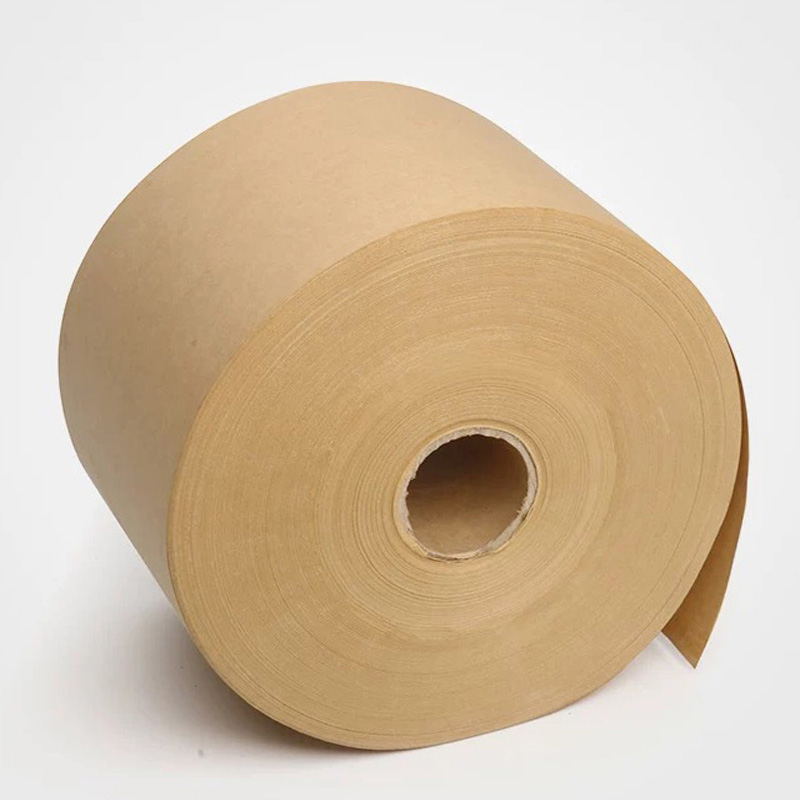
Slitting & rewinding machine 3
Key Selection Criteria at a Glance
The table below summarizes the essential factors you need to compare when choosing a slitter rewinder. Use it as a checklist during your purchasing process.
| Selection Factor | What to Consider | Why It Matters |
|---|---|---|
| Material Type | Paper, film, foil, non‑woven, foam | Determines knife style & tension range |
| Maximum Web Width | Width of your largest master roll | Affects machine frame size and cost |
| Slitting Speed | Meters per minute (m/min) needed | Directly impacts daily output |
| Tension Control | Open‑loop vs closed‑loop servo | Prevents stretching or telescoping |
| Knife System | Razor, shear, or crush | Match to material thickness & edge quality |
| Rewind Shaft Type | Single shaft, differential, or cantilever | Influences roll quality & changeover time |
| Automation Level | Manual, semi‑auto, or fully automatic | Affects labor cost and consistency |
| After‑Sales Support | Spare parts availability, training, warranty | Minimizes downtime |
Match the Machine to Your Material Type
Different materials require different slitting methods and tension control strategies. Paper slittingtypically uses shear knives, which produce clean edges without dust. Film slitting (e.g., PP, PET, PE) demands razor blades and very low, consistent tension to avoid stretching. Foil and non‑wovenmaterials often work best with crush slitting or ultrasonic cutting. Before you contact any supplier, list all materials you currently process – and any you plan to process in the future. A machine that handles material versatility will save you from buying a second unit later.
Determine the Right Web Width and Slitting Speed
Measure the widest master roll you ever need to slit. Standard slitter rewinders range from 600 mm to 2500 mm. Choosing a machine wider than necessary wastes floor space and money; choosing one too narrow limits your orders. For speed, think about your daily production target. If you need 10,000 meters per shift, a machine rated at 300 m/min can finish in about 35 minutes of running time – but you also need time for roll changes and setup. A good rule: select a maximum slitting speed 20% higher than your current peak requirement to allow for growth.
Tension Control: Closed‑Loop is Non‑Negotiable for Quality
Tension control is the most misunderstood yet critical feature. Open‑loop tension uses a fixed brake pressure – it works for short runs of tough paper but fails for thin films or long rolls. Closed‑loop tension uses load cells and a servo motor to maintain constant tension regardless of roll diameter. This tension control benefit prevents the three biggest defects: wrinkles, stretching, and telescoping. For any business processing film, foil, or high‑value materials, always choose closed‑loop. The extra upfront cost pays back in reduced waste within months.
Select the Correct Knife System
Your choice of slitting knives directly affects edge quality and blade life. Use this quick guide:
-
Razor slitting – Best for thin films (under 50 µm) and light papers. Low cost, but blades wear quickly.
-
Shear slitting – Ideal for papers, cardboard, and thicker films. Uses a male and female blade that act like scissors. Gives the best edge quality.
-
Crush slitting – Works for non‑wovens, foam, and some tapes. A blade presses against a hardened anvil roll.
Some machines allow you to swap knife holders, giving you flexible material processing without buying another machine. Ask the supplier about changeover time between knife types.
Rewind Shaft: Single vs. Differential
The rewind shaft determines how your finished rolls are wound. Single‑shaft designs are simple and cheap, but they assume the material thickness is perfectly uniform – which it never is. The result: some rolls become too tight, others too loose. Differential rewind shafts allow each core position to rotate at a slightly different speed, compensating for material thickness variations. This is essential for slit widths under 150 mm or for materials like adhesive tape. For general packaging paper, a cantilevered shaft with manual core locking may suffice. Invest in differential winding if you sell your rolls to automatic packaging lines – they demand perfect roll consistency.
Automation Level: Match Your Labor Skill
Manual slitter rewinders require operators to set knives, adjust tension with a handwheel, and manually unload rolls. They are cheap but slow and depend on operator skill. Semi‑automaticmachines add digital tension readouts and motorized knife positioning – good for medium volumes. Fully automatic units include automatic roll unloading, core loading, and recipe storage for repeat jobs. Consider your operators’ experience and your labor costs. If you run the same widths every day, semi‑auto is fine. If you run dozens of different widths daily, the quick setup of a fully automatic converting machine pays off quickly.
After‑Sales Support: Often Overlooked but Vital
Even the best machine will eventually need spare parts – knives, core chucks, sensors, or bearings. Before buying, ask the supplier:
-
Spare parts availability – Are common parts stocked locally?
-
Training – Is on‑site or video training included?
-
Warranty – Typical is 12 months; longer is better.
-
Technical support – Is there a 24/7 hotline or remote diagnostics?
At EzCushion Machiner, we provide comprehensive after‑sales support and keep a full inventory of spare parts for all our slitter rewinder models.
FAQs
1. How do I know what maximum web width I need?
Measure the widest master roll you currently buy or plan to buy. Add 100 mm for edge trim. Never buy a machine narrower than your widest roll.
2. What is the difference between a single‑shaft and a differential rewind shaft?
A single shaft forces all cores to rotate together, causing uneven winding. A differential shaft lets each core slip independently, producing uniformly tight rolls even when material thickness varies.
3. Can I upgrade an older machine with closed‑loop tension control?
Yes, many older machines can be retrofitted with load cells and a servo‑driven unwind brake. However, the cost is often 40–60% of a new machine – sometimes better to buy new.
4. How much floor space does a typical slitter rewinder require?
A 1600 mm wide machine needs approximately 5 m (length) × 2.5 m (width) × 2 m (height). Add 1.5 m on each side for operator access and roll loading.
5. What is the typical payback period for a new slitter rewinder?
For a business processing 5000 meters per day, the savings in labor and waste typically pay back the investment within 12 to 18 months.
6. Should I buy a used or new machine?
Used machines can save upfront cost, but they often lack modern tension control and may have worn parts. Only buy used from a reputable dealer with a warranty. New machines from EzCushion come with full support.
7. How do I compare quotes from different suppliers?
Create a comparison table including: web width, max speed, tension control type, knife system, rewind shaft type, automation level, warranty, spare parts availability, and training included. Don’t only compare price.
Conclusion
Choosing the right slitting rewinding machine comes down to matching the machine’s material handling, width, speed, tension control, knife system, rewind shaft, and automation level to your specific production needs. Prioritize closed‑loop tension and differential rewind for quality. Don’t forget after‑sales support.
Ready to find your perfect machine? Contact EzCushion Machiner for a personalized recommendation. Get a free quote or consultation now!


