

Introduction
As e-commerce, logistics, and fulfillment businesses continue to grow, efficient and reliable protective packaging has become increasingly important. Products need to be protected from impact, vibration, and movement during transportation, while packaging companies also need to control material costs and improve packing efficiency.
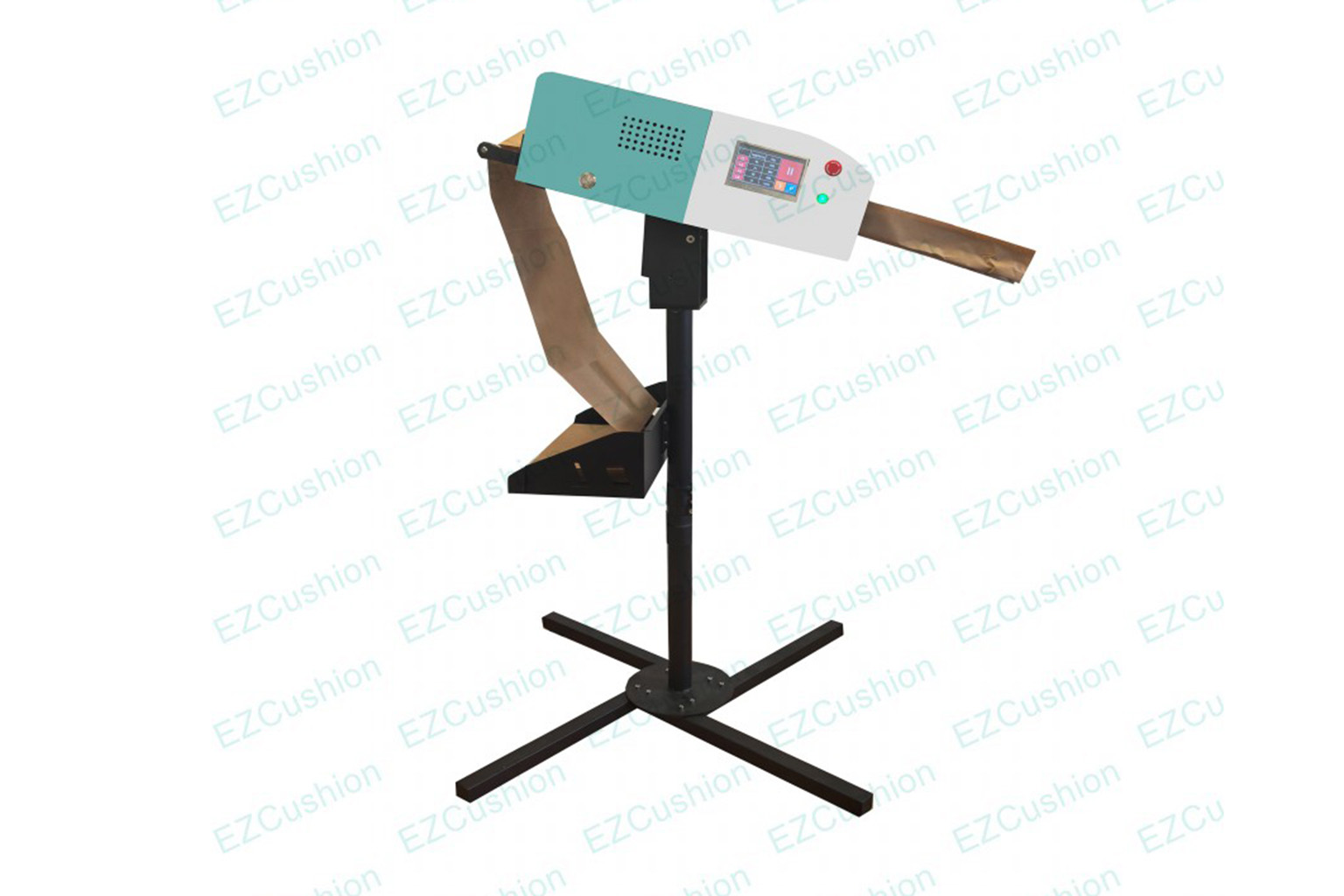
A Paper Cushion Machine provides an efficient solution by converting paper materials into protective cushioning for packaging applications. Compared with manually preparing paper cushioning, an automated machine can help improve production speed, maintain consistent cushioning quality, and reduce repetitive labor.
However, choosing the right Paper Cushion Machine requires more than simply comparing machine prices or production speeds. Factors such as packaging volume, paper material, cushioning requirements, machine configuration, operating efficiency, maintenance, and after-sales support should all be considered.
Understand Your Packaging Requirements
The first step in choosing a Paper Cushion Machine is understanding your actual packaging requirements. Different businesses may have very different needs depending on product size, packaging volume, shipping conditions, and the level of protection required.
For example, an e-commerce fulfillment center handling thousands of small parcels may prioritize high production speed and continuous operation. A smaller business may place greater importance on compact machine design, simple operation, and flexible material usage.
Before purchasing equipment, evaluate your average daily packaging volume, peak-season demand, product types, available workspace, and existing packaging workflow. These factors will help determine what type of machine and production capacity are most appropriate for your business.
Choose the Right Paper Material
Paper compatibility is one of the most important factors when selecting a Paper Cushion Machine. Different machines may be designed for specific paper types, widths, thicknesses, or material structures.
The paper should be able to pass smoothly through the feeding and forming system without excessive tearing, jamming, or inconsistent output. The final cushioning material should also provide sufficient flexibility and protective performance for the products being packed.
When comparing machines, ask the manufacturer about recommended paper specifications and material compatibility. If your business uses several types of packaging paper, choosing a machine with a wider material range may provide greater flexibility in daily production.
Consider Machine Production Speed
Production speed directly affects packaging efficiency, particularly for businesses handling high order volumes. A Paper Cushion Machine with an appropriate production capacity can continuously produce protective paper cushioning as it is needed.
However, maximum machine speed should not be the only purchasing criterion. A machine that operates at a high advertised speed but frequently stops for adjustments or material problems may not provide better real-world productivity.
Instead, consider actual output under normal operating conditions. Production stability, feeding performance, changeover time, downtime, and ease of adjustment should all be evaluated alongside maximum speed.
For high-volume packaging operations, a machine that provides stable continuous output may deliver greater value than one that offers a higher theoretical speed but requires frequent intervention.
Evaluate Cushioning Quality and Product Protection
The primary purpose of a Paper Cushion Machine is to produce protective packaging material. Therefore, cushioning quality should be carefully evaluated before making a purchasing decision.
The finished paper cushion should provide adequate protection against movement, impact, and surface damage during transportation. The structure and density of the cushioning material may need to vary depending on the size, weight, fragility, and shape of the packaged product.
For fragile products such as glassware, ceramics, electronics, cosmetics, and precision components, stable cushioning performance is especially important.
Whenever possible, conduct sample testing using your actual products and packaging materials. This can help determine whether the machine produces cushioning that meets your protection requirements.
Consider Automation and Ease of Operation
Automation can significantly improve the efficiency of modern packaging operations. A good Paper Cushion Machine should allow operators to start, adjust, monitor, and maintain the equipment without complicated procedures.
Consider the machine’s control interface, adjustment system, feeding mechanism, safety functions, and overall ease of operation. A user-friendly design can reduce operator training time and minimize mistakes during daily production.
For businesses with high packaging volumes, automated operation can also reduce repetitive manual work. Employees can focus on packing, quality control, order fulfillment, and other tasks instead of manually preparing cushioning materials.
Check Machine Size and Production Line Compatibility
Available workspace is another practical consideration. Before purchasing a Paper Cushion Machine, measure the area where the equipment will be installed and determine whether there is sufficient space for material storage, operation, maintenance, and finished cushioning output.
You should also consider how the machine will fit into your existing packaging workflow. Ideally, the machine should be positioned where operators can easily access the generated paper cushioning without unnecessary movement.
For larger fulfillment centers, the machine may also need to work alongside conveyors, packing stations, cutting equipment, or other automated packaging systems. Checking compatibility before purchase can help prevent costly layout changes later.
Evaluate Durability and Machine Construction
A Paper Cushion Machine used for continuous commercial packaging should have a reliable mechanical structure and durable components. Machine quality can directly affect production stability, maintenance frequency, and service life.
When evaluating different models, pay attention to the quality of the feeding system, forming components, drive system, electrical components, control system, and safety features.
A well-designed machine should be able to maintain stable operation over extended working periods. Easy access to key components is also valuable because it simplifies routine cleaning, inspection, adjustment, and maintenance.
Consider Maintenance and Spare Parts
Regular maintenance is essential for keeping a Paper Cushion Machine operating efficiently. Before purchasing, ask the supplier about recommended maintenance procedures, cleaning requirements, replacement intervals, and common wear parts.
Spare-part availability is particularly important for businesses that depend on continuous packaging operations. If a critical component is unavailable for an extended period, even a minor equipment problem can interrupt the entire packing process.
A reliable supplier should provide technical documentation, troubleshooting guidance, replacement parts, and responsive technical support. These services can make a significant difference in long-term machine performance.
Compare Energy Consumption and Operating Costs
The purchase price is only one part of the total cost of owning a Paper Cushion Machine. Businesses should also consider electricity consumption, paper usage, maintenance, labor, spare parts, and potential downtime.
A machine with good material utilization and stable operation can help reduce unnecessary waste and operating costs. Similarly, automation can reduce the amount of manual labor required for producing protective packaging material.
When comparing different machines, calculate the expected total cost of ownership rather than selecting equipment solely based on the lowest initial price.
Choose a Reliable Machine Supplier
The supplier is an important part of the purchasing decision. Even a high-quality Paper Cushion Machine may require technical support, spare parts, installation assistance, or troubleshooting during its service life.
Look for manufacturers with relevant production experience, reliable quality control, technical expertise, and a proven ability to support customers after installation.
For international buyers, communication, documentation, remote technical support, spare-parts availability, and response time should receive particular attention. A professional supplier should be able to understand your packaging requirements and recommend a suitable machine configuration rather than simply selling a standard model.
Test the Machine Before Purchasing
Whenever possible, request a machine demonstration or production test before placing an order. Testing provides an opportunity to evaluate the machine using your actual paper material and packaging requirements.
During testing, observe feeding stability, cushioning quality, production speed, noise level, adjustment convenience, material waste, and operator requirements.
Testing can also help identify potential compatibility issues before installation at your facility. This is especially valuable for businesses with specialized packaging requirements or high production volumes.
Think About Future Business Growth
Your current packaging volume may not remain the same over the next few years. If your business is expanding rapidly, choosing equipment based only on today’s requirements may result in insufficient production capacity later.
Consider your expected order growth, new product categories, additional packaging stations, and potential expansion into new markets. A flexible Paper Cushion Machine may provide greater long-term value if it can support increasing production requirements.
At the same time, avoid purchasing a machine with significantly more capacity than you can reasonably use. The goal is to find a balance between current requirements, future growth, investment cost, and operating efficiency.
Conclusion
Choosing the right Paper Cushion Machine requires a comprehensive evaluation of packaging requirements, paper compatibility, production speed, cushioning quality, automation, machine size, durability, maintenance, operating costs, and supplier support.
The best machine is not necessarily the fastest or the cheapest option. Instead, it should provide reliable cushioning performance, stable production, convenient operation, reasonable operating costs, and long-term service support.
By carefully evaluating your packaging workflow and testing equipment with actual materials and products, you can select a Paper Cushion Machine that improves packaging efficiency, enhances product protection, reduces repetitive labor, and supports the long-term growth of your packaging business.
FAQ
What is a Paper Cushion Machine?
A Paper Cushion Machine is packaging equipment that converts paper into protective cushioning material. It helps businesses efficiently produce paper cushioning for protecting products during storage, handling, and transportation.
What are the main benefits of using a Paper Cushion Machine?
A Paper Cushion Machine can improve packaging efficiency, reduce repetitive manual work, provide consistent cushioning output, reduce material waste, and support more sustainable packaging operations.
How do I choose the right Paper Cushion Machine?
Consider your packaging volume, paper material, required cushioning performance, production speed, available workspace, automation requirements, maintenance needs, energy consumption, and supplier support before making a decision.
What types of products can be protected with paper cushioning?
Paper cushioning can be used for a wide range of products, including electronics, glassware, ceramics, cosmetics, household products, and other items that require protection against movement and impact during transportation.
Is a Paper Cushion Machine suitable for high-volume packaging?
Yes. Paper Cushion Machines can be suitable for high-volume packaging operations because they can continuously produce cushioning material and reduce the amount of manual preparation required.
Can a Paper Cushion Machine reduce packaging costs?
It can help reduce overall packaging costs by improving production efficiency, reducing repetitive labor, optimizing paper usage, and minimizing unnecessary material waste. Actual savings depend on production volume and operating conditions.
What should I consider when selecting paper material?
Check the machine manufacturer’s recommended paper width, thickness, weight, and material characteristics. The selected paper should run smoothly through the machine and provide adequate cushioning performance for the products being packaged.
How important is machine maintenance?
Regular cleaning, inspection, adjustment, and replacement of wear parts are important for maintaining stable performance. Good maintenance can help reduce unexpected downtime and extend the machine’s service life.
Why is supplier support important when buying a Paper Cushion Machine?
Reliable technical support, spare-parts availability, installation assistance, documentation, and troubleshooting services can help minimize downtime and ensure stable long-term operation, especially for high-volume packaging businesses.


