

Introduction
As businesses look for more efficient and sustainable packaging methods, paper-based protective materials are becoming increasingly popular. A mini paper shredding machine can help convert paper into cushioning, filling, or protective packaging material while reducing the need for manual processing.
For e-commerce businesses, retailers, fulfillment centers, gift packaging companies, and small packaging operations, choosing the right mini paper shredding machine is important. The machine should match the type of paper being processed, required production capacity, available workspace, packaging requirements, and overall operating needs.
With different models and configurations available, buyers should evaluate more than just the machine size or purchase price. Understanding the key factors can help businesses select a mini paper shredding machine that provides suitable performance and long-term value.
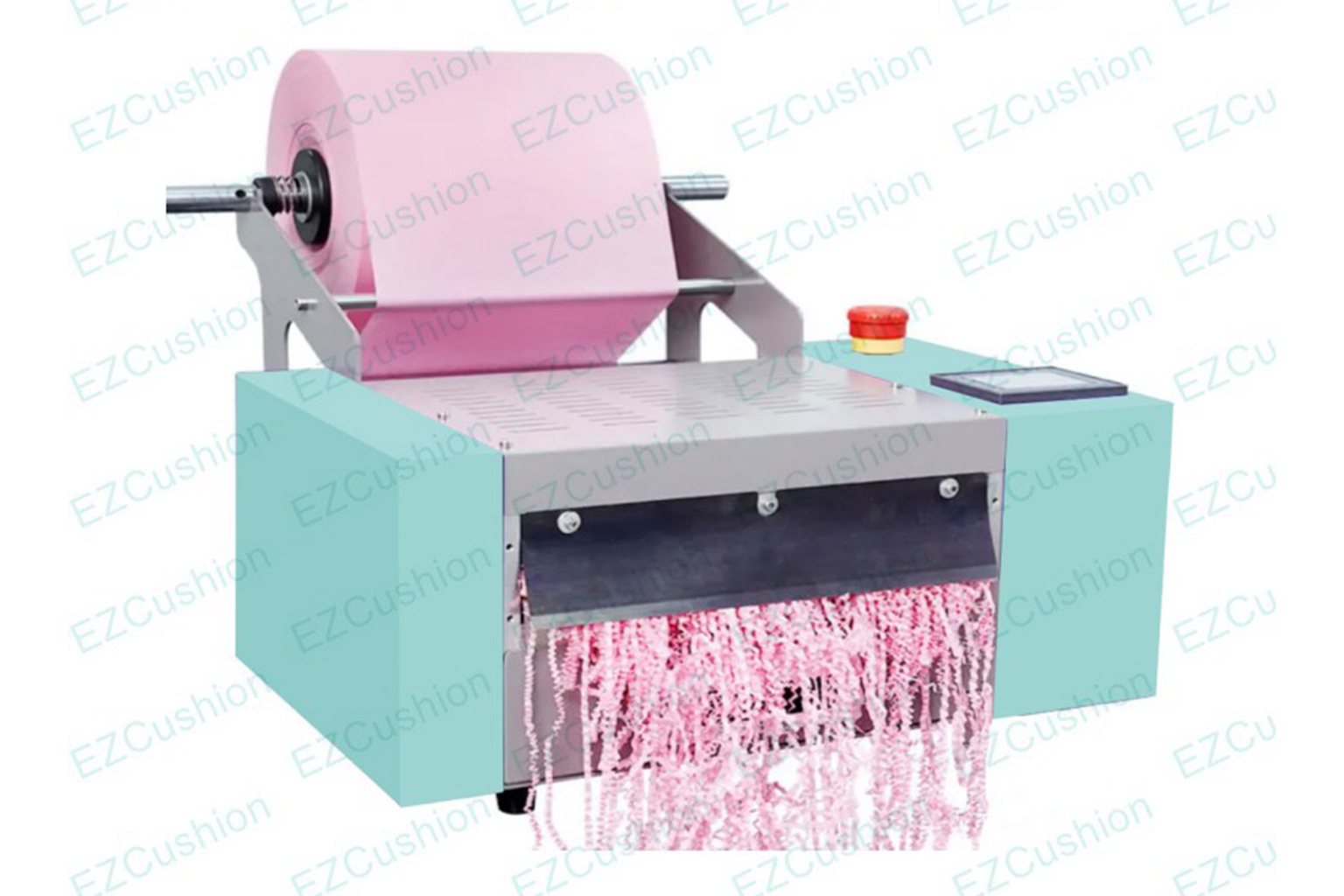
What Is a Mini Paper Shredding Machine?
A mini paper shredding machine is a compact piece of equipment designed to process paper into smaller strips, shreds, or other forms of protective packaging material. Depending on the machine design, the processed paper can be used for void filling, product cushioning, wrapping, or decorative packaging.
Compared with larger industrial paper processing equipment, mini machines generally require less installation space and are suitable for businesses with relatively moderate packaging material requirements. Their compact design can also make them practical for workstations, packing areas, retail environments, and small fulfillment centers.
Before selecting a machine, businesses should first determine what type of finished packaging material they need. Different applications may require different cutting patterns, paper widths, material thicknesses, or processing methods.
Consider the Type of Paper You Need to Process
One of the first factors to consider is the type of paper the machine can handle. Packaging operations may use kraft paper, recycled paper, wrapping paper, or other paper materials with different thicknesses and characteristics.
A machine designed for lightweight paper may not be suitable for thicker or multi-layer materials. Therefore, buyers should check the machine’s recommended paper specifications, including paper width, thickness, roll or sheet format, and material compatibility.
If your business uses several types of paper, selecting a machine with a wider processing range can provide greater flexibility. It is also useful to confirm the recommended paper quality with the manufacturer before purchasing.
Determine the Required Production Capacity
Production capacity is another important consideration. A small online store that processes several dozen packages per day will have very different requirements from a fulfillment center handling hundreds or thousands of orders.
When evaluating a mini paper shredding machine, consider the amount of packaging material required per hour or per day rather than focusing only on the machine’s maximum theoretical speed. Actual output can vary depending on paper type, feeding method, operating conditions, and the desired finished material.
Choosing a machine with suitable capacity can help avoid two common problems. A machine with insufficient output may create a bottleneck in the packing process, while an oversized machine may increase equipment costs and occupy unnecessary workspace.
Check the Machine Size and Workspace Requirements
One of the main advantages of a mini paper shredding machine is its compact footprint. However, buyers should still check the complete dimensions of the equipment before making a purchase.
The available workspace should include not only the machine itself but also enough room for paper loading, material collection, operator movement, and routine maintenance.
For businesses with limited packing space, a compact machine that can be positioned close to the packaging workstation may improve workflow efficiency. A suitable layout can also reduce the distance operators need to move between packaging materials and finished products.
Evaluate the Feeding Method
The paper feeding method can have a direct effect on operating efficiency. Some machines are designed for continuous feeding, while others may be more suitable for individual sheets or smaller batches.
Businesses should consider how their paper materials are stored and prepared before processing. If paper is already supplied in rolls, a compatible roll-feeding system may provide a convenient workflow. If the business mainly handles individual sheets or recycled paper, a sheet-feeding configuration may be more practical.
The feeding method should therefore match the company’s existing packaging process rather than being selected independently.
Consider the Finished Packaging Material
Not every paper shredding machine produces the same type of output. Depending on the cutting or processing structure, a machine may create shredded paper, strips, crinkle-style material, or other forms of protective packaging material.
Think about how the finished material will be used. For example, void filling requires material that can occupy empty spaces inside cartons, while product cushioning may require a different structure or volume. Decorative gift packaging may also have different appearance requirements.
Defining the final packaging application first makes it easier to identify the appropriate machine configuration.
Look at Ease of Operation
For small businesses, a machine that is simple to operate can be especially valuable because packaging employees may need to perform multiple tasks during the packing process.
Important considerations include paper loading, feeding, starting and stopping, output collection, and routine adjustments. An intuitive control system can reduce the learning curve and help operators use the equipment more consistently.
Safety features should also be considered. Protective structures, emergency stop functions, and appropriate electrical safety measures can contribute to safer daily operation.
Consider Maintenance and Durability
A mini paper shredding machine may be used frequently, so maintenance requirements should be considered before purchase. Buyers should understand which components require regular cleaning, adjustment, lubrication, or replacement.
The quality of cutting components and other critical parts can also influence long-term performance. A reliable machine should maintain consistent processing performance under normal operating conditions.
It is also worth asking the manufacturer about spare parts availability and technical support. For businesses that rely on the machine for daily packaging operations, convenient access to replacement parts and after-sales assistance can reduce potential downtime.
Compare Energy Consumption and Operating Costs
The purchase price is only one part of the total cost of owning a mini paper shredding machine. Businesses should also consider electricity consumption, maintenance, spare parts, labor requirements, and the cost of the paper materials used during operation.
A machine that reduces manual paper preparation may help improve labor efficiency. At the same time, energy consumption should be evaluated based on expected operating hours and production requirements.
Comparing the total operating cost rather than focusing solely on the initial price can provide a more useful basis for purchasing decisions.
Choose a Reliable Mini Paper Shredding Machine Manufacturer
The manufacturer is another important factor when selecting equipment. Buyers should look at manufacturing experience, machine quality, technical specifications, customization capabilities, quality control, and after-sales service.
For businesses purchasing equipment for long-term use, it can be helpful to request detailed specifications, operating videos, samples of finished materials, and information about warranty and spare parts support.
A professional manufacturer should also be able to recommend a suitable configuration based on the customer’s paper material, production requirements, and packaging application rather than simply offering a standard machine.
Conclusion
Choosing the right mini paper shredding machine starts with understanding your actual packaging requirements. Paper type, production capacity, feeding method, finished material, machine size, ease of operation, maintenance, energy consumption, and manufacturer support should all be considered before making a decision.
For small and medium-sized packaging operations, the right machine can provide a practical way to produce paper-based protective packaging material on demand. By matching machine specifications with your workflow and production needs, you can build a more efficient packaging process while supporting the growing demand for sustainable packaging materials.
FAQ
1. What is a mini paper shredding machine used for?
A mini paper shredding machine is mainly used to process paper into shredded or protective packaging material. It can be used for void filling, product cushioning, wrapping, gift packaging, and other packaging applications.
2. What types of paper can a mini paper shredding machine process?
Depending on the machine model, it may process kraft paper, recycled paper, wrapping paper, and other suitable paper materials. Buyers should check the manufacturer’s recommended paper thickness, width, and material specifications before use.
3. How do I choose the right mini paper shredding machine?
Consider your paper type, required output, feeding method, available workspace, finished packaging material, operating frequency, maintenance requirements, and budget. The machine should match your actual packaging workflow and production requirements.
4. Is a mini paper shredding machine suitable for small businesses?
Yes. Its compact design makes it suitable for small businesses, e-commerce stores, retailers, gift packaging companies, and small fulfillment operations that need to produce paper packaging material on demand.
5. Can a mini paper shredding machine replace manual paper shredding?
A mini paper shredding machine can reduce repetitive manual work and provide more consistent processing. Whether it can completely replace manual processing depends on the required production volume, paper type, and packaging operation.


