

Introduction
Packaging efficiency has become an important consideration for e-commerce companies, fulfillment centers, retailers, gift packaging businesses, and packaging suppliers. As order volumes increase, manual preparation of packaging materials can consume valuable labor time and create unnecessary interruptions in the packing process.
Crinkle paper is widely used as a void filler because it can occupy empty spaces inside cartons, help reduce product movement, and provide an attractive appearance. However, manually cutting, shredding, and crumpling paper sheets can become inefficient when packaging demand increases.
A Sheet Feeding Crinkle Paper Shredding Machine automates the process of feeding, shredding, and crinkling paper sheets into packaging filler. By reducing repetitive manual operations and providing a more consistent material supply, the machine can help businesses create a smoother and more efficient packaging workflow.
What Is a Sheet Feeding Crinkle Paper Shredding Machine?
A Sheet Feeding Crinkle Paper Shredding Machine is designed to convert flat paper sheets into crinkle paper for packaging applications. Instead of requiring workers to manually process individual sheets, the machine uses an automatic feeding system to move paper through the cutting and crinkling sections.
The processed paper is transformed into a lightweight, three-dimensional material that can be used to fill empty spaces around products.
Depending on the machine model, suitable materials may include kraft paper, recycled paper, colored paper, and other compatible paper grades. The supported sheet size, paper thickness, processing speed, and output capacity depend on the specific machine configuration.
How Does It Improve Packaging Efficiency?
The biggest efficiency improvement comes from automating repetitive paper preparation. In a manual process, workers may need to repeatedly pick up paper, feed it into a cutting or shredding tool, collect the processed material, and prepare it for packing.
A sheet feeding machine combines these steps into a more continuous process. Once the paper sheets are loaded and the machine is properly configured, the equipment can automatically feed and process the material.
This allows packaging employees to spend more time on activities such as product inspection, order assembly, carton preparation, labeling, and final packing.
The machine does not completely eliminate labor, but it can reduce the amount of time employees spend on repetitive paper processing.
Reduces Repetitive Manual Work
Manual paper preparation can become a significant labor burden when a business processes hundreds or thousands of packages.
Workers have to perform similar movements repeatedly, which can reduce productivity over long shifts. It can also make it more difficult to allocate employees efficiently when order volumes fluctuate.
A Sheet Feeding Crinkle Paper Shredding Machine automates much of this repetitive work. Operators primarily need to load paper sheets, adjust the machine, monitor operation, and collect the finished material.
By moving employees away from repetitive material preparation, businesses can make better use of available labor during busy packaging periods.
Speeds Up Packaging Material Preparation
Packaging filler needs to be available when orders reach the packing station. If crinkle paper has to be prepared manually, the availability of filler can sometimes become a bottleneck.
Automated sheet feeding and paper processing provide a more consistent way to prepare crinkle paper. The machine can continuously process suitable sheets according to its operating capacity, allowing packaging teams to maintain a steady supply of filler.
This is particularly useful in fulfillment environments where many orders are packed throughout the day.
Actual production speed depends on the machine model, paper specifications, feeding method, and operating conditions, so businesses should evaluate equipment capacity based on their actual packaging requirements.
Creates More Consistent Packaging Filler
Consistency is another important part of packaging efficiency.
When paper is manually shredded or crumpled, the resulting material may vary in strip width, texture, and volume depending on the operator. This can make it difficult to establish standardized packing procedures.
A dedicated machine uses controlled feeding, cutting, and crinkling processes to produce a more consistent material structure. This allows packaging teams to develop more repeatable methods for filling cartons of different sizes.
Consistent crinkle paper can also improve the visual appearance of retail and gift packaging, where presentation is an important part of the customer experience.
Helps Standardize Material Usage
Packaging efficiency is not only about processing materials faster. Businesses also need to control how much packaging material is used for each order.
Crinkle paper has a textured structure that provides greater volume than flat paper. When produced consistently, it becomes easier for packaging teams to estimate the amount of material needed for specific products and carton sizes.
For example, a company may establish standard packing procedures for small, medium, and large boxes. Operators can then use an appropriate amount of crinkle paper for each packaging format instead of relying entirely on individual judgment.
This may help reduce unnecessary overfilling while maintaining appropriate product protection.
However, businesses should not assume that using less filler is always better. The required amount depends on product weight, fragility, carton dimensions, transportation conditions, and the overall packaging design.
Improves Packing Station Organization
The location and availability of packaging materials can have a direct effect on workflow efficiency.
If crinkle paper is produced in a separate area, workers may need to transport bulky finished material to individual packing stations. This creates additional handling and storage requirements.
A sheet feeding machine can potentially be positioned close to the packing area. Paper sheets can be processed when needed, and the finished crinkle paper can be collected directly at the workstation.
For larger facilities, the machine may also be incorporated into a broader packaging layout with collection containers, conveyors, or other material-handling equipment.
The exact setup depends on the facility’s available space and production process, but reducing unnecessary material movement can contribute to a more organized workflow.
Supports On-Demand Crinkle Paper Production
Another efficiency benefit is the ability to produce crinkle paper according to actual packaging demand.
Businesses can store flat paper sheets as raw material and process them when packaging filler is required. This can reduce the need to prepare and store large quantities of finished crinkle paper in advance.
For companies with fluctuating order volumes, on-demand production can provide additional flexibility. During slower periods, less filler needs to be produced, while production can be increased when order volumes rise.
This approach can also make inventory management easier because businesses can focus on managing paper sheet inventory rather than maintaining large quantities of finished crinkle filler.
Suitable for Different Packaging Applications
The flexibility of crinkle paper makes sheet feeding equipment suitable for a range of packaging applications.
E-Commerce Packaging
E-commerce businesses often ship products in different box sizes. Crinkle paper can fill empty spaces inside cartons and help limit product movement during transportation.
A sheet feeding machine allows packaging teams to prepare filler as orders are packed, supporting a more efficient fulfillment workflow.
Gift and Retail Packaging
Crinkle paper can serve both protective and decorative functions in gift boxes, subscription boxes, and retail packaging.
Businesses can use different paper colors and materials to create packaging that matches their brand identity or seasonal campaigns.
Cosmetics and Personal Care Packaging
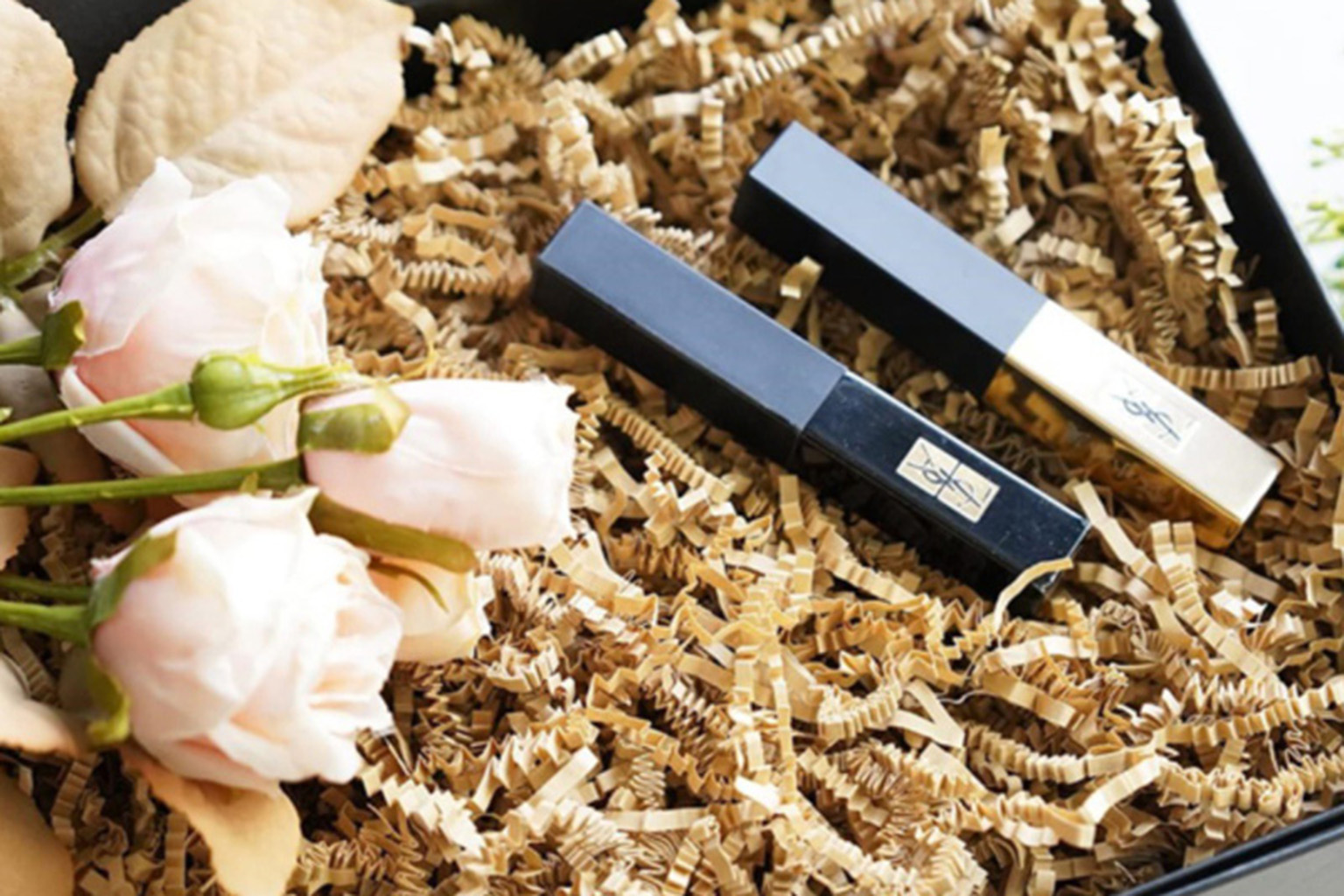
Cosmetics, skincare products, fragrances, and gift sets often require attractive internal packaging. Crinkle paper can provide a textured appearance while helping fill empty spaces around products.
Fragile Product Packaging
Products such as glass bottles, ceramics, candles, and other fragile goods may require void filling to reduce movement inside shipping cartons.
Crinkle paper can be used around these products as part of a broader protective packaging system. The final packaging design should be tested to verify that it provides sufficient protection during handling and transportation.
Can It Reduce Packaging Labor Costs?
A Sheet Feeding Crinkle Paper Shredding Machine can potentially reduce labor requirements associated with paper preparation. The actual savings depend on packaging volume, labor costs, machine capacity, operating time, and the level of automation.
For a small business that processes only a few packages each day, manual paper preparation may remain practical. However, for a fulfillment center or retailer handling a large number of orders, reducing repetitive paper processing can have a more significant effect on labor utilization.
Businesses should therefore evaluate total operating costs rather than comparing only the purchase price of the machine with the cost of manual preparation.
Sheet Feeding vs. Manual Paper Preparation
Manual preparation may have a lower initial investment because it does not require specialized machinery. It can also be flexible for occasional packaging tasks.
However, manual processing relies heavily on labor and may produce less consistent results. As packaging volume increases, the time required for preparation can become more significant.
Sheet feeding equipment requires an initial investment but provides automated feeding and processing. It can be a better fit for businesses that need regular and repeatable production of crinkle paper.
The most suitable approach depends on order volume, available labor, paper format, production requirements, and long-term packaging costs.
What Should Businesses Consider When Choosing a Machine?
Packaging companies should first determine how much crinkle paper they need during normal and peak operating periods. This helps identify an appropriate processing capacity.
Paper compatibility is equally important. Businesses should check the supported sheet dimensions, paper thickness, material type, and other requirements before purchasing equipment.
The desired cutting width and crinkle structure should also match the intended application. Different packaging products may require different filler characteristics, so adjustable settings can provide greater flexibility.
Other factors include machine footprint, power requirements, operating method, safety features, maintenance requirements, spare parts availability, and technical support.
A machine should be evaluated as part of the complete packaging workflow rather than based only on its maximum processing speed.
Maintenance for Consistent Efficiency
Regular maintenance is essential for keeping the machine operating reliably. Paper dust and residue should be cleaned from the feeding and processing areas according to the manufacturer’s recommendations.
Cutting components should be inspected for wear, while feeding components should be checked to ensure that paper sheets move smoothly through the machine.
Operators should also use materials that meet the recommended specifications. Incorrect paper size, excessive thickness, moisture, or unsuitable material characteristics can cause feeding problems and reduce processing efficiency.
Proper maintenance can help minimize unexpected downtime and maintain consistent crinkle paper production.
Conclusion
A Sheet Feeding Crinkle Paper Shredding Machine can improve packaging efficiency by automating the preparation of crinkle paper from flat sheets. Automatic feeding, cutting, and crinkling reduce repetitive manual work while providing a more consistent supply of packaging filler.
For e-commerce businesses, fulfillment centers, retailers, gift packaging companies, and other operations with regular packaging requirements, automated sheet feeding can help improve labor utilization, material handling, packing station organization, and production consistency.
The benefits are not limited to processing speed. On-demand production, standardized material usage, reduced manual handling, and a more organized packaging workflow can all contribute to long-term operational efficiency.
When selecting a machine, businesses should consider paper compatibility, processing capacity, sheet dimensions, crinkle structure, machine configuration, maintenance, and total operating costs. Choosing equipment that matches the actual packaging workflow can help businesses build a more efficient and reliable paper-based packaging process.
FAQ
How does a Sheet Feeding Crinkle Paper Shredding Machine improve packaging efficiency?
It automates paper feeding, cutting, and crinkling, reducing repetitive manual work and providing a more consistent supply of packaging filler.
Can a sheet feeding crinkle paper machine reduce labor costs?
It can reduce the labor time required for repetitive paper preparation. The actual savings depend on packaging volume, machine capacity, operating hours, and labor costs.
Is a Sheet Feeding Crinkle Paper Shredding Machine suitable for e-commerce packaging?
Yes. It is suitable for businesses that regularly need void filler for shipping cartons and want to produce crinkle paper more efficiently.
Does a crinkle paper machine help reduce material waste?
Consistent paper processing can make material usage easier to standardize. However, actual material savings depend on the product, carton size, and packaging design.
Can the machine produce crinkle paper on demand?
Yes. Sheet feeding equipment can process paper sheets as needed, allowing businesses to produce packaging filler according to their current packing requirements.
What factors affect the efficiency of a sheet feeding crinkle paper machine?
Paper type, sheet size, paper thickness, machine capacity, operating settings, maintenance, and the overall packaging workflow can all affect equipment efficiency.


