

Introduction
Packaging efficiency has become increasingly important for e-commerce businesses, fulfillment centers, retailers, and packaging suppliers. As order volumes grow, companies need packaging processes that can protect products while reducing unnecessary labor, material handling, and production delays.
Crinkle paper is commonly used as a void filler and protective packaging material. It can help fill empty spaces inside cartons, reduce product movement, and provide an attractive appearance for gift and retail packaging. However, manually preparing crinkle paper can become inefficient when packaging demand increases.
A Roll Feeding Crinkle Paper Machine provides an automated way to convert paper rolls into crinkle paper. By combining continuous roll feeding with cutting and crinkling, the machine can help businesses produce packaging filler more consistently and integrate paper processing into a faster packaging workflow.
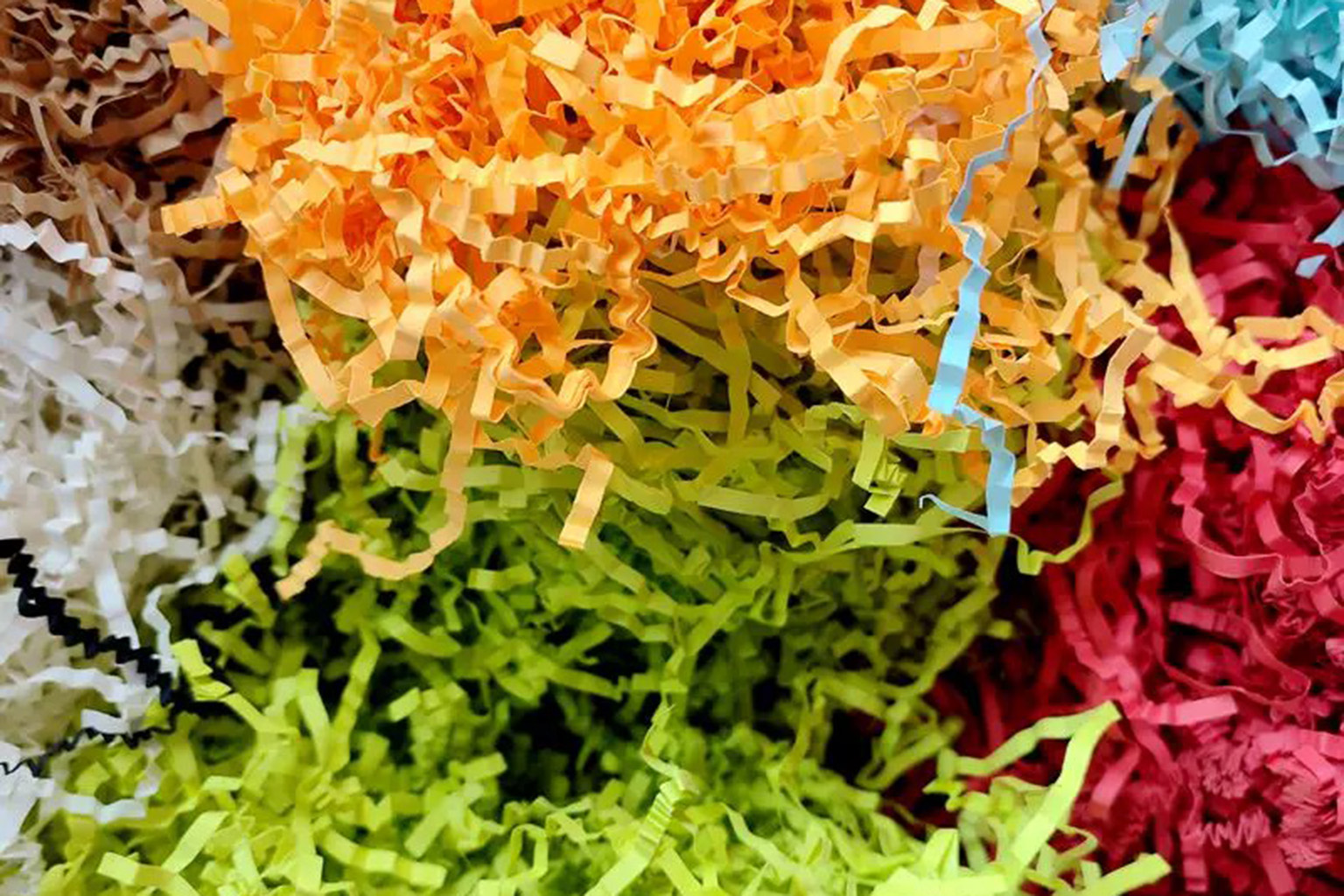
What Is a Roll Feeding Crinkle Paper Machine?
A Roll Feeding Crinkle Paper Machine is designed to process continuous paper rolls into crinkle paper for packaging applications. Instead of manually cutting, shredding, or crumpling individual sheets, the operator loads a paper roll into the machine’s feeding system.
The machine continuously moves the paper through the processing section, where it is cut into strips and formed into a crinkled structure. The finished material is then discharged for collection or direct use at the packing station.
Depending on the machine model, materials may include kraft paper, recycled paper, colored paper, and other suitable paper grades. The available paper thickness, roll width, cutting width, and production capacity depend on the specific equipment.
How Does It Improve Packaging Efficiency?
The main advantage of a roll feeding system is that it automates a repetitive part of the packaging process. Instead of spending time manually preparing paper filler, workers can focus more on product assembly, order picking, packing, and quality control.
The machine also provides a more continuous material supply. Once a suitable paper roll has been installed, the equipment can process the material without requiring operators to repeatedly load individual sheets.
For businesses handling a large number of orders, these improvements can make the overall packaging workflow more predictable and easier to manage.
Continuous Roll Feeding Reduces Interruptions
Manual paper preparation often involves repeated steps. An operator needs to take paper, feed it into a cutting or shredding tool, process it, collect the finished material, and repeat the process.
A Roll Feeding Crinkle Paper Machine changes this workflow by using a continuous paper roll as the input material. The paper moves automatically through the machine, reducing the number of manual feeding operations.
This continuous process can be particularly useful in fulfillment environments where packaging filler is required throughout the working day. Instead of preparing large quantities of crinkle paper in advance, businesses can produce it according to actual packaging demand.
Faster Preparation of Packaging Filler
Packaging filler needs to be available when products are ready to be packed. If workers have to manually prepare large quantities of crinkle paper, filler production can become a bottleneck.
Automated cutting and crinkling allow the machine to produce packaging material at a consistent rate. The actual output depends on the machine model, paper specifications, and operating conditions, but automated processing is generally more suitable for repetitive, higher-volume production than manual preparation.
This can help packaging teams maintain a smoother workflow, particularly during periods of high order volume.
Reduces Repetitive Manual Labor
One of the most important ways a crinkle paper machine improves efficiency is by reducing repetitive work.
Manual processing requires workers to perform the same paper preparation tasks repeatedly. Over long production periods, this can consume considerable labor time and make it difficult for employees to focus on other packaging activities.
With automated roll feeding, operators primarily need to load the paper roll, configure the machine, monitor its operation, and handle the finished material.
The machine does not eliminate the need for labor, but it can shift workers away from repetitive paper processing toward tasks that require more direct attention.
Provides More Consistent Crinkle Paper
Consistency is another important factor in packaging efficiency.
When paper is manually shredded or crinkled, the size and shape of the finished material can vary between operators. This may result in different amounts of filler being used from one package to another.
A dedicated crinkle paper machine uses controlled feeding, cutting, and crinkling mechanisms to produce a more consistent material structure. Consistent output makes it easier for packaging operators to estimate how much filler is needed for a particular product.
For brands that care about packaging presentation, consistent crinkle paper can also help create a more uniform appearance across orders.
Helps Optimize Packaging Material Usage
Packaging efficiency is not simply about processing paper faster. It is also about using packaging materials appropriately.
Crinkle paper has a three-dimensional structure that gives it greater volume than flat paper. This allows a relatively lightweight amount of material to occupy empty spaces around products.
When the paper is produced consistently, businesses can develop more standardized packing methods. For example, packaging teams can determine an appropriate amount of crinkle paper for specific box sizes and product types.
This can help reduce unnecessary overfilling while still providing sufficient void filling.
However, the ideal amount of filler depends on the product, box dimensions, transportation conditions, and protection requirements. Businesses should test their packaging design rather than assuming that less material is always better.
Improves the Packing Station Workflow
The location of the crinkle paper machine can also affect packaging efficiency.
If finished crinkle paper needs to be produced in a separate area and transported to the packing station, additional handling may be required. A roll feeding machine can potentially be positioned close to the packing area, allowing packaging material to be produced where it is needed.
This can reduce unnecessary movement of bulky finished filler and simplify material handling.
In larger facilities, the machine may also be integrated with conveyors, collection containers, or other packaging equipment depending on the production layout.
Suitable for Different Packaging Applications
A major advantage of crinkle paper is its versatility. The same basic material can be used in different packaging environments.
E-Commerce Packaging
Online retailers often ship products in different shapes and sizes. Crinkle paper can fill empty spaces inside shipping cartons and help limit product movement during transportation.
A roll feeding machine allows the packaging team to produce filler continuously as orders are processed.
Gift and Retail Packaging
For gift boxes, subscription boxes, and premium retail packaging, crinkle paper provides both protective and decorative functions.
Businesses can select suitable paper colors or materials to match their packaging design and brand identity.
Cosmetics and Personal Care
Crinkle paper can be used around skincare products, cosmetics, fragrances, and gift sets. Its textured appearance can complement premium packaging while helping fill empty spaces.
Fragile Products
Glassware, ceramics, bottles, candles, and similar products may require additional void filling during shipping. Crinkle paper can be placed around these products to provide separation and help reduce unwanted movement.
For fragile products, however, the entire packaging system should be tested to ensure adequate protection during handling and transportation.
Supports On-Demand Packaging
Another benefit of roll feeding is the ability to produce packaging filler when needed.
Businesses do not necessarily need to prepare large quantities of finished crinkle paper in advance. Instead, paper rolls can be stored as raw material and processed according to packaging demand.
This can simplify inventory management and reduce the amount of finished filler occupying warehouse space.
For businesses with fluctuating order volumes, on-demand production can also make it easier to adjust packaging material output according to daily requirements.
How Does It Compare with Manual Paper Preparation?
Manual paper preparation has a lower initial cost and may be suitable for small businesses with limited packaging requirements. However, it requires more direct labor and generally offers less consistency.
A roll feeding machine requires an equipment investment, but it can provide continuous processing, lower repetitive labor requirements, and more predictable output.
For occasional packaging, manual preparation may still be practical. For businesses processing hundreds or thousands of packages regularly, automated crinkle paper production is more likely to provide meaningful efficiency improvements.
The decision should therefore be based on packaging volume and total operating costs rather than equipment purchase price alone.
Factors to Consider When Choosing a Crinkle Paper Machine
Businesses should first evaluate their daily or hourly packaging material requirements. This helps determine the appropriate machine capacity.
Paper compatibility is equally important. Before purchasing, confirm the supported paper type, thickness, roll width, roll diameter, and other material specifications.
The desired crinkle structure and cutting width should also match the intended packaging applications. If the business uses different types of packaging, adjustable settings may provide greater flexibility.
Other factors include machine footprint, power requirements, operating method, safety features, maintenance requirements, spare parts availability, and technical support.
A machine should ultimately be selected according to the complete packaging workflow rather than based on output capacity alone.
Maintenance and Efficiency
Regular maintenance is important for maintaining stable machine performance. Paper dust and residue should be removed from the feeding and processing areas, while cutting components should be inspected regularly.
Operators should also make sure that paper rolls are properly aligned and that the feeding system operates smoothly. Incorrect alignment or unsuitable material can result in uneven feeding, interruptions, or inconsistent crinkle paper.
Following the manufacturer’s maintenance recommendations can help reduce unexpected downtime and maintain reliable production.
Conclusion
A Roll Feeding Crinkle Paper Machine can improve packaging efficiency by automating paper feeding, cutting, and crinkling. Continuous roll processing reduces repetitive manual work and provides a more stable supply of packaging filler.
For e-commerce businesses, fulfillment centers, retailers, gift packaging companies, and other operations with regular packaging requirements, these machines can help streamline the packing process while providing consistent crinkle paper output.
The benefits extend beyond production speed. Consistent material, on-demand production, reduced manual handling, and better workflow organization can all contribute to a more efficient packaging operation.
When selecting equipment, businesses should consider paper compatibility, production capacity, packaging applications, machine configuration, maintenance, and long-term operating costs. With the right machine and packaging design, automated crinkle paper production can become an effective part of a modern and efficient packaging workflow.
FAQ
How does a Roll Feeding Crinkle Paper Machine improve packaging efficiency?
It automates paper feeding, cutting, and crinkling, reducing repetitive manual work and providing a continuous supply of packaging filler.
Is a roll feeding crinkle paper machine suitable for e-commerce businesses?
Yes. It is particularly useful for e-commerce and fulfillment operations that need packaging filler regularly and want to improve packing speed and workflow consistency.
Can a crinkle paper machine reduce labor requirements?
Yes. The machine reduces the amount of repetitive paper preparation work, allowing operators to focus on packing, order handling, and other tasks.
What paper can be processed by a crinkle paper machine?
Depending on the machine model, materials may include kraft paper, recycled paper, colored paper, and other suitable paper grades. Always check the manufacturer’s material specifications.
Does crinkle paper help reduce packaging material consumption?
Its three-dimensional structure can provide greater volume for void filling, potentially allowing packaging teams to use material more efficiently. Actual consumption depends on the product and packaging design.
Is a Roll Feeding Crinkle Paper Machine better than manual paper preparation?
For regular and higher-volume packaging operations, automated roll feeding is generally more efficient. Manual preparation may still be suitable for businesses with very low or occasional packaging demand.


