

Introduction
Improving packaging efficiency is an important goal for businesses that handle large volumes of products every day. E-commerce companies, fulfillment centers, logistics providers, packaging suppliers, and manufacturers need reliable packaging processes to protect goods, meet shipping deadlines, and control operating costs. Paper cushion machinery offers a practical way to produce paper-based protective packaging materials for wrapping products, filling empty spaces, and reducing movement inside shipping cartons.
Compared with preparing cushioning materials entirely by hand, paper cushion machinery can streamline material production, reduce repetitive tasks, and help maintain consistent packaging output. However, the actual efficiency gains depend on machine performance, paper compatibility, production volume, operator skills, and workflow design.
Understanding how paper cushion machinery improves packaging efficiency can help businesses select suitable equipment and optimize their daily packaging operations.
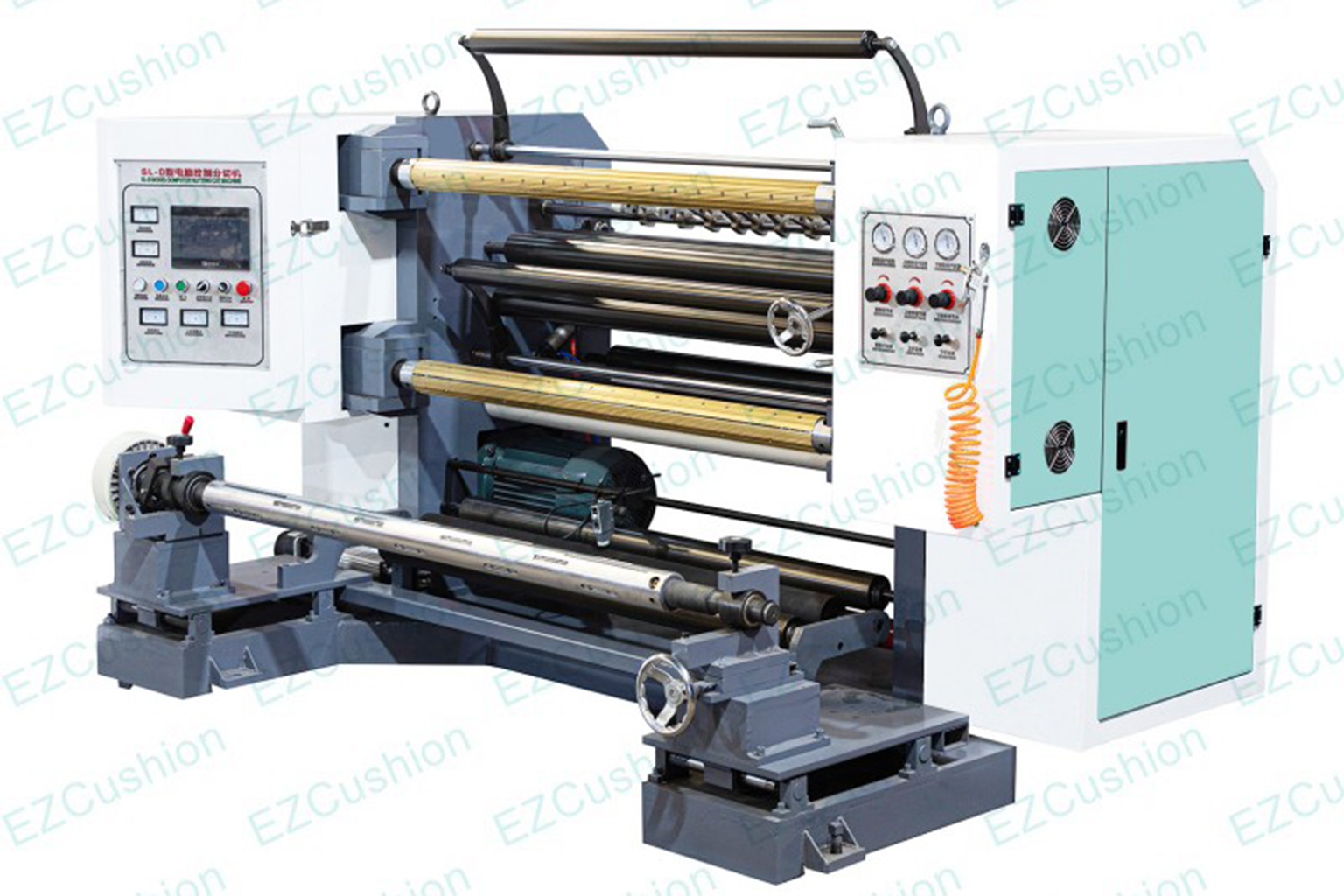
Speeds Up Protective Packaging Preparation
One of the main advantages of paper cushion machinery is its ability to produce protective packaging materials more efficiently. Depending on the machine design, it can convert paper into cushioning material on demand, reducing the time employees spend manually preparing packaging.
For businesses processing a high volume of orders, faster material preparation can help packaging teams handle more shipments within the same working period. Operators can obtain paper cushioning materials as needed rather than relying entirely on manually prepared or preformed packaging supplies.
The actual productivity improvement depends on the machine’s processing speed, feeding width, operating settings, and the amount of cushioning required for each package. Choosing equipment that matches the expected workload helps businesses maintain a steady packaging pace.
Reduces Manual Labor and Repetitive Tasks
Manual packaging operations often involve repeatedly cutting, folding, crumpling, or arranging paper materials. These tasks can consume considerable time when order volumes increase.
Paper cushion machinery automates some of these preparation steps, allowing employees to focus more on product handling, package assembly, order verification, and other value-added activities. This can improve labor allocation and reduce repetitive manual work at packing stations.
For larger fulfillment centers, multiple packing stations may benefit from standardized equipment and operating procedures. Smaller businesses can also improve efficiency by selecting compact machines that simplify everyday packaging tasks without requiring a complex production setup.
Although machinery does not eliminate all manual packaging work, it can help create a more organized and productive workflow.
Produces Consistent Cushioning Materials
Consistent packaging quality is essential for protecting products during handling and transportation. When cushioning materials are prepared manually, their size, density, and shape may vary depending on the operator and the packaging task.
Paper cushion machinery can help standardize material production through controlled feeding, forming, and operating settings. Consistent output makes it easier for packaging teams to apply repeatable packing procedures and achieve more uniform results.
This is particularly useful for businesses shipping similar products in large quantities. Standardized cushioning materials can simplify staff training, improve packaging consistency, and reduce unnecessary adjustments during order fulfillment.
However, consistent machine output does not automatically guarantee adequate product protection. Businesses should still evaluate cushioning performance based on product weight, fragility, carton dimensions, and shipping conditions.
Supports On-Demand Packaging and Reduces Storage Needs
Traditional packaging operations may require businesses to store large quantities of preformed cushioning materials. These supplies can occupy valuable warehouse space and create additional handling requirements.
Paper cushion machinery allows suitable paper to be converted into cushioning materials when needed. Depending on production demand and machine capacity, businesses may be able to reduce their reliance on bulky, preformed packaging supplies and keep more space available for inventory and order processing.
On-demand production can also improve flexibility when packaging requirements change throughout the day. Employees can prepare cushioning materials according to the size and protection needs of individual shipments.
To maximize this benefit, businesses should plan paper storage, machine placement, and material replenishment carefully. On-demand production still requires sufficient paper inventory and a reliable feeding process.
Helps Optimize Packaging Material Usage
Packaging efficiency is not determined by speed alone. Material consumption also affects operating costs, waste generation, and overall resource utilization.
Paper cushion machinery can help businesses produce cushioning materials in quantities appropriate for their packaging tasks. Adjustable settings, suitable paper selection, and standardized packing procedures can reduce unnecessary material use while maintaining sufficient protection.
For example, operators can select appropriate cushioning quantities for different carton sizes rather than using excessive material for every shipment. Consistent production may also make it easier to establish internal packaging standards and monitor paper consumption.
The results depend on the machine’s capabilities and the company’s packaging procedures. Businesses should test different paper specifications and cushioning configurations to identify a practical balance between product protection and material efficiency.
Improves Workflow Organization at Packing Stations
An efficient packaging process depends on how equipment, materials, employees, and finished packages work together. Paper cushion machinery can support a more organized packing station by making protective materials available close to where they are needed.
When the machine is positioned appropriately, operators can access cushioning materials without repeatedly walking to a separate storage area or waiting for manually prepared supplies.
Businesses should consider the available workspace, carton flow, operator movement, electrical requirements, and paper replenishment when planning equipment placement. For higher-volume operations, integrating paper cushion machinery into existing packing lines may help reduce unnecessary handling and interruptions.
A well-organized layout can improve the practical value of the equipment, even when the machine’s rated processing speed remains unchanged.
Helps Control Long-Term Packaging Costs
Packaging costs include more than the price of cushioning materials. Labor, storage space, equipment maintenance, material waste, and production downtime also influence total operating expenses.
By automating material preparation and supporting more consistent packaging procedures, paper cushion machinery may help businesses reduce some of these costs. Producing cushioning materials when needed can also improve inventory management and reduce dependence on certain preformed packaging supplies.
Before investing in equipment, businesses should compare the initial purchase price with expected operating costs and productivity benefits. Important considerations include machine capacity, energy consumption, compatible paper prices, maintenance schedules, spare parts, and operator training.
A machine with a higher purchase price may provide better long-term value if it meets production requirements efficiently. However, the best investment depends on actual packaging volume and the cost of the existing process.
Supports More Flexible and Sustainable Packaging Operations
Many businesses are evaluating paper-based packaging materials as part of their efforts to reduce reliance on plastic cushioning. Paper cushioning can provide a practical option for void filling, wrapping, and protecting suitable products during transportation.
Paper cushion machinery supports this approach by enabling businesses to convert compatible paper into protective packaging materials according to demand. It may also simplify material management when a company uses paper cushioning across multiple product categories.
However, the environmental impact of paper packaging depends on factors such as paper sourcing, recycled content, energy consumption, transportation, and local recycling infrastructure. Switching to paper does not automatically make every packaging process more sustainable.
Businesses should evaluate the complete packaging system to ensure that the selected materials provide adequate protection while meeting their environmental and operational objectives.
How to Maximize the Efficiency of Paper Cushion Machinery
To achieve the best results, businesses should match the equipment to their actual packaging requirements. Before purchasing a machine, assess average daily order volume, peak-season demand, product dimensions, paper specifications, and available workspace.
Once the machine is installed, use the recommended paper materials and operating settings. Train operators to load paper correctly, adjust settings appropriately, identify common problems, and follow safety procedures. Regular cleaning, inspection, and preventive maintenance can help reduce unexpected interruptions.
It is also useful to monitor practical performance indicators, such as packages completed per hour, paper consumption per package, labor time, machine downtime, and packaging-related damage. Reviewing these measurements helps businesses identify bottlenecks and determine whether adjustments to machine settings or workflow arrangements are needed.
Rather than relying on rated machine speed alone, evaluate efficiency based on the performance of the entire packaging process.
Conclusion
Paper cushion machinery can improve packaging efficiency by accelerating cushioning material preparation, reducing repetitive manual tasks, producing more consistent output, supporting on-demand production, and helping businesses organize their packing stations.
For e-commerce companies, fulfillment centers, logistics providers, packaging suppliers, and manufacturers, the right equipment can also contribute to better material management and more controlled operating costs.
To achieve these benefits, businesses should choose machinery based on production capacity, paper compatibility, automation requirements, maintenance needs, and long-term operating expenses. Combined with appropriate operator training and workflow planning, paper cushion machinery can become a valuable part of an efficient protective packaging process.
FAQs
1. What is paper cushion machinery used for?
Paper cushion machinery is used to convert paper into protective packaging materials for wrapping products, filling empty spaces in cartons, and reducing product movement during transportation. It is commonly used in e-commerce, logistics, warehousing, manufacturing, and fulfillment operations.
2. How does paper cushion machinery improve packaging efficiency?
Paper cushion machinery improves packaging efficiency by speeding up cushioning material preparation, reducing repetitive manual tasks, and providing more consistent output. It can also support on-demand production, streamline packing station workflows, and help businesses manage packaging materials more effectively.
3. Can paper cushion machinery reduce labor costs?
Yes. By automating certain material preparation tasks, paper cushion machinery can reduce the time employees spend cutting, folding, or manually preparing cushioning materials. Actual labor savings depend on machine capacity, packaging volume, automation features, and workflow organization.
4. How does paper cushion machinery help reduce packaging waste?
Paper cushion machinery can help control material consumption by producing cushioning materials according to packaging requirements. Appropriate machine settings, paper selection, and standardized packing procedures can reduce unnecessary material use while maintaining adequate product protection.
5. Is paper cushion machinery suitable for high-volume packaging operations?
Yes. Depending on its processing speed and production capacity, paper cushion machinery can support high-volume packaging operations in fulfillment centers, distribution facilities, and manufacturing plants. Businesses should select equipment based on average output, peak demand, and the requirements of their packaging workflow.
6. What types of paper can paper cushion machinery process?
Paper compatibility depends on the machine model and its feeding and forming mechanisms. Some machines can process different types of kraft paper or other suitable packaging paper within specified thickness and width ranges. Buyers should confirm material specifications with the manufacturer before purchasing.


