

Introduction
Cardboard waste is generated in large quantities by warehouses, e-commerce businesses, logistics centers, retailers, manufacturers, and packaging companies. Shipping cartons, corrugated boxes, and other paper-based packaging can quickly occupy valuable storage space if they are not processed efficiently.
A Heavy Duty Paper Cardboard Shredder provides a practical way to process this waste. By feeding cardboard into a mechanical cutting system, the machine breaks down bulky material into smaller pieces or a structured output that can be used for recycling, waste volume reduction, or protective packaging.
But how exactly does a heavy duty cardboard shredder work?
Understanding the basic working process can help businesses choose suitable equipment, operate it correctly, and determine whether a particular machine is appropriate for their cardboard processing requirements.
What Is a Heavy Duty Paper Cardboard Shredder?
A heavy duty paper cardboard shredder is an industrial processing machine designed to handle cardboard and compatible paper-based materials at higher volumes than conventional shredders.
Depending on the machine design, it may process:
Corrugated cardboard boxes
Single-wall cardboard
Double-wall cardboard
Cardboard sheets
Paperboard
Shipping cartons
Other compatible paper-based packaging materials
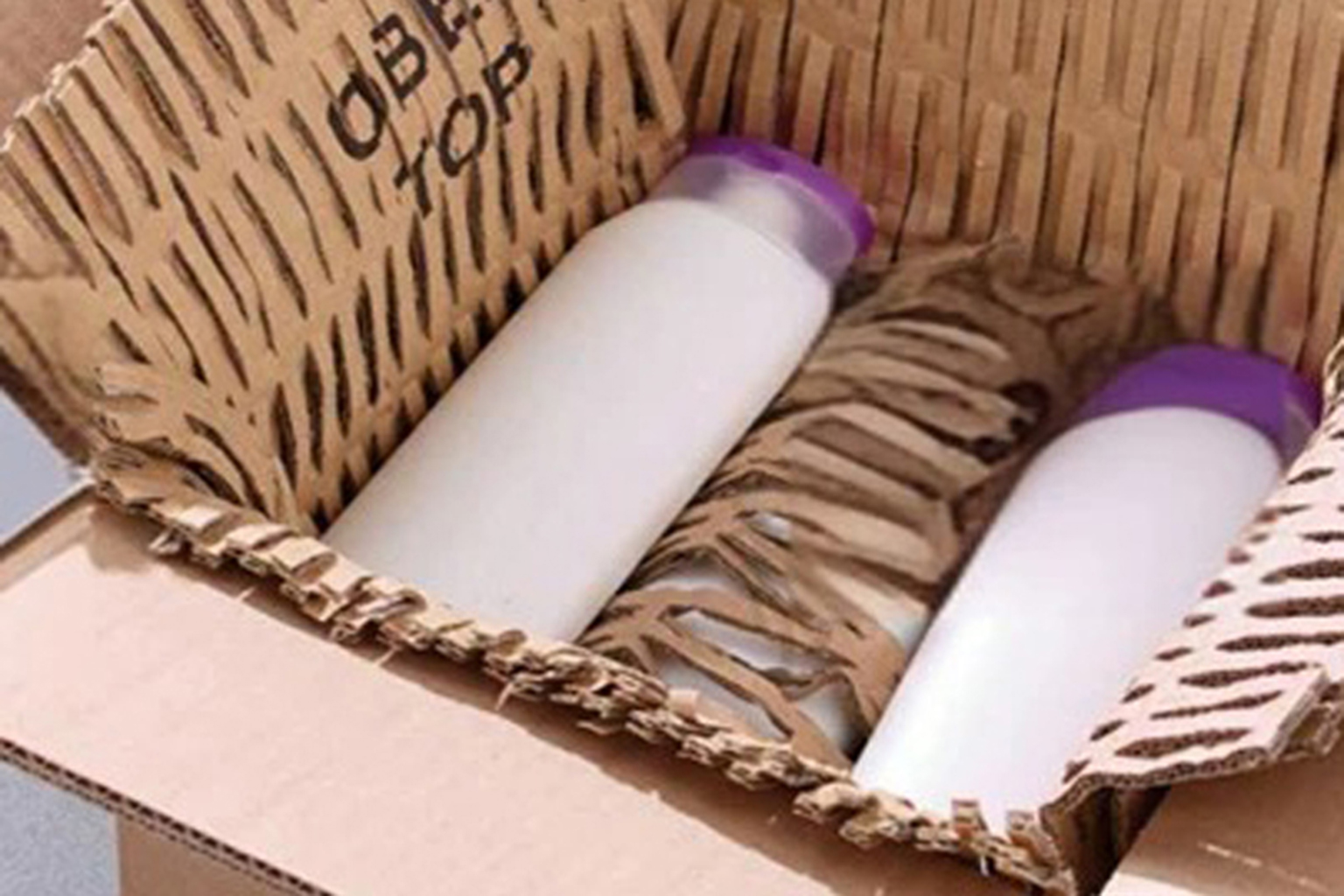
The processed material can be used for different purposes, including waste volume reduction, recycling preparation, cushioning, void filling, and protective packaging.
The exact materials and thicknesses that can be processed depend on the machine’s cutting system and manufacturer’s specifications.
How Does a Heavy Duty Cardboard Shredder Work?
The basic process can be divided into several stages:
Material Feeding → Material Entry → Cutting → Size Reduction → Output Collection
Although the internal construction varies between machines, the basic principle is relatively straightforward.
1. Cardboard Is Prepared for Feeding
Before cardboard enters the machine, unsuitable materials should be removed.
For example, operators may need to remove:
Plastic packaging
Metal parts
Excessive tape
Other non-compatible materials
Large boxes may also need to be flattened or prepared according to the machine’s feeding requirements.
Proper material preparation helps maintain stable operation and reduces the risk of blockages or damage.
2. Cardboard Enters Through the Feed Opening
The prepared cardboard is introduced through the machine’s feed opening.
The size of this opening is important because it determines how easily different cardboard formats can be processed.
A larger feed opening can reduce the amount of manual preparation required for larger cartons, while a smaller opening may be more appropriate for compact equipment or lower-volume applications.
Once the material enters the machine, the feeding system directs it toward the cutting mechanism.
3. The Drive System Powers the Cutting Mechanism
The motor provides the power needed to process the cardboard.
In a heavy duty machine, the drive system is designed to provide sufficient torque for demanding workloads. Depending on the equipment, the motor may drive cutting shafts, rollers, blades, or other mechanical components.
The relationship between motor power and cutting performance is important.
A machine processing thick or dense cardboard requires an appropriately matched drive system. However, selecting the highest motor power available is not always necessary. The motor should be matched to the material, processing volume, and operating cycle.
4. Cutting Components Process the Cardboard
Once cardboard reaches the cutting area, mechanical cutting components break it down.
Different machines can use different cutting configurations. Depending on the design, these may produce shredded pieces, strips, perforated cardboard, or other output forms.
The cutting system determines important characteristics such as:
Output size
Output structure
Processing speed
Material compatibility
Cutting consistency
For businesses that intend to reuse processed cardboard as packaging material, output structure can be particularly important.
5. Cardboard Is Reduced to the Desired Output
As cardboard passes through the cutting mechanism, its original large and bulky structure is reduced.
This can provide two major benefits.
First, the cardboard becomes easier to handle and store. Second, depending on the machine’s cutting configuration, the processed material may become suitable for reuse as protective packaging.
For example, processed cardboard can potentially be used as:
Void filling
Cushioning material
Protective wrapping
Packaging filler
Recycling feedstock
The final application depends on the output produced by the specific machine.
6. Processed Material Is Collected
After cutting, the processed cardboard exits the machine and is collected in a designated area or container.
An efficient output collection system helps prevent material from accumulating around the machine and keeps the workspace organized.
For high-volume applications, businesses should consider how the output will be collected, stored, transported, or fed into the next packaging process.
Key Components of a Heavy Duty Cardboard Shredder
Understanding the major components can make the working principle easier to visualize.
Motor
The motor provides the mechanical power required to operate the cutting system. Motor specifications should be matched to the intended cardboard type and workload.
Drive System
The drive system transfers motor power to the cutting mechanism. Its design affects torque transmission, operating stability, and overall machine performance.
Feed Opening
The feed opening is where cardboard enters the machine. Its dimensions influence the size of material that can be processed without additional preparation.
Cutting Mechanism
The cutting mechanism performs the actual size reduction. Its design determines the resulting output characteristics and affects processing performance.
Machine Frame
The frame supports the motor, drive system, cutting components, and other equipment. Heavy duty machines generally require robust construction to withstand demanding operating conditions.
Control System
The control system allows operators to start, stop, monitor, and control the machine. Depending on the model, it may also incorporate overload protection, emergency stop functions, and other safety features.
Output Area
The output section directs processed cardboard away from the cutting area for collection or further use.
What Happens If the Cardboard Is Too Thick?
Material thickness is an important operating factor.
If cardboard exceeds the machine’s recommended specifications, the cutting system may experience excessive resistance. This can increase the load on the motor and mechanical components and may result in unstable operation or blockage.
For this reason, businesses should always check:
Maximum cardboard thickness
Maximum feed dimensions
Recommended material types
Maximum processing capacity
Operating cycle
A heavy duty designation does not mean that a machine can process unlimited material thickness.
How Does the Shredder Prevent Blockages?
Cardboard shredders can encounter blockages when unsuitable materials are fed into the machine, too much material is introduced at once, or the material exceeds the machine’s capacity.
Depending on the model, protective functions may include:
Overload protection
Automatic reversing
Emergency stop
Motor protection
Controlled feeding
Safety switches
Correct feeding practices are equally important. Operators should follow the manufacturer’s recommended feeding rate and material specifications.
How Does a Heavy Duty Cardboard Shredder Improve Efficiency?
The primary advantage is that it reduces the amount of manual cardboard handling.
Without a shredding machine, employees may need to:
Break down cardboard boxes manually.
Stack or store bulky waste.
Transport the waste to a recycling or disposal area.
Purchase separate packaging filler when needed.
A suitable cardboard shredding machine can combine several of these processes into a more streamlined workflow.
For businesses that reuse the processed cardboard, the machine can also turn a waste stream into a useful packaging resource.
Cardboard Shredding vs. Cardboard Recycling
Cardboard shredding and recycling are related but not identical processes.
Shredding mechanically reduces cardboard into smaller pieces or another usable form. Recycling is a broader process that may involve sorting, pulping, cleaning, de-inking, and producing new paper-based products.
A heavy duty cardboard shredder can therefore be used as part of a recycling or waste management process, but shredding alone does not constitute complete recycling.
This distinction is important when planning a waste management system.
How Is Shredded Cardboard Used in Packaging?
One increasingly useful application is converting waste cardboard into protective packaging material.
Depending on the output structure, processed cardboard can be used to:
Fill empty spaces inside cartons
Protect products from movement
Provide cushioning
Separate products
Reduce reliance on purchased packaging filler
This approach can be particularly useful for e-commerce warehouses and businesses that receive large amounts of cardboard from incoming shipments.
Instead of treating every used box as waste, suitable cardboard can become a secondary packaging resource.
Factors That Affect Shredding Performance
The performance of a heavy duty paper cardboard shredder depends on several variables.
Cardboard Type
Different cardboard structures require different amounts of cutting force.
Material Thickness
Thicker cardboard generally places greater demands on the cutting system.
Feeding Rate
Overfeeding can increase machine load and reduce stable processing performance.
Motor Power
The motor needs to provide sufficient power for the intended workload.
Cutting Configuration
Different cutting systems produce different output sizes and structures.
Operating Conditions
Continuous use, temperature, moisture, and maintenance conditions can affect equipment performance.
Understanding these factors allows businesses to use the machine more efficiently.
Safety Considerations When Operating a Cardboard Shredder
Because cardboard shredders contain moving cutting components, proper operating procedures are essential.
Operators should:
Read the manufacturer’s operating instructions.
Keep hands away from the feed opening.
Remove incompatible materials before feeding.
Avoid overloading the machine.
Use emergency stop functions when necessary.
Perform maintenance only according to approved procedures.
Keep unauthorized personnel away from operating equipment.
Safety features can reduce operational risks, but they should always be combined with proper training and working procedures.
Maintenance and Long-Term Performance
Regular maintenance helps maintain stable shredding performance and reduce unexpected downtime.
Depending on the machine, routine maintenance may include:
Cleaning the machine
Inspecting cutting components
Checking the drive system
Lubricating specified components
Inspecting electrical connections
Checking safety devices
Replacing worn components
Maintenance requirements vary between machines, so operators should follow the manufacturer’s recommended schedule.
Why Choose a Heavy Duty Model?
A heavy duty cardboard shredder can be particularly useful when cardboard processing is a regular part of daily operations.
Compared with equipment intended for light workloads, a heavy duty model may provide:
Higher processing capacity
Greater suitability for demanding materials
Longer operating capability
More robust construction
Reduced manual handling
Better integration into high-volume workflows
However, the correct machine should always be selected based on actual requirements rather than the heavy duty label alone.
Conclusion
A Heavy Duty Paper Cardboard Shredder works by feeding cardboard into a mechanical cutting system that reduces bulky material into smaller pieces or reusable packaging output. The basic process involves material preparation, feeding, mechanical cutting, size reduction, and output collection.
Motor power, drive design, cutting components, feed opening, material thickness, and operating conditions all influence the machine’s performance.
For warehouses, e-commerce businesses, logistics companies, manufacturers, retailers, and packaging operations, understanding how a cardboard shredder works makes it easier to select suitable equipment and establish an efficient processing workflow.
When the machine is correctly matched to the material and workload, waste cardboard can be handled more efficiently and, where appropriate, converted into useful packaging material instead of being treated solely as waste.
FAQ
1. What is a Heavy Duty Paper Cardboard Shredder?
A Heavy Duty Paper Cardboard Shredder is an industrial machine designed to process cardboard and compatible paper-based materials. It uses a mechanical cutting system to reduce bulky cardboard into smaller pieces, strips, or other forms suitable for recycling or packaging applications.
2. How does a heavy duty cardboard shredder work?
The basic process involves feeding, cutting, size reduction, and output collection. Cardboard enters through the feed opening, where a motor-driven cutting mechanism processes the material and produces the desired output.
3. What types of cardboard can a heavy duty shredder process?
Depending on the machine, it may process single-wall corrugated cardboard, double-wall cardboard, cardboard sheets, shipping cartons, paperboard, and other compatible paper-based packaging materials. The manufacturer’s specifications should always be checked for material compatibility.
4. Can a cardboard shredder process thick cardboard?
Yes, heavy duty models can be designed to handle thicker or denser cardboard than lighter-duty machines. However, the maximum material thickness depends on the cutting mechanism, motor power, and machine configuration.
5. What determines the output size of shredded cardboard?
The output size and structure depend primarily on the cutting mechanism and machine configuration. Different cutting systems can produce different forms of processed cardboard for waste reduction, recycling, cushioning, or protective packaging.


