

Introduction
Cardboard waste is a common byproduct of e-commerce, warehousing, logistics, retail, manufacturing, and packaging operations. As businesses handle more cartons and shipping materials, manually breaking down cardboard can consume valuable time, occupy storage space, and increase waste handling costs.
A Heavy Duty Cardboard Shredder can help businesses process large quantities of cardboard more efficiently. However, not every operation requires an industrial-grade machine. Standard cardboard shredders can be a better fit for smaller workloads and less demanding applications.
So, what is the actual difference between a heavy duty cardboard shredder and a standard model? The answer involves more than machine size. Processing capacity, material thickness, motor power, operating time, feed opening, machine construction, output requirements, and maintenance should all be considered.
What Is a Standard Cardboard Shredder?
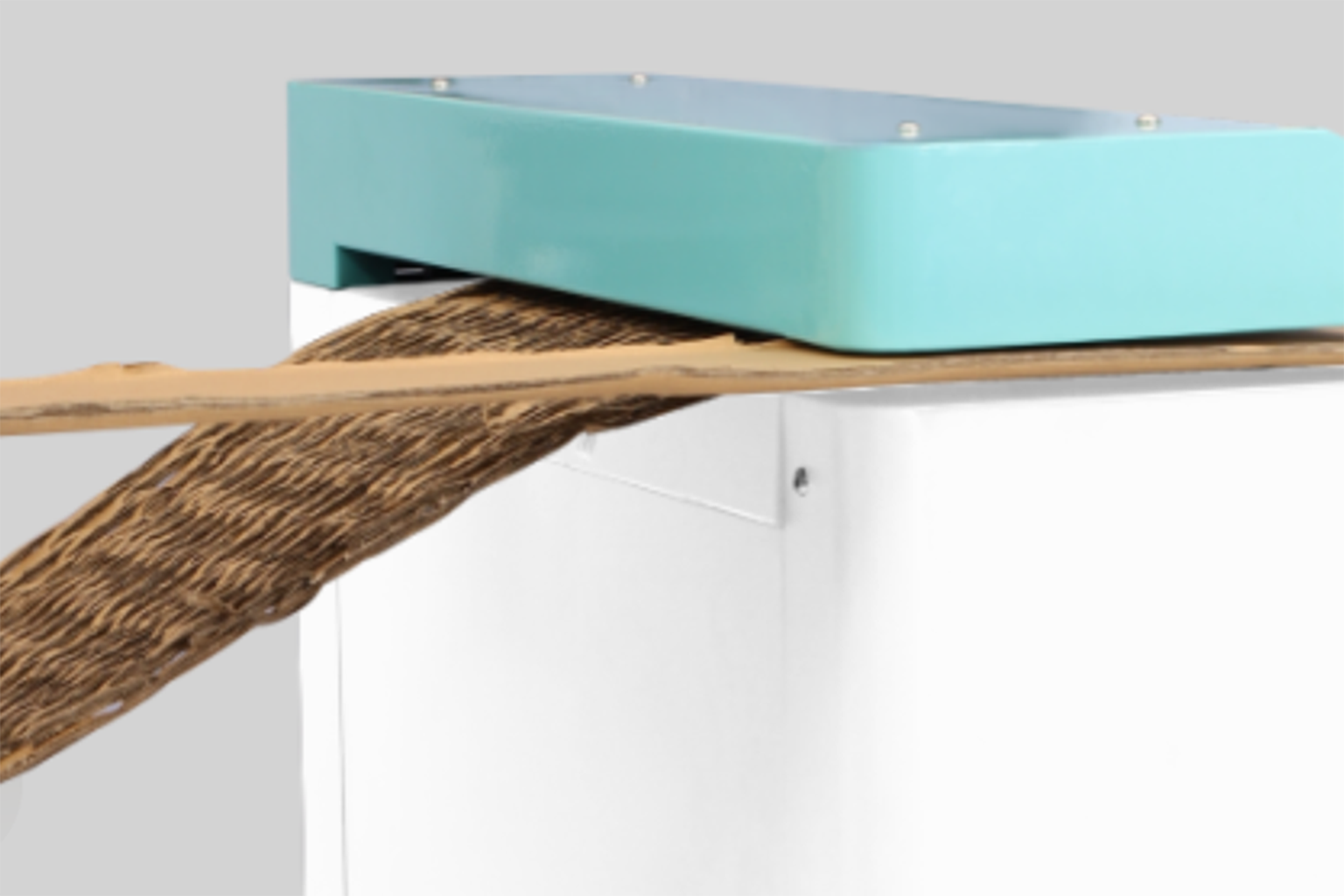
A standard cardboard shredder is generally intended for light to moderate cardboard processing.
It can be suitable for small businesses, offices, retail stores, small warehouses, and other operations that generate a relatively limited amount of cardboard waste. These machines are often designed to process common corrugated cartons and paper-based packaging without the need for high-volume industrial operation.
Typical characteristics include:
Compact machine design
Moderate processing capacity
Lower power consumption
Smaller feed opening
Suitable for lighter cardboard
Intermittent or moderate operating requirements
Relatively simple operation
For businesses with limited cardboard waste, a standard machine may provide sufficient performance without the cost and footprint of a heavy duty system.
What Is a Heavy Duty Cardboard Shredder?
A Heavy Duty Cardboard Shredder is designed for more demanding processing environments where cardboard is generated in larger quantities or processed more frequently.
These machines are commonly considered for warehouses, distribution centers, e-commerce fulfillment facilities, manufacturers, logistics companies, and packaging operations.
Depending on the model, heavy duty equipment may offer:
Higher processing capacity
More powerful drive systems
Larger feeding openings
Stronger cutting components
More durable machine construction
Longer operating cycles
Greater suitability for demanding cardboard materials
The exact performance varies by machine, so buyers should always compare the manufacturer’s technical specifications rather than relying only on the “heavy duty” designation.
1. Processing Capacity
Processing capacity is one of the clearest differences between the two machine types.
A standard cardboard shredder can work well when cardboard waste is generated at a relatively low rate. If employees only need to process a few boxes periodically, investing in a high-capacity industrial machine may not provide enough additional value to justify the cost.
In contrast, high-volume facilities may need to process cardboard continuously throughout the working day. In this situation, a heavy duty cardboard shredder can be more appropriate.
When comparing capacity, look beyond a single output figure. Consider:
Cardboard volume per hour
Daily cardboard volume
Maximum feed width
Material thickness
Feeding method
Recommended operating cycle
The machine should be capable of handling your peak workload, not just your average daily volume.
2. Motor Power
Motor power affects the machine’s ability to handle demanding cardboard materials and workloads.
Standard shredders generally use a drive system suited to lighter applications. Heavy duty cardboard shredders may use more powerful motors and stronger transmission components to provide greater cutting force.
However, higher motor power is not automatically better.
If a business processes only a small quantity of thin cardboard, an oversized machine can increase the initial investment and energy requirements without delivering meaningful benefits.
A better approach is to match motor performance with the:
Cardboard thickness + Processing volume + Operating frequency
This creates a more practical balance between performance and operating costs.
3. Cardboard Thickness and Material Type
Cardboard varies considerably in thickness and construction.
Common materials include:
Single-wall corrugated cardboard
Double-wall corrugated cardboard
Multilayer cardboard
Paperboard
Shipping cartons
Other compatible paper-based packaging
A standard cardboard shredder may be suitable for lighter materials, while heavy duty equipment may be designed to handle thicker or denser cardboard.
Before choosing a machine, check the manufacturer’s specifications for:
Maximum material thickness
Compatible cardboard types
Maximum material dimensions
Moisture limitations
Recommended feeding conditions
This is particularly important for businesses that process a mixture of different cardboard materials.
4. Operating Time
How often the machine runs can be just as important as how much cardboard it processes.
A small retailer might use a cardboard shredder for short periods each day. A distribution center, on the other hand, may need to process cardboard throughout multiple working shifts.
Heavy duty models are generally more suitable for intensive applications, but buyers should verify the machine’s recommended operating cycle.
Important specifications may include:
Continuous operating capability
Motor cooling
Overload protection
Thermal protection
Automatic shutdown
Emergency stop functions
Choosing equipment based on actual operating conditions can help reduce unnecessary downtime and component wear.
5. Feed Opening
The feed opening determines how easily cardboard can enter the machine.
A smaller opening may require operators to flatten, cut, or divide large cartons before feeding them into the shredder. While this may be acceptable for low-volume operations, repeated preparation can become inefficient in a busy warehouse.
A heavy duty cardboard shredder may provide a larger feeding area, allowing larger pieces to be processed with less preparation, depending on the specific design.
Before purchasing, consider the typical dimensions of your cardboard waste and ask:
How much preparation will operators need to do before feeding the machine?
Reducing unnecessary material handling can improve overall workflow efficiency.
6. Cutting Performance and Output
The cutting system determines how cardboard is processed and what type of material is produced.
Different applications may require different output characteristics. For example, a business may want to:
Reduce cardboard volume
Prepare material for recycling
Produce packaging filler
Create cushioning material
Reuse cardboard for protective packaging
If processed cardboard will be reused for packaging, output size and consistency become particularly important.
Rather than choosing a machine based solely on shredding speed, businesses should determine what the final material needs to look like and then select a suitable cutting configuration.
7. Machine Construction and Durability
Heavy duty cardboard shredders are generally built for more demanding workloads.
Depending on the design, they may incorporate reinforced frames, industrial-grade motors, stronger cutting components, and more durable transmission systems.
Standard machines can use lighter construction because they are not necessarily expected to operate under the same workload.
For businesses running equipment for many hours per day, consider:
Frame construction
Cutting component durability
Motor protection
Drive system design
Component quality
Spare parts availability
Durability should be evaluated in relation to workload rather than simply choosing the heaviest machine available.
8. Space and Installation Requirements
A standard cardboard shredder may have a smaller footprint and can be easier to install in a limited workspace.
Heavy duty machines can require more room for the machine itself, material feeding, output collection, and maintenance access.
Before installation, consider the complete working area:
Machine footprint
Material loading zone
Operator position
Output collection area
Maintenance access
Cardboard storage
A machine that fits the floor plan but leaves insufficient operating space may reduce rather than improve workflow efficiency.
9. Maintenance Requirements
Both standard and heavy duty cardboard shredders require routine maintenance, but machines used for high-volume processing may experience greater wear.
Maintenance requirements can include:
Cleaning
Lubrication
Cutting component inspection
Blade or cutter replacement
Electrical inspection
Drive system checks
Safety system inspection
Ask the supplier about recommended maintenance intervals and the availability of replacement components before purchasing.
Easy access to maintenance parts can reduce downtime and make routine servicing more efficient.
10. Initial Cost vs. Long-Term Value
A standard cardboard shredder will often have a lower initial purchase price, making it attractive for smaller businesses.
A heavy duty machine may require a larger investment, but the additional capacity can be worthwhile for businesses with high cardboard volumes.
The better comparison is not simply:
Which machine costs less?
Instead, ask:
Which machine provides the right performance for the total cost of ownership?
Consider:
Purchase price
Electricity consumption
Labor requirements
Maintenance costs
Spare parts
Downtime
Waste disposal
Potential packaging material savings
For a low-volume application, a standard machine may offer better value. For a high-volume operation, insufficient capacity can make a cheaper machine more expensive over time.
Heavy Duty vs. Standard Cardboard Shredder: Comparison
| Feature | Standard Cardboard Shredder | Heavy Duty Cardboard Shredder |
| Application | Light to moderate workloads | Moderate to high workloads |
| Processing capacity | Lower | Higher |
| Motor power | Generally lower | Generally higher |
| Material handling | Lighter cardboard | More demanding materials, depending on model |
| Operating frequency | Intermittent or moderate | Frequent or intensive |
| Feed opening | Generally smaller | Often larger |
| Construction | Compact and lightweight | More robust |
| Space requirement | Lower | Higher |
| Initial investment | Lower | Higher |
| Best suited for | Small businesses and low-volume applications | Warehouses, logistics, manufacturing, and high-volume operations |
These are general differences. Actual specifications can vary between machine models and manufacturers.
Which Cardboard Shredder Should You Choose?
The right choice depends on your operating requirements.
A Standard Cardboard Shredder May Be Suitable If:
You generate a relatively small amount of cardboard waste.
Cardboard processing is occasional.
Most materials are thin or moderate in thickness.
You have limited installation space.
You want a more economical entry-level solution.
High-volume continuous operation is not required.
A Heavy Duty Cardboard Shredder May Be Better If:
Your business generates large amounts of cardboard.
The machine will operate frequently or for long periods.
You process thicker or denser cardboard.
You need higher processing capacity.
Large pieces of cardboard are common.
You operate a warehouse, distribution center, manufacturing facility, or packaging operation.
Conclusion
The choice between a Heavy Duty Cardboard Shredder and a standard cardboard shredder should be based on your actual workload rather than machine size or purchase price alone.
Standard models can be suitable for businesses with relatively low cardboard volumes and occasional processing needs. Heavy duty cardboard shredders are more appropriate for demanding applications where higher capacity, extended operation, stronger cutting performance, and greater durability are required.
Before making a purchase, evaluate cardboard type, material thickness, processing volume, motor power, feed opening, operating cycle, output requirements, available space, maintenance, and total cost of ownership.
By matching the machine to your real production needs, you can improve cardboard processing efficiency while avoiding the cost of equipment that is either underpowered or unnecessarily oversized.
FAQ
1. What is the main difference between a heavy duty cardboard shredder and a standard cardboard shredder?
The main difference is their processing capacity, operating requirements, and material-handling capability. Heavy duty cardboard shredders are designed for higher-volume and more demanding applications, while standard models are generally suitable for light to moderate cardboard processing.
2. Is a heavy duty cardboard shredder better than a standard model?
Not necessarily. The better option depends on your workload. A Heavy Duty Cardboard Shredder is more suitable for frequent, high-volume processing, while a standard shredder may be more economical for businesses with smaller or occasional cardboard waste.
3. Can a heavy duty cardboard shredder process thicker cardboard?
Many heavy duty models are designed to handle more demanding cardboard materials, but the actual maximum thickness depends on the machine’s specifications. Always check the manufacturer’s recommended material thickness before purchase.
4. Does a heavy duty cardboard shredder have a higher processing capacity?
Generally, yes. Heavy duty models are designed for higher workloads and may offer greater processing capacity, larger feed openings, and stronger drive systems. Actual capacity depends on cardboard type, thickness, feeding method, and machine configuration.
5. Can a standard cardboard shredder be used in a warehouse?
Yes, if the warehouse generates a relatively small or moderate amount of cardboard waste. For high-volume warehouses or distribution centers, a heavy duty model may be more suitable because it can better support frequent or extended operation.


