

Introduction
As businesses look for more sustainable protective packaging options, kraft paper cushioning materials are becoming an increasingly attractive alternative to conventional plastic packaging. A kraft paper bubble making machine enables manufacturers and packaging suppliers to process kraft paper into structured cushioning materials used to protect products during storage, handling, and transportation.
However, choosing the right machine requires more than comparing purchase prices or production speeds. Businesses need to evaluate paper compatibility, forming technology, output capacity, finished material quality, automation, maintenance requirements, and long-term operating costs. The right equipment should meet current production needs while providing enough flexibility to accommodate future business growth.
This guide explains the key factors to consider when selecting a kraft paper bubble making machine, helping packaging manufacturers, e-commerce businesses, and distributors make informed purchasing decisions.
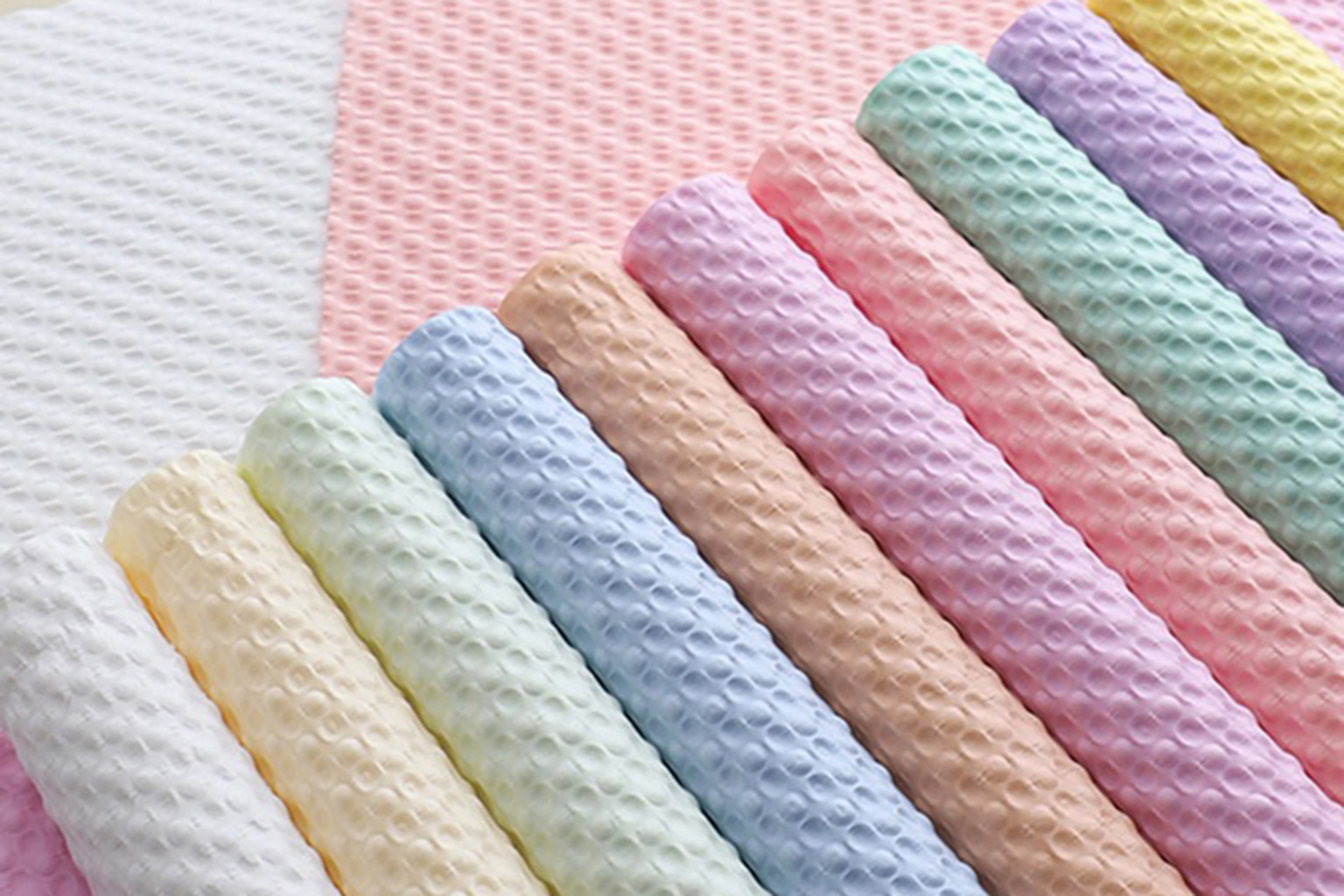
Identify Your Packaging Requirements
Before comparing machine models, determine what type of protective packaging your business needs to produce. Different products require different cushioning structures, material strengths, and packaging methods.
For example, e-commerce companies may need flexible paper cushioning for filling empty spaces inside shipping cartons, while packaging manufacturers may require equipment capable of producing consistent materials for large-scale distribution. Businesses packaging fragile products should pay particular attention to cushioning performance and the ability to protect items against movement and minor impacts.
You should also consider the size, weight, fragility, and shipping conditions of the products being packaged. These requirements help determine the appropriate paper structure, output dimensions, and machine configuration.
Check Kraft Paper Compatibility
Paper compatibility is one of the most important factors when choosing a kraft paper bubble making machine. Not every machine can process every paper specification, and unsuitable material may cause feeding problems, inconsistent forming, or excessive waste.
Paper Grammage and Thickness
Kraft paper grammage affects its strength, flexibility, and forming behavior. Lightweight paper may be suitable for certain cushioning applications, while heavier paper may be needed for products requiring greater structural support. However, the appropriate specification depends on the machine’s forming mechanism and the intended packaging application.
Paper Width and Roll Dimensions
Check the supported paper width, roll diameter, core size, and maximum roll weight. These specifications determine whether the machine can accommodate your preferred raw materials and production arrangements.
Paper Quality and Consistency
Paper strength, moisture content, surface characteristics, and dimensional consistency can influence feeding stability and forming quality. Ask the manufacturer to confirm the recommended paper specifications and test representative samples before purchasing the equipment.
Evaluate Production Capacity and Operating Speed
Production capacity should match your actual packaging volume rather than simply reflect the highest advertised machine speed.
Start by estimating your daily or monthly demand for finished cushioning material. Consider the number of operating hours, production shifts, packaging stations, and expected business growth. A machine with insufficient capacity may create production bottlenecks, while an oversized system may increase capital investment and operating costs without providing meaningful benefits.
When comparing models, ask manufacturers for rated production speed and expected output under your specific paper and operating conditions. Also consider setup time, material changes, operator involvement, and downtime when estimating practical production capacity.
For businesses with fluctuating demand, adjustable production speed and flexible operating settings can help balance output with material consumption.
Compare Forming Technology and Finished Material Quality
The forming mechanism determines the structure of the finished paper cushioning material. Depending on the equipment design, the machine may produce bubble-like structures, folded cushioning, or other paper-based protective materials.
Before purchasing, confirm exactly what the machine produces. The term kraft paper bubble making machine can be used differently by equipment suppliers, so product descriptions alone may not fully explain the forming process or final output.
Request samples or arrange a production demonstration to evaluate the material’s structure, consistency, flexibility, and suitability for your packaging applications. If you plan to package fragile or high-value products, conduct practical packaging tests to assess whether the material provides adequate protection during handling and transportation.
Consistent forming quality is particularly important for packaging manufacturers that supply cushioning materials to multiple customers with different requirements.
Consider Automation and Ease of Operation
Automation can influence labor requirements, production consistency, and overall workflow efficiency. The right automation level depends on your production volume, available workforce, and budget.
Basic machines may require more manual intervention during paper feeding, cutting, or material collection. More advanced models may offer adjustable speed, automatic feeding, length control, cutting functions, or digital operating interfaces.
For small businesses with limited production demand, a straightforward machine may be sufficient and easier to manage. Larger packaging operations may benefit from automated functions that reduce repetitive tasks and improve production continuity.
When evaluating automation, consider not only the number of automated features but also their practical value. A feature is worthwhile when it improves productivity, reduces errors, or lowers operating costs enough to justify its additional expense.
Assess Machine Reliability and Maintenance Requirements
Reliable equipment helps maintain stable production and reduces the risk of unexpected downtime. Before selecting a kraft paper bubble making machine, examine the quality of its main components, the accessibility of maintenance points, and the manufacturer’s service capabilities.
Ask about the expected service life of key components, recommended maintenance intervals, spare parts availability, and the procedures required to resolve common operating problems. A machine with accessible components and clear maintenance instructions may be easier to manage over its working life.
You should also check the manufacturer’s warranty terms and technical support arrangements. For businesses that depend on continuous packaging operations, responsive troubleshooting and readily available replacement parts can be especially important.
Compare Energy Consumption and Total Operating Costs
The purchase price is only one part of the overall investment. A machine with a lower initial cost may become more expensive to operate if it requires more labor, produces excessive waste, or experiences frequent downtime.
When comparing equipment, evaluate electricity consumption, labor requirements, kraft paper usage, maintenance costs, spare parts, and expected production losses. Consider whether the machine can operate efficiently at your normal production volume rather than only at its maximum rated speed.
A useful starting point is to calculate the cost of producing a unit of finished cushioning material.
For example:
Cost per unit of output = Total production cost ÷ Total usable output
Total production cost may include raw materials, electricity, labor, maintenance, and other operating expenses. Usable output should exclude material rejected because of defects or production errors.
This calculation helps businesses compare different machine configurations and identify opportunities to improve cost efficiency.
Check Customization Options and Production Flexibility
Packaging requirements may change as your business expands into new markets or serves customers with different product sizes. A machine that supports suitable adjustments can help accommodate these changes without requiring immediate equipment replacement.
Depending on the model, useful options may include adjustable output dimensions, compatible paper specifications, different cutting lengths, or integration with downstream packaging equipment.
If you plan to expand production, discuss future requirements with the manufacturer before purchasing. Confirm which functions are standard, which require additional investment, and whether upgrades are possible after installation.
However, customization should be based on actual business needs. Unnecessary options can increase the initial investment and make the equipment more complicated to operate.
Evaluate the Manufacturer's Experience and After-Sales Support
The machine supplier plays an important role in the long-term success of your investment. A reliable manufacturer should be able to explain the equipment’s technical specifications, recommend suitable paper materials, and provide practical guidance for your application.
When evaluating suppliers, review their manufacturing experience, product documentation, quality-control procedures, and experience serving similar customers. Ask whether they can provide sample testing, installation guidance, operator training, troubleshooting assistance, and spare parts.
For international buyers, communication quality and remote technical support are particularly important. Clarify delivery arrangements, warranty coverage, documentation requirements, and the availability of replacement components before signing a purchase agreement.
Comparing suppliers on both equipment performance and service capability can help reduce purchasing risks.
Request Samples and Conduct a Machine Test
Before making a final decision, arrange a sample evaluation or factory demonstration whenever possible. This allows you to verify that the machine can process your selected kraft paper and produce cushioning material suitable for your packaging applications.
During the test, pay attention to feeding stability, forming consistency, production speed, material waste, cutting accuracy, and ease of operation. If possible, use the actual paper specifications and representative products from your business rather than relying exclusively on the manufacturer’s standard demonstration materials.
You should also confirm that the final output meets your packaging requirements under realistic operating conditions. Testing helps identify potential problems before they affect regular production and provides a more reliable basis for comparing equipment suppliers.
Common Mistakes to Avoid When Buying a Kraft Paper Bubble Making Machine
Several purchasing mistakes can lead to unnecessary costs or disappointing production results.
Choosing based on price alone: A low purchase price does not guarantee low operating costs. Evaluate reliability, usable output, maintenance, and service support alongside the initial investment.
Ignoring raw material specifications: A machine may fail to process your preferred kraft paper efficiently if its width, grammage, or other characteristics fall outside the supported range.
Overestimating production demand: Buying equipment with excessive capacity can increase capital and operating costs. Select a model based on realistic demand and planned growth.
Overlooking finished material performance: A machine’s production speed is not enough to determine its suitability. The cushioning material must provide appropriate protection for the intended products.
Failing to confirm after-sales support: Unclear warranty conditions, long spare-parts lead times, or limited technical assistance can disrupt production and increase maintenance costs.
Avoiding these mistakes helps buyers make more balanced decisions and improve the long-term value of their equipment investment.
Conclusion
Choosing the right kraft paper bubble making machine requires a clear understanding of your packaging requirements, raw material specifications, production volume, and budget. Businesses should compare forming technology, finished material quality, automation, maintenance requirements, energy consumption, and manufacturer support before selecting a model.
The best machine is not necessarily the fastest or least expensive option. It is the equipment that consistently produces suitable cushioning materials, meets your production requirements, and delivers an acceptable total cost of ownership.
For packaging manufacturers, e-commerce businesses, and protective packaging suppliers, requesting samples, testing actual kraft paper, and verifying production performance are essential steps toward making a confident purchasing decision. A well-matched machine can help improve packaging efficiency, expand paper-based product offerings, and support sustainable packaging initiatives over the long term.
FAQ
What should I consider when choosing a kraft paper bubble making machine?
Key factors include kraft paper compatibility, production capacity, forming technology, finished material quality, automation, maintenance requirements, operating costs, and after-sales support. The right machine should match your packaging needs and long-term production goals.
How do I determine the right production capacity for my business?
Estimate your daily or monthly demand for paper cushioning materials, available operating hours, and expected business growth. Compare these requirements with the machine’s rated speed and actual output under your intended operating conditions.
What types of kraft paper can a kraft paper bubble making machine process?
Supported materials vary by machine model. Check the acceptable paper grammage, thickness, width, roll diameter, and material properties with the manufacturer. Testing your intended kraft paper before purchasing helps confirm compatibility.
How important is automation when selecting a kraft paper bubble making machine?
Automation can reduce manual handling, improve production consistency, and increase workflow efficiency. Features such as automatic feeding, adjustable speed, and cutting control may benefit high-volume operations, while simpler machines can be suitable for smaller businesses.
How can I evaluate the quality of the finished paper cushioning material?
Inspect the material’s structure, consistency, flexibility, dimensions, and resistance to tearing. Request samples or a production demonstration, and conduct packaging tests to determine whether the material provides adequate protection for your products.


