

Introduction
Choosing the right paper cushion machinery manufacturer is important for businesses that need reliable protective packaging equipment and efficient production processes. E-commerce companies, fulfillment centers, logistics providers, packaging suppliers, and manufacturers use paper cushioning materials to protect products from impact, fill empty spaces in cartons, and reduce movement during transportation.
However, not every manufacturer offers the same equipment capabilities, production quality, or technical support. Differences in machine performance, paper compatibility, automation, customization, and after-sales service can affect both packaging efficiency and long-term operating costs.
Before making a purchasing decision, businesses should evaluate several key factors to determine whether a manufacturer can meet their current packaging requirements and support future growth.
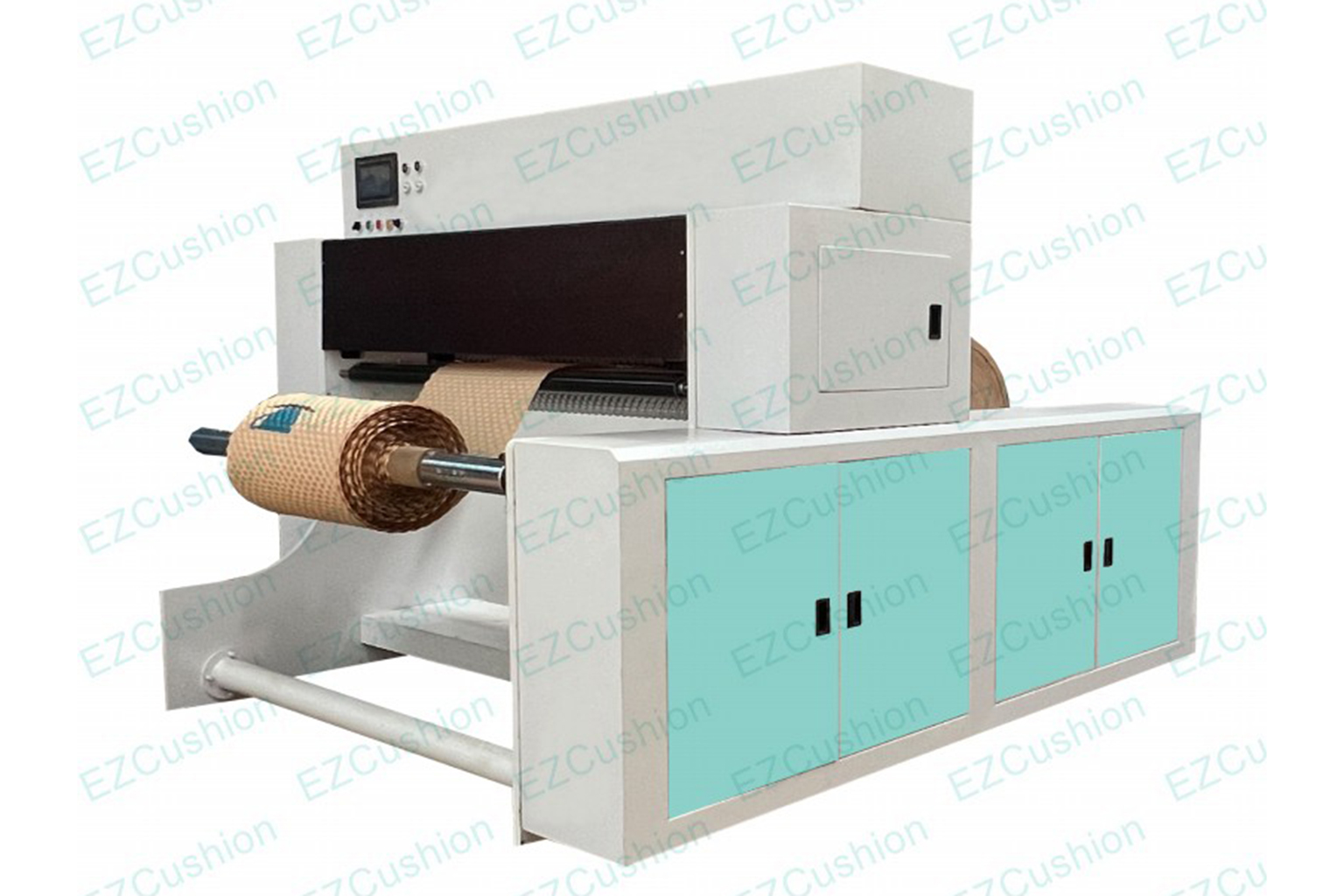
Industry Experience and Manufacturing Capabilities
Industry experience is one of the first factors to consider when evaluating a paper cushion machinery manufacturer. A manufacturer with relevant experience is more likely to understand common packaging challenges, material requirements, and the operational needs of different industries.
Review the company’s background, product range, manufacturing facilities, and experience serving international customers. Manufacturers that specialize in protective packaging equipment may offer a better understanding of machine configuration, production requirements, and practical applications.
It is also helpful to review product demonstrations, technical documentation, and customer references when available. These resources can provide insight into the manufacturer’s engineering capabilities and the suitability of its equipment for your business.
Machine Performance and Production Capacity
Machine performance directly affects packaging productivity. Before selecting a manufacturer, determine whether its equipment can handle your expected daily output and peak-season demand.
Important specifications include processing speed, paper feeding width, compatible paper thickness, operating modes, and continuous running capability. Businesses with high shipping volumes may require automated equipment that supports consistent output with minimal manual intervention.
However, rated speed alone does not determine actual productivity. Paper loading, operator experience, machine adjustments, maintenance, and packaging workflow can all affect the number of packages completed per hour.
Ask the manufacturer for detailed technical specifications and, where possible, request a demonstration under conditions similar to your actual production environment.
Paper Compatibility and Cushioning Quality
Paper compatibility is another essential consideration. Different paper cushion machines may support different paper widths, weights, thicknesses, and structures. Using unsuitable paper can lead to feeding problems, inconsistent cushioning materials, or reduced operating efficiency.
Before purchasing equipment, identify the types of paper you intend to use, including kraft paper or other compatible packaging materials. Confirm that the machine can process the selected materials within the manufacturer’s recommended specifications.
Cushioning quality is equally important. The finished material should provide suitable void filling, wrapping, or impact protection for the products being shipped. Fragile goods may require different cushioning performance from lightweight, durable products.
A reliable manufacturer should clearly explain material compatibility and testing procedures. Testing representative paper samples before purchasing can help confirm that the machine meets your packaging requirements.
Automation Features and Ease of Operation
Automation can improve packaging efficiency by reducing repetitive manual tasks and simplifying material preparation. Depending on the machine model, available features may include automatic feeding, adjustable operating settings, cutting mechanisms, user-friendly controls, and safety protection.
When comparing manufacturers, consider how these features fit into your existing packaging workflow. A small business may benefit from a compact machine with straightforward controls, while a high-volume fulfillment center may require equipment with greater output capacity and more advanced automation.
Ease of operation should not be overlooked. Clear controls, accessible maintenance points, and straightforward operating procedures can reduce training time and help employees use the equipment consistently.
The best machine is one that balances automation, productivity, reliability, and investment cost according to your actual needs.
Customization Options and Technical Support
Packaging operations vary in terms of available space, production volume, paper specifications, and workflow arrangements. A manufacturer that offers appropriate customization options may help businesses select equipment that fits their operating environment.
Depending on the product range, customization may involve machine dimensions, feeding specifications, control configurations, or other technical parameters. Before requesting a quotation, provide the manufacturer with clear information about your packaging materials, output requirements, and installation conditions.
Technical support is another important consideration. Ask whether the manufacturer provides installation guidance, operating manuals, troubleshooting assistance, operator training, and spare parts.
For international buyers, English-language documentation and remote technical support can be particularly valuable. Clear service arrangements help businesses resolve equipment issues more efficiently and reduce the risk of extended downtime.
Quality Control, Safety, and Equipment Reliability
Equipment quality affects production stability, maintenance costs, and service life. When evaluating a paper cushion machinery manufacturer, ask about its quality control procedures, component selection, assembly standards, and machine testing process.
Reliable equipment should operate consistently under its intended working conditions. Feeding mechanisms, cutting components, electrical systems, and control units should be designed to support stable performance.
Safety features are equally important. Depending on the machine design, these may include emergency stop functions, protective covers, electrical safeguards, and clear operating instructions.
You should also confirm the maintenance requirements and availability of replacement parts. A machine that is easy to inspect and maintain can help reduce unexpected interruptions.
Where applicable, request relevant safety certifications and conformity documentation, and verify that they apply to the specific machine model and destination market.
Total Cost of Ownership and Pricing Transparency
The purchase price is only one part of the investment in paper cushion machinery. Businesses should also account for energy consumption, labor, paper usage, maintenance, spare parts, and potential production downtime.
When comparing quotations, check whether the listed price includes standard accessories, installation support, operator training, warranty coverage, and other services. Clarify shipping costs, delivery schedules, payment terms, and any additional charges before confirming the order.
A lower-priced machine may not always provide the best long-term value if it requires more manual work or frequent maintenance. Conversely, a highly automated model may be unnecessary for businesses with limited packaging volumes.
Evaluating total cost of ownership helps buyers compare manufacturers more accurately and select equipment that meets their budget and productivity objectives.
After-Sales Service and Spare Parts Availability
After-sales service can significantly influence the long-term performance of packaging equipment. Even reliable machines require periodic maintenance, and occasional technical issues may arise during operation.
Before choosing a manufacturer, clarify its warranty policy, response procedures, troubleshooting support, and spare parts supply arrangements. Find out how technical issues are handled and whether replacement components can be shipped to your location when needed.
For businesses operating multiple packaging stations, timely service can be especially important because equipment downtime may interrupt order fulfillment and delay shipments.
A manufacturer that provides clear service commitments and accessible technical resources can help customers maintain stable operations throughout the equipment’s service life.
Reputation, Customer References, and Export Experience
A manufacturer’s reputation can provide additional insight into its reliability and service capabilities. Review its business history, product documentation, customer feedback, and experience supplying equipment to your target markets.
If possible, request references from customers with similar packaging requirements. Their experiences may help you understand machine performance, maintenance needs, delivery reliability, and the quality of technical support.
Export experience is particularly relevant for international buyers. A manufacturer familiar with overseas shipments may be better prepared to coordinate export documentation, protective machine packaging, delivery arrangements, and destination-market requirements.
Clear communication during the quotation and evaluation process is also important. Technical questions should receive specific, consistent answers rather than vague promises about performance or delivery.
Conclusion
Choosing the right paper cushion machinery manufacturer requires more than comparing product prices. Industry experience, machine performance, paper compatibility, automation features, quality control, customization options, and after-sales service all influence the value of the investment.
Businesses should first define their packaging volume, material requirements, workspace limitations, and budget. They can then compare manufacturers through technical specifications, sample testing, service evaluations, and transparent quotations.
By selecting a manufacturer that understands their operational needs and provides suitable equipment and support, businesses can improve packaging efficiency, maintain consistent cushioning quality, and manage long-term operating costs more effectively.
FAQs
1. What should I look for in a paper cushion machinery manufacturer?
Look for industry experience, reliable machine performance, suitable production capacity, paper compatibility, quality control, customization options, and responsive after-sales service. These factors help determine whether a manufacturer can meet your packaging requirements and provide long-term value.
2. How do I choose a reliable paper cushion machinery supplier?
Evaluate the supplier’s manufacturing capabilities, product specifications, customer references, delivery commitments, warranty terms, and technical support. Request detailed quotations and, if possible, arrange a machine demonstration or material test before placing an order.
3. What factors affect the performance of paper cushion machinery?
Machine performance depends on processing speed, paper quality, feeding stability, operating settings, maintenance, and operator experience. Selecting compatible materials and following the manufacturer’s operating recommendations can help maintain consistent output.
4. Can paper cushion machinery be customized?
Some manufacturers offer customization based on production capacity, paper specifications, machine dimensions, control configurations, and other technical requirements. Buyers should discuss their application needs with the manufacturer to determine which options are available.
5. Why is paper compatibility important when selecting paper cushion machinery?
Paper compatibility affects feeding stability, machine performance, cushioning quality, and material consumption. Confirming the supported paper width, thickness, weight, and type helps prevent operational problems and ensures the finished cushioning material meets packaging requirements.
6. How can I evaluate the quality of paper cushion machinery?
Review the manufacturer’s quality control procedures, component specifications, assembly standards, equipment testing records, and applicable safety documentation. A machine demonstration or sample production test can also help verify its performance under relevant operating conditions.


