

Introduction
Improving production efficiency is an important goal for businesses that use a honeycomb paper making machine to produce protective packaging material. E-commerce companies, fulfillment centers, packaging suppliers, retailers, and manufacturers may need to produce large quantities of honeycomb paper while maintaining consistent quality and controlling operating costs.
However, machine speed alone does not determine production efficiency. Paper quality, feeding stability, machine settings, operator skills, maintenance, output requirements, and production planning can all affect the actual performance of the equipment.
A well-maintained machine with suitable materials and properly optimized operating parameters can help reduce downtime, improve output consistency, minimize material waste, and support a more efficient packaging workflow.
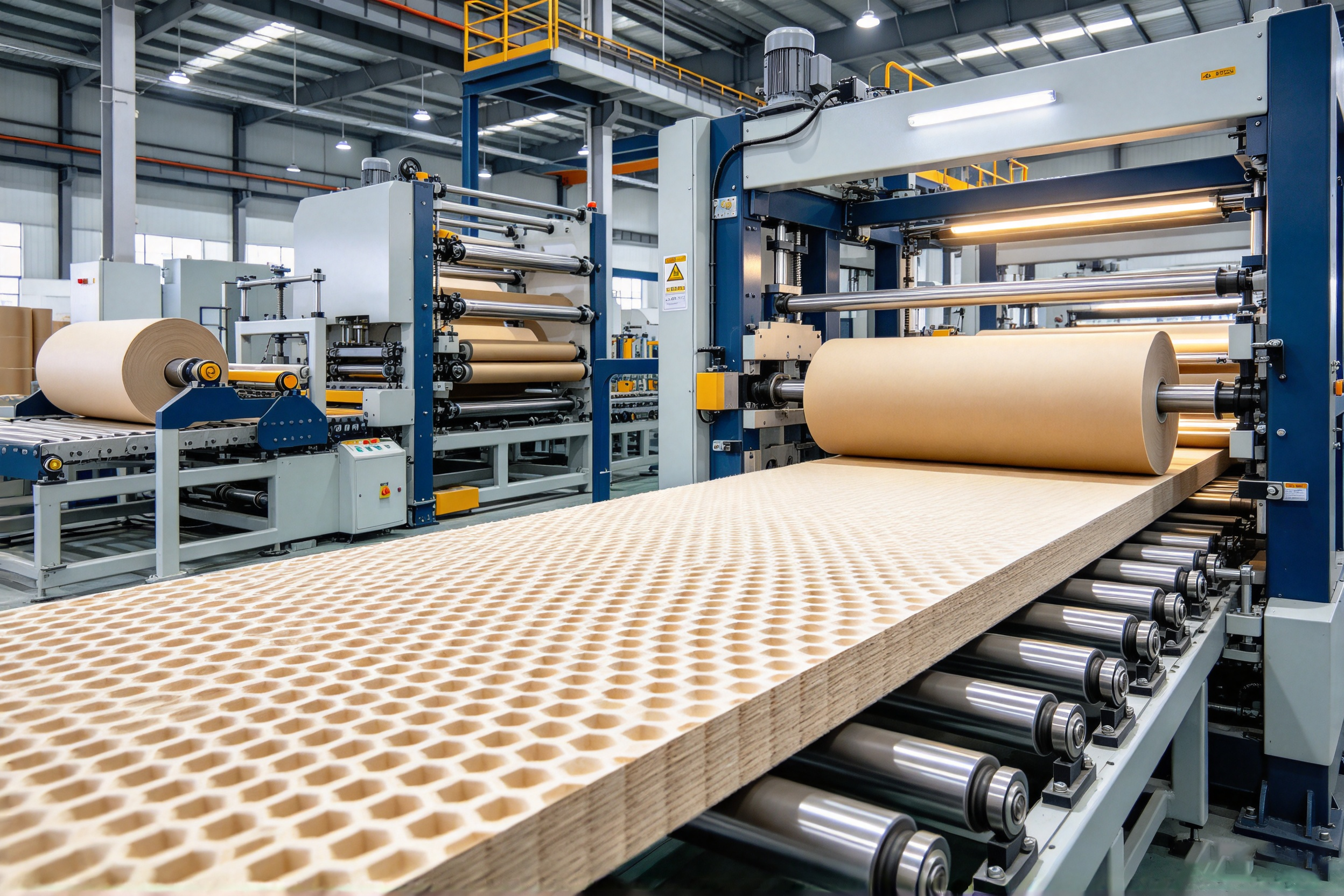
Choose a Machine That Matches Your Production Requirements
The first step toward improving efficiency is selecting a honeycomb paper making machine that matches your actual production volume.
A machine with insufficient capacity may become a bottleneck when packaging demand increases. On the other hand, purchasing equipment with significantly higher capacity than required may increase investment and operating costs without providing a practical benefit.
Consider daily production volume, operating hours, required paper width, output format, and expected future demand before selecting the equipment.
For businesses with high and stable production requirements, a high-speed or automated machine may provide better production efficiency than equipment designed for occasional use.
Use Compatible and Consistent Paper Materials
The quality and condition of the raw paper can have a direct effect on machine performance.
Paper that is too thick, too thin, damaged, excessively moist, or inconsistent in width may cause feeding problems, jams, uneven forming, or inconsistent honeycomb structures.
Before production, confirm that the paper meets the machine manufacturer’s recommended specifications.
Important parameters may include:
Paper width
Paper thickness
Paper weight or GSM
Roll diameter
Core diameter
Paper strength
Moisture and storage condition
Using consistent paper materials can make machine operation more stable and reduce interruptions caused by material-related problems.
Optimize Machine Settings
Correct machine settings are essential for achieving stable production.
Depending on the machine design, operators may need to adjust feeding speed, tension, forming parameters, cutting length, or other production settings.
Running the machine at its maximum rated speed is not always the most efficient approach. If excessive speed causes jams, poor forming, or frequent adjustments, actual output may decrease.
The goal should be to identify a stable operating speed that provides the required production volume while maintaining acceptable honeycomb paper quality.
Maintain Stable Paper Feeding
Paper feeding is one of the key factors affecting production efficiency.
If paper does not enter the machine smoothly, the production process may be interrupted. Uneven tension or improper roll alignment can also affect the forming process.
Operators should check that paper rolls are correctly installed and aligned before starting production. Feeding components should also be inspected regularly for wear, contamination, or other conditions that may affect paper movement.
A stable feeding system allows the machine to operate continuously with fewer interruptions.
Reduce Unnecessary Machine Downtime
Unplanned downtime can significantly reduce daily production output.
Common causes may include paper jams, worn components, incorrect machine settings, material problems, electrical issues, and insufficient maintenance.
Operators can reduce downtime by performing basic inspections before each production shift. Checking paper supply, machine connections, moving components, cutting systems, and control settings can help identify potential problems before production begins.
It is also useful to keep commonly replaced spare parts available, particularly for businesses operating the machine for long hours.
Establish Preventive Maintenance Procedures
Preventive maintenance is generally more efficient than waiting for equipment failure.
The maintenance schedule should follow the machine manufacturer’s recommendations and may include cleaning, lubrication, inspection, adjustment, and replacement of wear components.
Paper dust and other residues can accumulate around moving or processing components and may affect machine performance if they are not removed appropriately.
Regular maintenance can help maintain production stability, extend equipment service life, and reduce unexpected repair downtime.
Train Operators Properly
Operator skills can have a significant effect on machine efficiency.
Operators should understand how to load paper correctly, adjust machine parameters, identify abnormal operation, handle paper jams, perform routine cleaning, and follow safety procedures.
Poor operation can lead to unnecessary material waste, incorrect settings, machine stoppages, and inconsistent product quality.
A clear operating procedure can help different operators maintain consistent production practices across shifts.
Optimize Production Batch Planning
Production planning can help businesses make better use of machine capacity.
If the packaging operation requires different paper widths or output lengths, grouping similar production orders together can reduce the frequency of machine adjustments.
For example, producing several orders that use the same paper specification before switching to another material can reduce setup time.
Production schedules should also consider raw material availability, packaging demand, machine maintenance periods, and downstream packaging requirements.
Reduce Paper Waste
Material waste can affect both production efficiency and operating costs.
Waste may occur because of incorrect machine settings, damaged paper rolls, inaccurate cutting, poor feeding, or frequent production changes.
Operators should monitor the amount of paper used and compare it with actual finished output. If waste increases unexpectedly, investigate whether the problem is related to material quality, machine settings, or operating procedures.
Accurate cutting and appropriate output-length settings can also help reduce unnecessary material consumption.
Use Automation Where It Provides Practical Benefits
Automation can improve production efficiency by reducing repetitive manual operations.
Depending on the machine configuration, automated functions may include paper feeding, tension control, length setting, cutting, speed adjustment, and production monitoring.
Automation can help maintain consistent operating parameters and reduce manual intervention, particularly during high-volume production.
However, automation should be selected according to actual production requirements. A business with low production volume may not need the same level of automation as a large packaging manufacturer or fulfillment center.
Monitor Production Performance
Measuring production performance can help identify efficiency problems.
Useful indicators may include:
Production output per hour
Machine operating time
Downtime
Material waste
Production speed
Maintenance frequency
Reject rate
By monitoring these indicators, businesses can identify recurring problems and determine where improvements are needed.
For example, if machine speed is high but actual hourly output remains low, frequent downtime or material changes may be reducing overall efficiency.
Improve the Packaging Workflow Around the Machine
Machine efficiency should not be considered separately from the surrounding packaging process.
If finished honeycomb paper has to be manually transported long distances or stored in a limited space, the overall workflow may become inefficient even when the machine itself performs well.
Positioning the machine close to the packaging area can reduce unnecessary material movement. Businesses should also plan suitable storage for raw paper rolls and finished honeycomb paper.
For high-volume operations, integrating honeycomb paper production more closely with packing stations may help improve the overall material flow.
Keep Critical Spare Parts Available
Waiting for replacement components can cause unnecessary production downtime.
Businesses that rely heavily on a honeycomb paper making machine should identify critical wear parts and maintain an appropriate spare-parts inventory.
The exact parts depend on machine design, but components associated with feeding, cutting, forming, movement, and electrical control may require periodic replacement or maintenance.
Working with a manufacturer that can provide reliable spare parts and technical support can help reduce the impact of unexpected equipment problems.
Work With the Manufacturer to Optimize Performance
Manufacturers can provide useful technical information about machine settings, compatible materials, maintenance procedures, and production limitations.
If a machine is not achieving the expected output, businesses should communicate the actual operating conditions to the manufacturer.
Providing information such as paper specifications, operating speed, production volume, output quality, and the type of problem observed can help technical teams identify possible causes.
For customized or high-volume applications, manufacturers may also be able to recommend equipment configurations that better match the production process.
Common Efficiency Problems and Their Solutions
Several common issues can reduce honeycomb paper production efficiency.
Frequent paper jams may be related to incompatible paper specifications, incorrect feeding, poor roll alignment, or machine settings.
Inconsistent honeycomb structures may result from unstable feeding, unsuitable material, incorrect tension, or forming adjustments.
Low actual output may occur when the machine experiences frequent downtime, excessive setup time, or slow material handling, even if the machine has a high rated speed.
High material waste may be caused by inaccurate cutting, incorrect settings, damaged raw materials, or frequent production changes.
Identifying the actual cause is important because simply increasing machine speed may not solve these problems.
Honeycomb Paper Making Machine Efficiency Checklist
Businesses can use the following checklist to improve production efficiency:
Use paper materials within the manufacturer’s specifications.
Maintain stable paper feeding and roll alignment.
Optimize operating speed according to actual production conditions.
Use appropriate machine settings for different materials.
Perform preventive maintenance regularly.
Train operators on correct machine operation.
Group similar production orders when possible.
Monitor production output and downtime.
Track and reduce material waste.
Keep critical spare parts available.
Use automation where it provides practical benefits.
Optimize the workflow around the machine.
Communicate production problems with the manufacturer.
Conclusion
Improving efficiency with a honeycomb paper making machine requires more than increasing production speed. Stable raw materials, optimized machine settings, reliable paper feeding, preventive maintenance, trained operators, production planning, and effective material handling all contribute to overall performance.
Businesses should focus on actual production output rather than maximum machine speed alone. By monitoring downtime, waste, operating conditions, and machine performance, companies can identify opportunities to improve the production process.
For high-volume packaging operations, combining a suitable honeycomb paper making machine with consistent materials, appropriate automation, and a well-organized workflow can help support stable production and improve long-term operating efficiency.
FAQ
1. How can I improve the efficiency of a honeycomb paper making machine?
Use compatible paper, optimize machine settings, maintain stable feeding, reduce downtime, perform preventive maintenance, train operators, and monitor production performance.
2. Does running the machine at maximum speed improve efficiency?
Not always. Excessive speed may increase paper jams, production defects, adjustments, or downtime. A stable operating speed that balances output and quality may provide better overall efficiency.
3. How does paper quality affect machine efficiency?
Inconsistent or unsuitable paper can cause feeding problems, jams, uneven honeycomb structures, and material waste. Using paper within the manufacturer’s recommended specifications can improve production stability.
4. Why is preventive maintenance important?
Preventive maintenance helps identify wear, contamination, and potential equipment problems before they cause unexpected downtime. It can also support consistent machine performance and longer equipment service life.
5. Can automation improve honeycomb paper production efficiency?
Yes. Depending on the machine configuration, automation can reduce repetitive manual work and improve consistency in feeding, tension control, cutting, and other production processes.
6. How can I reduce paper waste during production?
Check raw material quality, maintain stable feeding, use accurate cutting settings, optimize machine parameters, and monitor production waste to identify recurring problems.
7. What production data should I monitor?
Useful indicators include hourly output, machine operating time, downtime, material waste, production speed, reject rate, and maintenance frequency. These measurements can help identify production bottlenecks.
8. How can a manufacturer help improve machine efficiency?
The manufacturer can provide guidance on machine settings, compatible paper, maintenance, spare parts, and troubleshooting. Sharing actual production conditions and performance data can help the manufacturer provide more relevant technical support.


