

Introduction
Choosing the right high speed crinkle paper shredding machine is important for businesses that use paper-based packaging materials in high-volume operations. E-commerce companies, fulfillment centers, retailers, gift packaging suppliers, and logistics businesses may need to process large quantities of paper into crinkle or shredded paper for product protection and presentation.
A suitable machine can help improve packaging efficiency, maintain consistent material output, reduce manual processing, and support more sustainable packaging practices. However, different machines can vary in processing speed, paper compatibility, cutting structure, feeding width, output quality, and operating requirements.
Before purchasing a high speed crinkle paper shredding machine, businesses should evaluate their packaging volume, paper materials, required output, available workspace, and long-term operating needs.
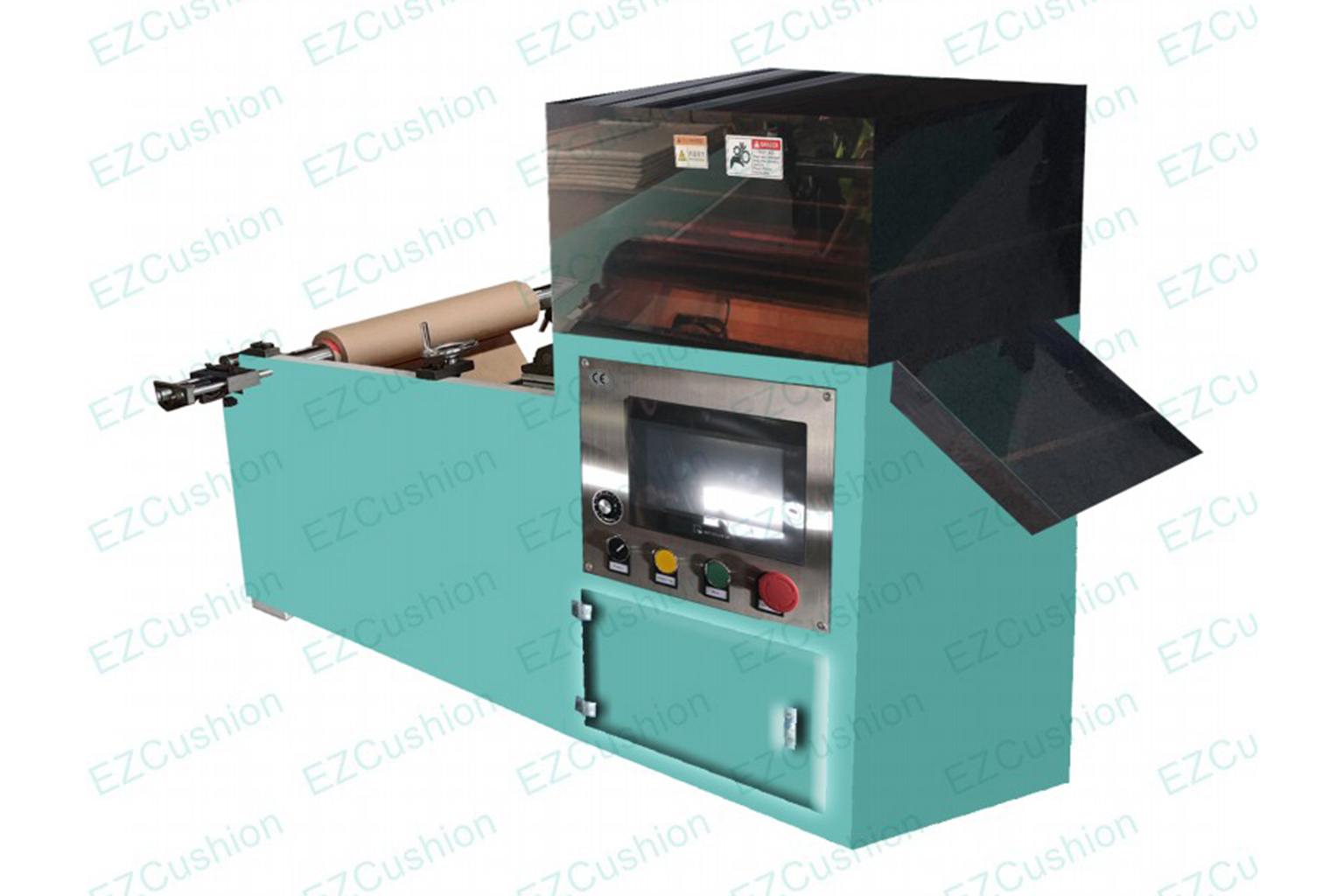
Consider Your Packaging Volume
The first factor to consider is how much crinkle paper your business needs to produce. A small retailer with limited daily packaging requirements may not need the same processing capacity as a large fulfillment center.
High-volume packaging operations should look for a machine with sufficient processing speed and continuous working capability. A machine that can process paper quickly can help reduce waiting time between packaging orders and improve the overall workflow.
When comparing different machines, consider both the stated maximum speed and the actual production requirements of your business. Processing capacity should be evaluated together with paper width, paper thickness, feeding method, and operating conditions.
Check the Compatible Paper Types
Not all paper materials are suitable for every crinkle paper shredding machine. Before purchasing equipment, check the manufacturer’s recommended paper specifications.
Important factors may include paper type, thickness, width, moisture level, and overall material condition. Kraft paper, recycled paper, wrapping paper, and other packaging papers may have different processing characteristics.
If your business uses several types of paper, choose a machine that provides sufficient material compatibility. This can give packaging operations more flexibility and reduce the need for separate equipment.
Evaluate Processing Speed
Speed is one of the most important considerations when choosing a high speed crinkle paper shredding machine.
For businesses processing large numbers of packages every day, higher processing speed can help produce packaging material on demand and reduce manual preparation. However, maximum speed should not be considered independently.
A practical machine should provide a balance between speed, stable feeding, cutting performance, output consistency, and operating reliability. Extremely high speed is not necessarily useful if the machine frequently requires adjustment or produces inconsistent material.
Consider Paper Feeding Width
The feeding width determines the size of paper that can be processed and can affect production efficiency.
If your packaging operation uses wider rolls or larger paper formats, the machine should have a suitable feeding width to accommodate the material without excessive preparation or cutting.
For businesses using standardized paper sizes, a machine designed around those dimensions may provide a more efficient workflow. Understanding the relationship between paper width and final crinkle paper output can help you select the appropriate equipment.
Look at the Crinkle Paper Output
The quality and structure of the finished crinkle paper are also important. Packaging material needs to provide suitable cushioning, filling, or decorative effects depending on the application.
Before selecting a machine, consider the desired output characteristics, such as crinkle pattern, strip width, material volume, and overall consistency.
For gift packaging and retail presentation, appearance may be particularly important. For e-commerce shipping, businesses may place greater emphasis on cushioning performance, filling efficiency, and material consumption.
The machine should therefore match the type of packaging material your customers or products require.
Check Machine Construction and Operation
A high speed crinkle paper shredding machine should be designed for stable operation under the expected workload. Machine construction, cutting components, feeding mechanisms, drive systems, and safety features can all affect long-term performance.
For continuous packaging operations, convenient controls and straightforward operation can also reduce training requirements. Operators should be able to feed material, adjust relevant settings, monitor operation, and perform routine cleaning without unnecessary complexity.
A compact design can be useful for businesses with limited workspace, while larger operations may prioritize higher capacity and continuous production.
Consider Automation and Workflow Integration
The level of automation should match your packaging workflow.
Some businesses may operate the machine as a standalone unit near a packing station. Others may need equipment that can support a centralized packaging material production process.
Consider how paper is loaded, how the finished material is collected, and how the machine fits into the existing packaging workflow. Easy material loading and output collection can reduce unnecessary handling and help operators maintain a consistent working rhythm.
For high-volume packaging operations, automation and workflow compatibility can become increasingly important as order volume grows.
Evaluate Maintenance Requirements
Regular maintenance can influence the long-term performance of a crinkle paper shredding machine. Before purchasing, check how easily operators can access the cutting mechanism, feeding components, and other parts that may require cleaning or inspection.
Ask the manufacturer about recommended maintenance intervals, replacement parts, lubrication requirements, and common wear components.
A machine that is easy to maintain can help reduce downtime and make routine servicing more manageable for packaging teams.
Check Safety Features
Safety should also be considered when purchasing high speed paper processing equipment. Moving cutting components and feeding mechanisms require appropriate protection.
Look for equipment with suitable safety guards, emergency stop functions, stable construction, and other protective features recommended by the manufacturer.
Operators should also receive appropriate training and follow the manufacturer’s instructions for installation, operation, cleaning, and maintenance.
Compare Energy Consumption and Operating Costs
The initial purchase price is only one part of the total cost of owning a high speed crinkle paper shredding machine.
Businesses should also consider electricity consumption, maintenance costs, replacement parts, labor requirements, and the cost of the paper material itself.
A machine that improves processing efficiency and reduces manual preparation may help lower operating costs over time. For a high-volume packaging operation, even small efficiency improvements can become significant when the machine is used every working day.
Consider Your Packaging Applications
The right machine should match the products and packaging applications you serve.
Crinkle paper can be used for a variety of packaging purposes, including:
E-commerce order fulfillment
Gift and premium packaging
Retail product packaging
Cosmetics and beauty product packaging
Subscription boxes
Promotional packaging
Food and specialty product presentation
Protective filling for shipping cartons
For businesses that need both protection and presentation, crinkle paper can provide functional filling while creating a more attractive unboxing experience.
Understanding your primary application can help determine the required output, material type, processing speed, and machine configuration.
Choose a Manufacturer with Technical Support
The manufacturer is another important consideration, especially for businesses purchasing equipment for long-term commercial use.
In addition to machine specifications, evaluate the manufacturer’s experience, quality control process, technical documentation, spare parts availability, and after-sales support.
For international buyers, communication and technical support are particularly important. A reliable supplier should be able to provide clear information about installation, operation, maintenance, troubleshooting, and replacement parts.
If customization is required, such as specific feeding widths, machine configurations, or packaging line requirements, discuss these technical requirements with the manufacturer before placing an order.
Conclusion
Choosing the right high speed crinkle paper shredding machine for packaging requires more than comparing processing speeds. Businesses should evaluate paper compatibility, feeding width, output characteristics, production capacity, machine construction, automation, maintenance, safety, energy consumption, and application requirements.
For e-commerce, fulfillment, retail, gift packaging, and other high-volume operations, the right machine can help produce crinkle paper efficiently and maintain a more consistent packaging workflow.
Before making a purchase, define your daily packaging volume and required paper specifications first, then compare machines based on their actual production requirements. This approach can help you select equipment that fits your current operation while providing enough capacity for future packaging needs.
FAQ
What is a high speed crinkle paper shredding machine?
A high speed crinkle paper shredding machine is equipment designed to process paper into crinkle or shredded packaging material at a relatively high processing speed. It is commonly used by e-commerce businesses, fulfillment centers, retailers, gift packaging suppliers, and other packaging operations.
What types of paper can a high speed crinkle paper shredding machine process?
Depending on the machine design, it may process kraft paper, recycled paper, wrapping paper, and other suitable packaging papers. Paper thickness, width, moisture, and material condition can affect processing performance, so the manufacturer’s recommended specifications should be checked before use.
How do I choose the right speed for a crinkle paper shredding machine?
The required speed depends on your packaging volume and workflow. High-volume fulfillment operations generally need higher processing capacity, while smaller businesses may require less. Speed should also be considered together with feeding stability, output consistency, paper specifications, and continuous working capability.
Is a high speed crinkle paper shredding machine suitable for e-commerce packaging?
Yes. It can be suitable for e-commerce packaging because it can produce paper-based filling or cushioning material on demand. This can help packaging teams prepare protective material efficiently while supporting a more paper-based packaging approach.
What should I consider when buying a crinkle paper shredding machine?
Important factors include processing speed, paper compatibility, feeding width, output characteristics, machine construction, automation level, safety features, maintenance requirements, energy consumption, and after-sales technical support.
Can crinkle paper be used for protective packaging?
Yes. Crinkle paper can be used as void filling and cushioning material inside cartons and shipping packages. Its suitability depends on the product, package design, paper characteristics, and the level of protection required.
Does paper thickness affect shredding performance?
Yes. Paper thickness can affect feeding, cutting, processing speed, and final output. Before purchasing a machine, confirm that the equipment is compatible with the paper thickness and material specifications used in your packaging operation.
How should a high speed crinkle paper shredding machine be maintained?
Routine maintenance may include cleaning the feeding and cutting areas, checking wear components, inspecting moving parts, and following the manufacturer’s lubrication and maintenance recommendations. Regular maintenance can help maintain stable operation and reduce unexpected downtime.


