

Introduction
Sustainable packaging has become an increasingly important consideration for e-commerce businesses, retailers, fulfillment centers, gift packaging companies, and manufacturers. As businesses look for ways to reduce unnecessary plastic and improve packaging efficiency, paper-based protective materials are becoming a practical alternative for many applications.
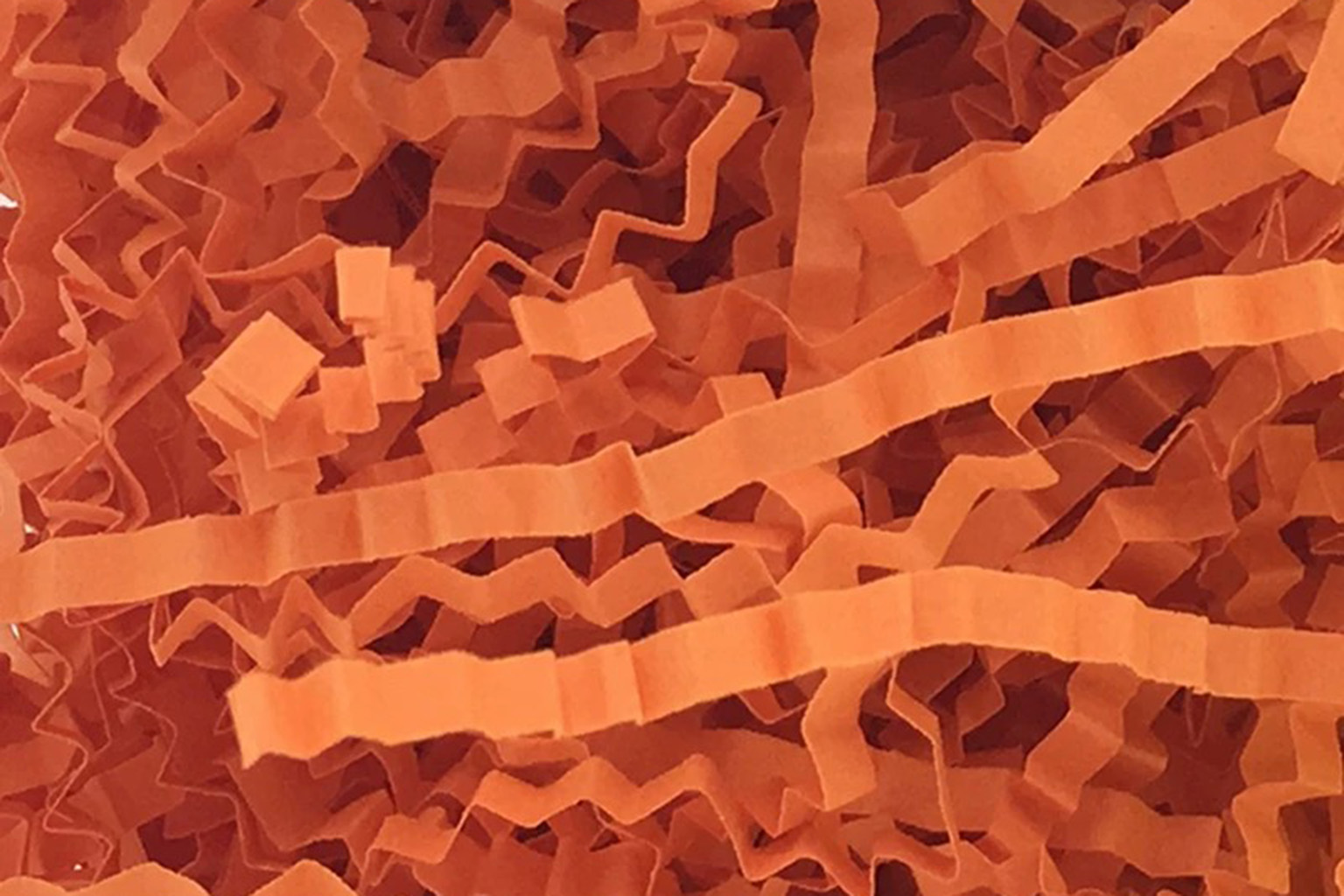
Crinkle paper is one type of paper packaging material that can be used to fill empty spaces, reduce product movement, and improve the appearance of packaged goods. However, producing crinkle paper manually can require significant repetitive labor and may result in inconsistent material output.
A Sheet Feeding Crinkle Paper Shredding Machine provides an automated way to transform paper sheets into crinkle packaging filler. By combining automatic sheet feeding with shredding and crinkling processes, the machine can help businesses produce paper-based packaging material more efficiently while supporting a more sustainable packaging workflow.
What Is a Sheet Feeding Crinkle Paper Shredding Machine?
A Sheet Feeding Crinkle Paper Shredding Machine is designed to process individual paper sheets into crinkle paper for packaging applications.
Instead of manually tearing, shredding, and crumpling paper, the operator loads suitable sheets into the feeding section. The machine automatically moves the paper through cutting and crinkling mechanisms before discharging the finished material.
The processed paper has a textured and three-dimensional structure. This allows it to occupy empty spaces inside packaging boxes while providing a lightweight material for product protection and presentation.
Depending on the machine model, it may process kraft paper, recycled paper, colored paper, and other compatible paper materials. Paper thickness, sheet size, processing capacity, and cutting width depend on the equipment specifications.
Why Is Crinkle Paper Used in Sustainable Packaging?
Sustainable packaging is not simply about replacing one material with another. It involves considering material selection, packaging efficiency, waste generation, transportation, reuse, recycling, and the overall lifecycle of the packaging.
Crinkle paper can support these objectives in several ways.
As a paper-based void filler, it can be used in applications where businesses want to reduce their dependence on plastic-based loose-fill materials. It can also be produced from suitable recycled paper, depending on the machine and the material specifications.
Its lightweight structure allows it to provide a relatively large volume of filler without adding excessive weight to a package. This can be useful when businesses are trying to balance product protection with material efficiency.
However, the environmental benefits depend on the paper source, manufacturing process, energy consumption, and end-of-life treatment. Using a paper-based filler does not automatically make an entire packaging system sustainable.
How Does the Machine Support Sustainable Packaging?
A Sheet Feeding Crinkle Paper Shredding Machine can contribute to sustainable packaging primarily by making paper-based filler easier and more efficient to produce.
The machine automates the feeding, shredding, and crinkling processes, reducing the need for repetitive manual preparation. This can help businesses produce packaging material according to actual demand instead of preparing large quantities in advance.
The ability to process paper sheets can also be useful for businesses that already have suitable sheet materials available. Depending on the material specifications, certain recycled or surplus paper sheets may be processed into useful packaging filler rather than being discarded.
The machine therefore supports a more controlled approach to paper-based packaging production.
Converts Flat Paper into High-Volume Filler
Flat paper sheets take up relatively little volume, while crinkled paper has a more three-dimensional structure.
The crinkling process creates folds and deformation in the paper, increasing its apparent volume. When placed inside a carton, the material can expand into empty spaces around products.
This characteristic can help packaging teams use paper more effectively for void filling. Instead of simply adding large quantities of flat paper, operators can use crinkled material to create a more suitable filler structure.
The actual amount of paper required depends on the product, carton dimensions, and protection requirements. Packaging testing should always be used to determine the appropriate material quantity.
Reduces Dependence on Plastic Void Fillers
Many traditional void-filling materials are made from plastic or other synthetic materials. Depending on the application, businesses may choose paper-based alternatives to reduce the amount of plastic used in packaging.
Crinkle paper can be used for applications such as e-commerce shipping, gift boxes, cosmetics, retail packaging, and subscription boxes.
A sheet feeding machine makes it easier to produce this type of filler from paper sheets at the point of packaging.
However, businesses should evaluate whether crinkle paper is appropriate for the specific product. Some products may require specialized cushioning materials with higher impact protection or moisture resistance.
Sustainable packaging should always balance environmental objectives with product protection.
Supports Recycled Paper Applications
One potential advantage of sheet feeding equipment is its ability to work with paper in sheet form.
Businesses may use suitable recycled paper or other paper materials that meet the machine’s processing requirements. Depending on the source and quality of the material, these sheets can be converted into crinkle filler for packaging.
Using recycled paper can help reduce reliance on virgin fiber, although the actual environmental impact depends on the paper’s source, recycling process, transportation, and end-of-life treatment.
Before using recycled or alternative paper materials, businesses should confirm that the material is compatible with the machine and capable of producing the desired crinkle structure.
Enables On-Demand Production
Sustainable packaging also involves avoiding unnecessary material production and storage.
A Sheet Feeding Crinkle Paper Shredding Machine can produce crinkle paper when it is needed. Instead of maintaining a large inventory of finished crinkle paper, businesses can store suitable paper sheets and process them according to packaging demand.
This on-demand approach can be useful for businesses with fluctuating order volumes.
For example, an e-commerce fulfillment center may process significantly more orders during seasonal promotions. Producing crinkle paper as required can help the business adjust material preparation to its actual workload.
It can also reduce the amount of finished filler occupying storage space.
Helps Reduce Material Handling
Finished crinkle paper is lightweight but bulky. Storing and moving large quantities of pre-produced filler can require considerable space.
Producing crinkle paper closer to the packing station can reduce unnecessary movement of bulky finished material.
A sheet feeding machine can potentially be installed near the packaging area, allowing workers to process paper sheets and collect the finished filler close to where it will be used.
This can contribute to a more streamlined material flow and reduce unnecessary internal transportation.
Improves Packaging Material Consistency
Sustainable packaging does not necessarily mean using the minimum possible amount of material. The goal is to use an appropriate amount of material to protect the product while avoiding unnecessary waste.
Consistent crinkle paper can make this easier.
When paper is manually shredded and crumpled, the final structure can vary between operators. A machine provides more controlled feeding, cutting, and crinkling, which can produce a more consistent material structure.
Packaging teams can then establish standard filling procedures for different carton sizes and product categories.
For example, a company may determine a standard amount of crinkle paper for small cosmetic boxes, medium retail cartons, and larger e-commerce packages.
This type of standardization can help reduce both under-packaging and unnecessary overfilling.
Sustainable Packaging for E-Commerce
E-commerce is one of the major applications for paper-based void filling.
Online orders often contain products packed in cartons that are larger than the products themselves. Empty spaces can allow products to move during transportation, potentially increasing the risk of damage.
Crinkle paper can fill these spaces while also providing a more attractive unboxing experience.
A sheet feeding machine can produce the required filler as orders are packed. This makes it suitable for businesses that want to integrate paper-based packaging materials into a more efficient fulfillment process.
For fragile products, however, crinkle paper should be considered part of the complete protective packaging system. Drop, vibration, compression, and transportation testing may be required depending on the product.
Sustainable Gift and Retail Packaging
Crinkle paper is also commonly used in gift and retail packaging because of its decorative appearance.
Natural kraft paper can create a simple and eco-oriented appearance, while colored paper can be used to match a brand’s visual identity or seasonal packaging design.
For cosmetics, personal care products, handmade goods, and premium gift sets, crinkle paper can combine void filling with presentation.
A sheet feeding machine allows businesses to process suitable paper sheets into consistent filler while maintaining flexibility in paper selection.
Can a Crinkle Paper Machine Reduce Packaging Waste?
A machine can help improve material control, but it does not automatically eliminate packaging waste.
The main opportunity comes from producing and using crinkle paper more consistently. Standardized material output can help packaging teams determine how much filler is required for different products.
On-demand production can also reduce the need to prepare excessive amounts of finished material.
At the same time, businesses should review the complete packaging design. Oversized cartons, unnecessary layers, unsuitable paper specifications, and excessive filler can all contribute to waste.
The machine is therefore one part of a broader packaging optimization strategy.
Sheet Feeding vs. Roll Feeding for Sustainable Packaging
Both sheet feeding and roll feeding machines can be used to produce paper-based packaging filler, but they use different input formats.
A sheet feeding machine processes individual paper sheets. This can be advantageous for businesses that already purchase or have access to pre-cut paper, including suitable recycled sheets.
A roll feeding machine processes continuous paper rolls and can provide a more uninterrupted supply of material. It may be better suited to high-volume operations that regularly purchase paper in roll form.
Neither system is inherently more sustainable. The better choice depends on the source of the paper, material efficiency, packaging volume, machine energy use, storage requirements, and overall workflow.
What Paper Should Be Used?
The appropriate paper depends on the machine specifications and the intended packaging application.
Common options may include kraft paper, recycled paper, colored paper, and other suitable paper grades.
Important characteristics can include paper thickness, basis weight, sheet dimensions, moisture level, and surface treatment.
Businesses should avoid selecting paper based solely on its environmental claims. The material also needs to perform reliably in the machine and provide sufficient packaging performance.
A suitable balance between material sustainability, machine compatibility, durability, appearance, and cost is important.
Factors to Consider When Choosing a Machine
Businesses should first determine their packaging volume and estimate how much crinkle paper they need during normal and peak periods.
Paper compatibility is another key consideration. The machine should support the paper sheet sizes, thicknesses, and materials the business intends to use.
Processing capacity should also match the actual packaging workflow. A machine with a very high maximum output may not provide good value if the business only requires a small amount of filler.
Other considerations include machine footprint, power consumption, feeding method, cutting width, crinkle structure, safety features, maintenance requirements, spare parts, and technical support.
The best equipment should fit both the sustainability goals and the practical requirements of the packaging operation.
Maintenance and Sustainable Operation
Proper maintenance is important for maintaining efficient machine operation.
Paper dust and residue should be cleaned from the feeding and processing areas according to the manufacturer’s recommendations. Cutting components should be inspected regularly, and feeding components should be checked to ensure that paper moves smoothly through the machine.
Using the correct paper specifications can also help reduce jams, inconsistent processing, and unnecessary material waste.
Well-maintained equipment can operate more reliably and reduce unexpected downtime, helping businesses maintain a stable packaging workflow.
Conclusion
A Sheet Feeding Crinkle Paper Shredding Machine can be a useful part of a sustainable packaging strategy by automating the production of paper-based void filler from individual sheets.
The machine can support the use of suitable kraft and recycled paper, reduce repetitive manual processing, enable on-demand production, improve material consistency, and reduce unnecessary handling of bulky finished filler.
For e-commerce businesses, retailers, fulfillment centers, gift packaging companies, and other packaging operations, these advantages can make paper-based void filling easier to integrate into everyday packaging processes.
However, sustainable packaging requires more than simply replacing plastic with paper. Businesses should consider material sourcing, packaging design, product protection, material consumption, energy use, recycling, and the complete lifecycle of the packaging.
When selected and operated correctly, a sheet feeding crinkle paper shredding machine can help businesses produce consistent paper filler while building a more efficient and potentially more sustainable packaging workflow.
FAQ
Is a Sheet Feeding Crinkle Paper Shredding Machine suitable for sustainable packaging?
Yes. It can help businesses produce paper-based crinkle filler from suitable kraft, recycled, or other compatible paper sheets and reduce reliance on some plastic-based void fillers.
Can the machine process recycled paper?
Depending on the machine model, suitable recycled paper may be processed. Businesses should confirm the paper thickness, sheet size, material characteristics, and other specifications before use.
Does crinkle paper reduce the use of plastic packaging?
Crinkle paper can replace certain plastic-based void fillers in suitable applications. However, the best material depends on product protection requirements and the overall packaging design.
Can a crinkle paper machine reduce packaging waste?
It can help standardize filler production and support on-demand material preparation. Actual waste reduction depends on how the machine and packaging materials are used.
Is sheet feeding better than roll feeding for sustainable packaging?
Neither method is universally more sustainable. Sheet feeding may be useful for businesses using paper sheets, while roll feeding can be advantageous for continuous production with roll-based materials.
Can crinkle paper be used for e-commerce packaging?
Yes. It can be used as void filler in shipping cartons to help reduce product movement and improve packaging presentation. Fragile products should be tested to determine the appropriate protective packaging method.


