

Introduction
Packaging businesses are increasingly looking for efficient ways to produce protective paper filler while reducing repetitive manual work. Crinkle paper is widely used in e-commerce, retail, gift packaging, cosmetics, and other applications because it can fill empty spaces inside boxes, reduce product movement, and improve the overall appearance of packaged products.
A Sheet Feeding Crinkle Paper Shredding Machine provides an automated way to turn flat paper sheets into crinkle paper. Unlike roll feeding equipment, which processes continuous paper rolls, a sheet feeding machine is designed to accept individual sheets and process them through cutting and crinkling mechanisms.
Understanding how a sheet feeding crinkle paper shredding machine works can help packaging companies determine whether this type of equipment is suitable for their production requirements.
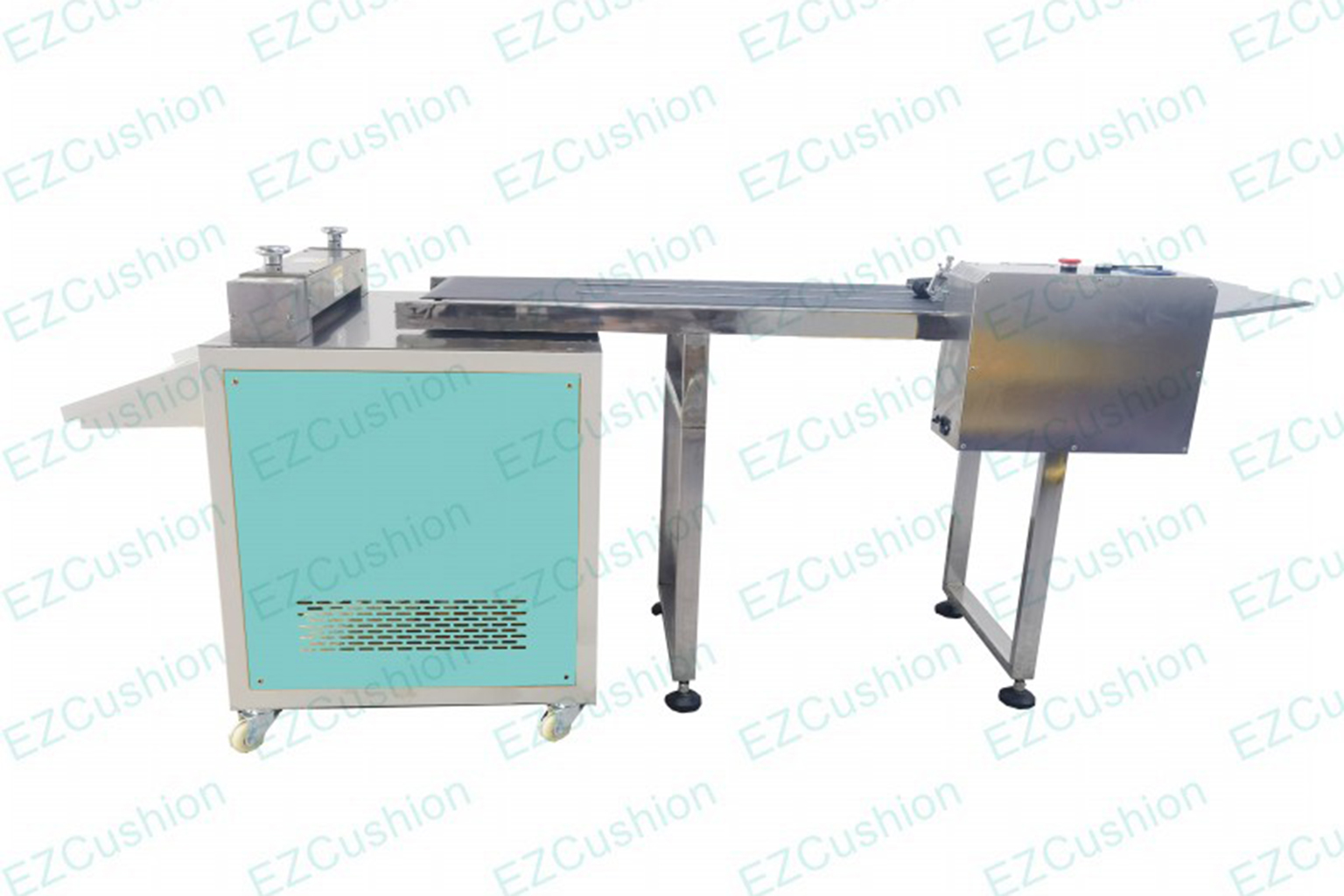
What Is a Sheet Feeding Crinkle Paper Shredding Machine?
A Sheet Feeding Crinkle Paper Shredding Machine is packaging equipment designed to process flat paper sheets into crinkle paper filler. The operator places suitable paper sheets into the feeding area, and the machine automatically moves the sheets through the processing system.
During operation, the paper passes through cutting and crinkling mechanisms that transform the flat sheet into a narrow, textured material. The finished crinkle paper is then discharged and can be collected for packaging use.
Depending on the machine design, it may process kraft paper, recycled paper, colored paper, or other compatible paper materials. Paper thickness, sheet dimensions, cutting width, processing speed, and other specifications vary according to the equipment model.
How Does a Sheet Feeding Crinkle Paper Shredding Machine Work?
The working process can generally be divided into several continuous stages: sheet feeding, paper cutting, crinkling, and material discharge.
The operator first places a stack of paper sheets into the feeding section. The machine’s feeding mechanism separates and transfers the sheets into the processing area at a controlled rate.
Once the paper enters the cutting section, it is processed into strips or smaller sections according to the machine’s configuration. The cutting process determines the basic width and structure of the finished material.
The cut paper then passes through the crinkling mechanism. Rollers or other mechanical components deform the paper to create a three-dimensional, crumpled structure. This gives the material greater volume and makes it suitable for filling empty spaces around products.
Finally, the processed crinkle paper exits the machine through the discharge section. It can be collected in a container, placed near a packing station, or transferred to another part of the packaging workflow.
Step 1: Loading Paper Sheets
The process begins with loading suitable paper sheets into the machine. Compared with roll feeding systems, sheet feeding equipment is designed specifically for pre-cut sheets rather than continuous paper rolls.
The operator normally needs to arrange the sheets correctly in the feeding area and make sure the material meets the machine’s specifications. Paper size, thickness, weight, and surface characteristics can affect feeding performance.
Proper preparation of the paper helps the machine maintain stable operation and reduces the possibility of feeding problems.
Step 2: Automatic Sheet Feeding
After the paper is loaded, the feeding mechanism moves individual sheets into the processing section.
Automatic feeding is an important part of the machine because it reduces the need for operators to manually place each sheet into a cutting or shredding device. The feeding system is designed to maintain a controlled material flow so that the following processing stages can operate consistently.
For businesses processing a large number of paper sheets, automated feeding can reduce repetitive handling and make the paper preparation process more efficient.
Step 3: Paper Cutting or Shredding
After feeding, the paper enters the cutting or shredding section. Depending on the machine design, cutting components process the flat sheet into strips with a specified width.
The cutting width can affect the appearance, flexibility, and filling performance of the final crinkle paper. Narrower strips may create a different texture from wider strips, so businesses should select a configuration based on their packaging requirements.
The cutting mechanism must also be compatible with the selected paper material. Using paper outside the manufacturer’s recommended specifications may result in uneven cutting, jams, or excessive wear.
Step 4: Crinkling the Paper
After cutting, the paper moves into the crinkling section. This is the stage that gives the material its characteristic textured appearance.
Mechanical rollers or forming components apply controlled pressure to the paper strips, creating folds and deformation along the material. Instead of remaining flat, the paper develops a more three-dimensional structure.
This structure increases the apparent volume of the paper and allows it to occupy empty spaces inside packaging cartons. It can also provide a decorative appearance for gift boxes, retail packaging, and subscription boxes.
Step 5: Discharging the Finished Crinkle Paper
Once the paper has been cut and crinkled, the finished material is discharged from the machine.
The output can be collected in a box, bag, basket, or other suitable container. In some packaging operations, the machine can be positioned close to the packing station so that operators can use the freshly produced crinkle paper directly.
This arrangement can reduce the need to transport large quantities of finished filler between different areas of a facility.
Why Is Sheet Feeding Important?
The sheet feeding method is particularly useful for businesses that already purchase or generate paper in sheet form.
For example, companies may have access to recycled paper sheets, kraft paper sheets, printing waste, or other suitable paper materials. A sheet feeding machine allows these materials to be processed without first converting them into rolls.
This can simplify material preparation and provide greater flexibility for businesses that work with different paper formats.
Compared with manual processing, automatic sheet feeding also provides a more controlled workflow. Operators can focus on loading materials, monitoring the machine, and managing finished output rather than repeatedly feeding individual sheets into a manual shredder.
What Types of Paper Can Be Used?
The compatible paper depends on the machine’s design and specifications. Common options may include kraft paper, recycled paper, colored paper, and other suitable packaging papers.
However, not every paper sheet is suitable for every machine. Thickness, paper weight, sheet size, moisture content, surface treatment, and other characteristics can affect feeding and processing performance.
Before purchasing a Sheet Feeding Crinkle Paper Shredding Machine, businesses should confirm the manufacturer’s recommended material range. Testing the actual paper material can also help determine whether the machine produces the desired crinkle structure and output quality.
How Does Crinkle Paper Improve Packaging?
Crinkle paper is primarily used as a void-filling and protective packaging material. When placed around a product, the textured paper can occupy empty spaces inside a carton and help reduce excessive product movement.
Its appearance also makes it suitable for applications where packaging presentation is important. Retail products, cosmetics, gift boxes, promotional packages, and subscription boxes can use colored or natural kraft crinkle paper to create a more attractive unboxing experience.
Because crinkle paper is made from paper rather than plastic-based loose-fill materials, it can also support packaging strategies focused on reducing unnecessary plastic use, depending on the overall packaging design and material sourcing.
Sheet Feeding vs. Roll Feeding
Sheet feeding and roll feeding machines use different input formats.
A sheet feeding crinkle paper machine processes individual paper sheets, making it suitable for businesses that already work with pre-cut paper or need flexibility with sheet-based materials.
A roll feeding machine, on the other hand, processes continuous paper rolls. It can be more suitable for operations that purchase paper in roll form and require continuous material processing.
Neither feeding method is universally better. The right choice depends on the available paper format, packaging volume, storage method, machine layout, and production requirements.
Applications of Sheet Feeding Crinkle Paper Machines
Sheet feeding crinkle paper machines can be used in many packaging environments.
E-Commerce Packaging
Online retailers often ship products in different carton sizes and need flexible void filling materials. Crinkle paper can help fill empty spaces and reduce product movement during transportation.
Gift and Retail Packaging
Crinkle paper can provide both protection and visual appeal. Different paper colors can be selected to match brand identity, seasonal campaigns, or gift packaging designs.
Cosmetics and Personal Care
Skincare products, cosmetics, fragrances, and gift sets often require packaging that combines product protection with presentation. Crinkle paper can be placed around products to create a neat and attractive interior.
Fragile Product Packaging
Glass bottles, ceramics, candles, and other fragile products may require additional void filling. Crinkle paper can be used around individual products to help limit movement inside the carton.
The appropriate amount of filler should always be determined through packaging testing because protection requirements vary by product, carton design, and transportation conditions.
Benefits of Using a Sheet Feeding Crinkle Paper Shredding Machine
The main benefit is the automation of a repetitive paper preparation process. Instead of manually cutting and crumpling sheets, operators can use the machine to perform these steps more consistently.
The machine can also help improve output consistency. Controlled feeding, cutting, and crinkling can produce paper filler with a more uniform structure, making it easier for packaging teams to establish repeatable packing methods.
Another benefit is material flexibility. Businesses using paper sheets as their raw material can process them directly without requiring a separate roll conversion process.
For operations with regular packaging demand, these advantages can contribute to better labor utilization and a smoother packing workflow.
How to Choose the Right Machine
The first consideration should be the type and size of paper that the business intends to process. Check the supported sheet dimensions, paper thickness, paper weight, and compatible material types.
Production capacity is another important factor. Businesses should estimate their average and peak packaging demand before selecting equipment. Choosing a machine based only on maximum output may not be practical if the machine’s material requirements or footprint do not match the actual workflow.
The desired crinkle effect and cutting width should also be considered. Different packaging applications may require different paper structures, so adjustable processing settings can provide additional flexibility.
Other factors include machine dimensions, power consumption, operating method, safety features, maintenance requirements, spare parts, and technical support.
Maintenance Tips for Stable Operation
Regular maintenance helps maintain stable feeding and processing performance. Paper dust and residue should be removed from the feeding and cutting areas according to the manufacturer’s maintenance recommendations.
Cutting components should be inspected regularly for wear, while feeding components should be checked to ensure that sheets move smoothly through the machine.
Operators should also use paper that meets the recommended specifications. Oversized, excessively thick, damp, or unsuitable sheets may increase the risk of jams or inconsistent output.
Routine inspection and proper operation can help reduce unexpected downtime and extend the service life of the equipment.
Conclusion
A Sheet Feeding Crinkle Paper Shredding Machine converts flat paper sheets into crinkle packaging filler through a combination of automatic feeding, cutting, and crinkling processes. The machine reduces repetitive manual work while providing a more consistent way to prepare protective and decorative paper material.
For e-commerce companies, retailers, gift packaging businesses, fulfillment centers, and other packaging operations, sheet feeding equipment can provide a practical way to automate paper preparation.
When choosing a machine, businesses should consider paper compatibility, sheet dimensions, processing capacity, crinkle structure, machine configuration, maintenance requirements, and the overall packaging workflow. Selecting equipment that matches these factors can help improve packaging efficiency while providing reliable crinkle paper output.
FAQ
What is a Sheet Feeding Crinkle Paper Shredding Machine?
It is a machine that automatically feeds paper sheets and processes them through cutting and crinkling mechanisms to produce paper packaging filler.
How does a sheet feeding crinkle paper machine work?
The machine generally loads and separates paper sheets, feeds them into the cutting section, processes them into strips, crinkles the material, and discharges the finished paper for packaging use.
What paper can be processed by a sheet feeding crinkle paper machine?
Depending on the machine model, it may process kraft paper, recycled paper, colored paper, and other suitable paper materials. The manufacturer’s specifications should always be checked before use.
What is the difference between sheet feeding and roll feeding crinkle paper machines?
Sheet feeding machines process individual paper sheets, while roll feeding machines process continuous paper rolls. The better option depends on the available paper format and packaging requirements.
Can a sheet feeding crinkle paper machine reduce manual labor?
Yes. Automatic feeding, cutting, and crinkling reduce repetitive paper preparation work and allow operators to focus on other packaging tasks.
Is crinkle paper suitable for e-commerce packaging?
Yes. Crinkle paper can be used as void filler to occupy empty spaces and help reduce product movement inside shipping cartons. The packaging system should be tested according to the product and transportation requirements.


