

Introduction
As businesses look for more sustainable and efficient packaging materials, paper-based protective fillers are becoming increasingly popular. Crinkle paper is widely used to fill empty spaces, cushion products, and improve the presentation of packaged goods. It can be used for everything from e-commerce shipments and gift boxes to fragile products and retail packaging.
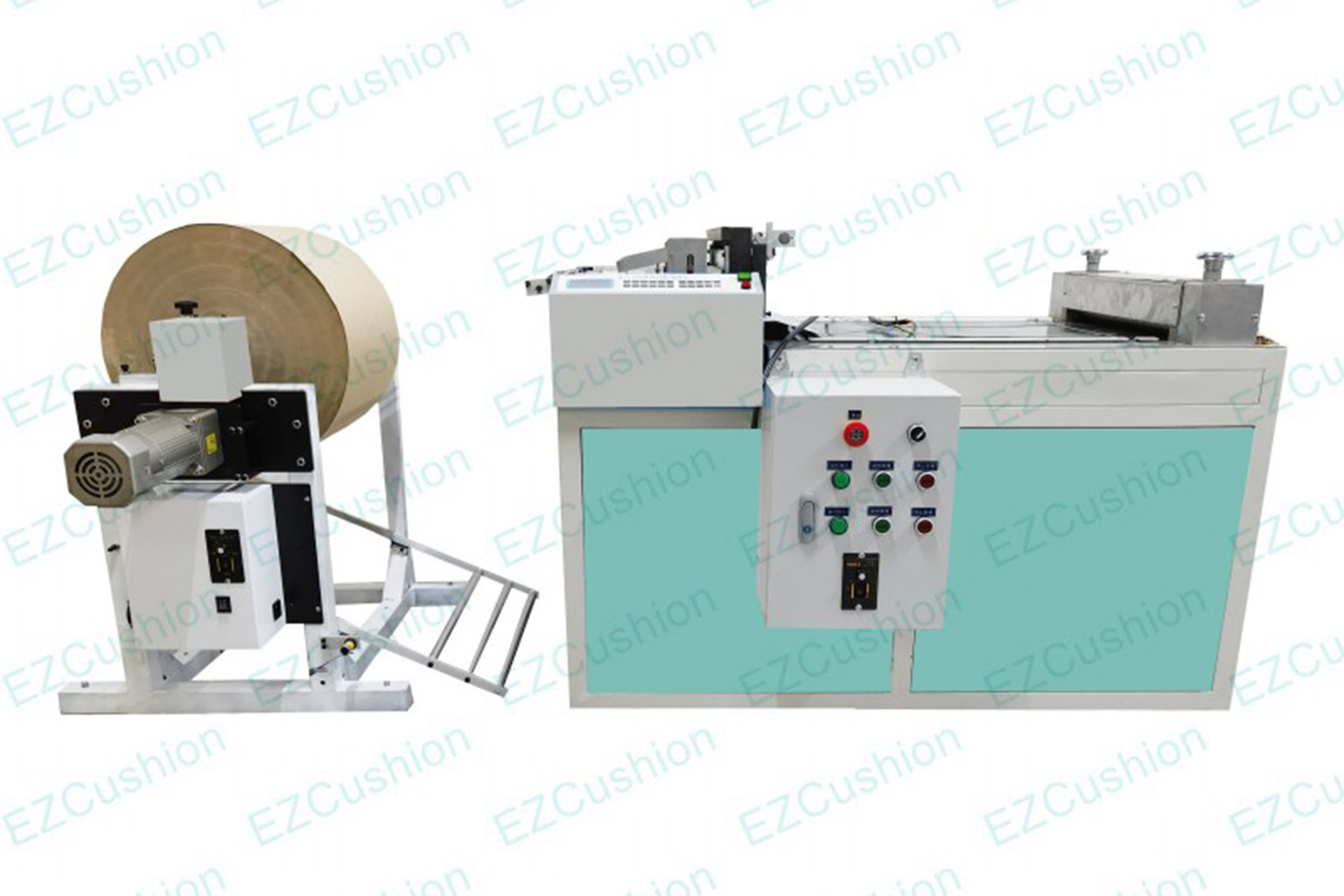
A Roll Feeding Crinkle Paper Shredding Machine is designed to automate the production of crinkle paper from paper rolls. By continuously feeding paper into a cutting and crinkling system, the machine produces uniform, flexible paper strips that can be used directly as packaging filler.
Compared with manual paper cutting and crinkling, an automated machine can provide more consistent output while reducing labor requirements. This makes roll-fed crinkle paper shredding machines suitable for packaging manufacturers, e-commerce fulfillment operations, and businesses that consume large quantities of paper filler.
What Is a Roll Feeding Crinkle Paper Shredding Machine?
A Roll Feeding Crinkle Paper Shredding Machine is a specialized piece of paper processing equipment that converts paper rolls into crinkle-cut paper strips. Depending on the machine design, suitable materials may include kraft paper, recycled paper, colored paper, lightweight cardstock, and other paper-based materials.
The roll feeding system allows the machine to process continuous paper material rather than requiring operators to feed individual sheets. The paper passes through the cutting and crinkling mechanisms, where it is transformed into narrow strips with a three-dimensional, spring-like structure.
This structure gives crinkle paper more volume than flat paper while helping it fill empty spaces around products. As a result, it can provide both cushioning and decorative value in packaging applications.
How Does a Roll Feeding Crinkle Paper Shredding Machine Work?
The production process is relatively straightforward. First, a paper roll is mounted on the feeding system and aligned properly. The feeding mechanism then moves the paper into the machine at a controlled speed. Stable feeding is important because uneven tension or paper deviation can affect the consistency of the finished material.
The paper then passes through the cutting and crinkling section. Precision blades or cutting components divide the paper into narrow strips, while rollers or forming components create the characteristic crinkled or zigzag structure. The combination of cutting and forming gives the paper a lightweight but flexible shape suitable for packaging.
After processing, the finished crinkle paper is discharged from the machine for collection, storage, or direct use. Continuous feeding allows the equipment to maintain a stable production process and reduces the need for frequent manual intervention.
What Materials Can Be Used?
Kraft paper is one of the most common materials for producing crinkle paper because it offers a useful combination of strength, flexibility, and recyclability. Recycled paper can also be processed when businesses want to increase the recycled content of their packaging materials.
Depending on the machine configuration, other options may include colored paper, printed paper, lightweight cardstock, corrugated paper, and other suitable paper-based materials. The appropriate material depends on the required cushioning performance, appearance, paper thickness, and machine specifications.
Before purchasing a machine, businesses should therefore confirm the supported paper thickness, roll dimensions, material type, and required strip width.
Key Benefits of Roll Feeding Crinkle Paper Shredding Machines
Continuous Paper Feeding
One of the main advantages of a roll feeding design is continuous material input. Instead of repeatedly loading individual sheets, operators can install a paper roll and allow the machine to process the material continuously.
This is particularly useful for packaging operations with relatively high material consumption. Continuous feeding can reduce interruptions and make production easier to manage.
Consistent Crinkle Paper Output
Manual shredding and crinkling can produce inconsistent strip sizes and textures. An automated crinkle paper machine provides more controlled cutting and forming, helping maintain consistent output.
Consistent paper size and crinkle structure are important when the finished material is used for large-scale packaging because they help maintain a more uniform appearance and packaging performance.
Reduced Labor Requirements
A roll-fed machine can automate much of the feeding, cutting, and crinkling process. This reduces the amount of repetitive manual work required to prepare packaging filler.
For e-commerce warehouses, packaging suppliers, and manufacturing facilities, reducing manual processing can help improve overall packaging efficiency.
Paper-Based Packaging Material
Crinkle paper provides a paper-based alternative to some plastic fillers and can support businesses seeking more environmentally conscious packaging materials. Recyclable or recycled paper can be selected depending on the application and local recycling requirements.
However, the environmental benefits ultimately depend on the paper source, coatings, inks, disposal system, and overall packaging design, so businesses should evaluate the complete material lifecycle rather than relying on the machine alone.
Applications of Crinkle Paper
E-Commerce Packaging
E-commerce products often need protection against movement and impact during transportation. Crinkle paper can be placed around products inside shipping cartons to fill empty spaces and provide cushioning.
It is particularly suitable for cosmetics, candles, small electronics, handmade products, accessories, and other retail goods that require both protection and attractive presentation.
Gift and Retail Packaging
Crinkle paper is widely used as decorative filler in gift boxes, baskets, subscription boxes, and premium retail packaging. Its textured appearance adds volume and helps create a more visually appealing unboxing experience.
Colored or customized paper can also be used when appearance and brand presentation are important.
Fragile Product Packaging
Glassware, ceramics, bottles, and other fragile products can benefit from crinkle paper as a void-filling and cushioning material. The crinkled structure creates additional volume around the product and helps reduce unwanted movement inside the box.
For fragile products, however, the packaging system should be designed according to the product’s weight, shape, fragility, and transportation conditions rather than relying on filler material alone.
Cosmetics and Personal Care Packaging
Cosmetic and personal care brands often place a strong emphasis on packaging appearance. Crinkle paper can combine protective filling with an attractive presentation, making it suitable for cosmetic boxes, skincare packaging, gift sets, and subscription boxes.
Industrial and Logistics Packaging
Crinkle paper can also be used for industrial products and components that require lightweight void filling during transportation. Depending on the material and product requirements, it can help keep products separated and reduce movement inside cartons.
How to Choose the Right Roll Feeding Crinkle Paper Shredding Machine
When selecting a Roll Feeding Crinkle Paper Shredding Machine, production capacity should be one of the first considerations. A machine designed for a small packaging operation may not be suitable for a facility that requires continuous high-volume production.
Paper compatibility is equally important. Check the supported paper thickness, roll diameter, paper width, and material types before making a purchase. For example, one industrial model lists support for kraft paper, recycled paper, corrugated paper, newsprint, bond paper, white paper, and tissue paper, while other machines are designed for narrower material ranges.
Businesses should also consider cutting width, feeding stability, machine dimensions, power consumption, maintenance requirements, safety features, and after-sales support. These factors can have a significant impact on the machine’s long-term operating cost.
Roll Feeding vs. Manual Crinkle Paper Production
Manual paper processing may be acceptable for very small packaging volumes, but it becomes increasingly inefficient as demand grows. Operators have to repeatedly cut, crinkle, and prepare the material, while output consistency can vary.
A roll feeding crinkle paper shredding machine automates these repetitive processes and provides continuous material processing. This makes it a more practical choice for businesses that use crinkle paper regularly or need to produce packaging filler at a higher volume.
The right choice ultimately depends on production requirements. Small businesses with limited packaging needs may prioritize compact equipment, while packaging manufacturers and high-volume fulfillment operations may benefit more from continuous roll feeding and higher output capacity.
Maintenance Tips for Stable Operation
Regular maintenance is important for keeping a crinkle paper shredding machine operating consistently. Operators should regularly remove paper residues from the feeding and cutting areas and check whether the blades and rollers are clean and in good condition.
Paper roll alignment and feeding tension should also be checked before production. Incorrect alignment can cause paper deviation, uneven feeding, or interruptions. For machines processing large quantities of material, routine inspection of transmission components and other moving parts can help identify potential problems before they lead to downtime.
Following the manufacturer’s maintenance schedule and using suitable paper materials are also important for extending equipment service life.
Conclusion
A Roll Feeding Crinkle Paper Shredding Machine provides an efficient way to convert paper rolls into crinkle paper for protective and decorative packaging. Its continuous feeding design, automated cutting and crinkling process, and consistent output make it suitable for businesses with regular or high-volume packaging requirements.
From e-commerce shipping and gift packaging to fragile products and industrial applications, crinkle paper can serve both functional and presentation purposes. As businesses continue to explore paper-based packaging materials, a properly selected crinkle paper shredding machine can help improve production efficiency while supporting more flexible packaging operations.
FAQ
What is a Roll Feeding Crinkle Paper Shredding Machine?
It is a machine that continuously feeds paper rolls into a cutting and crinkling system to produce narrow, three-dimensional paper strips for packaging filler.
What paper can be used in a crinkle paper shredding machine?
Common materials include kraft paper, recycled paper, colored paper, printed paper, and lightweight cardstock. The exact material range depends on the machine model.
What is crinkle paper used for?
Crinkle paper is commonly used for e-commerce packaging, gift boxes, retail packaging, cosmetics, fragile products, and industrial void filling.
Is roll feeding better than manual paper feeding?
For medium- and high-volume production, roll feeding can improve continuity, reduce repetitive labor, and provide more consistent output than manual processing.
How do I choose a crinkle paper shredding machine?
Consider required capacity, paper type and thickness, roll dimensions, cutting width, feeding system, power requirements, machine size, maintenance, and after-sales support.


