

Introduction
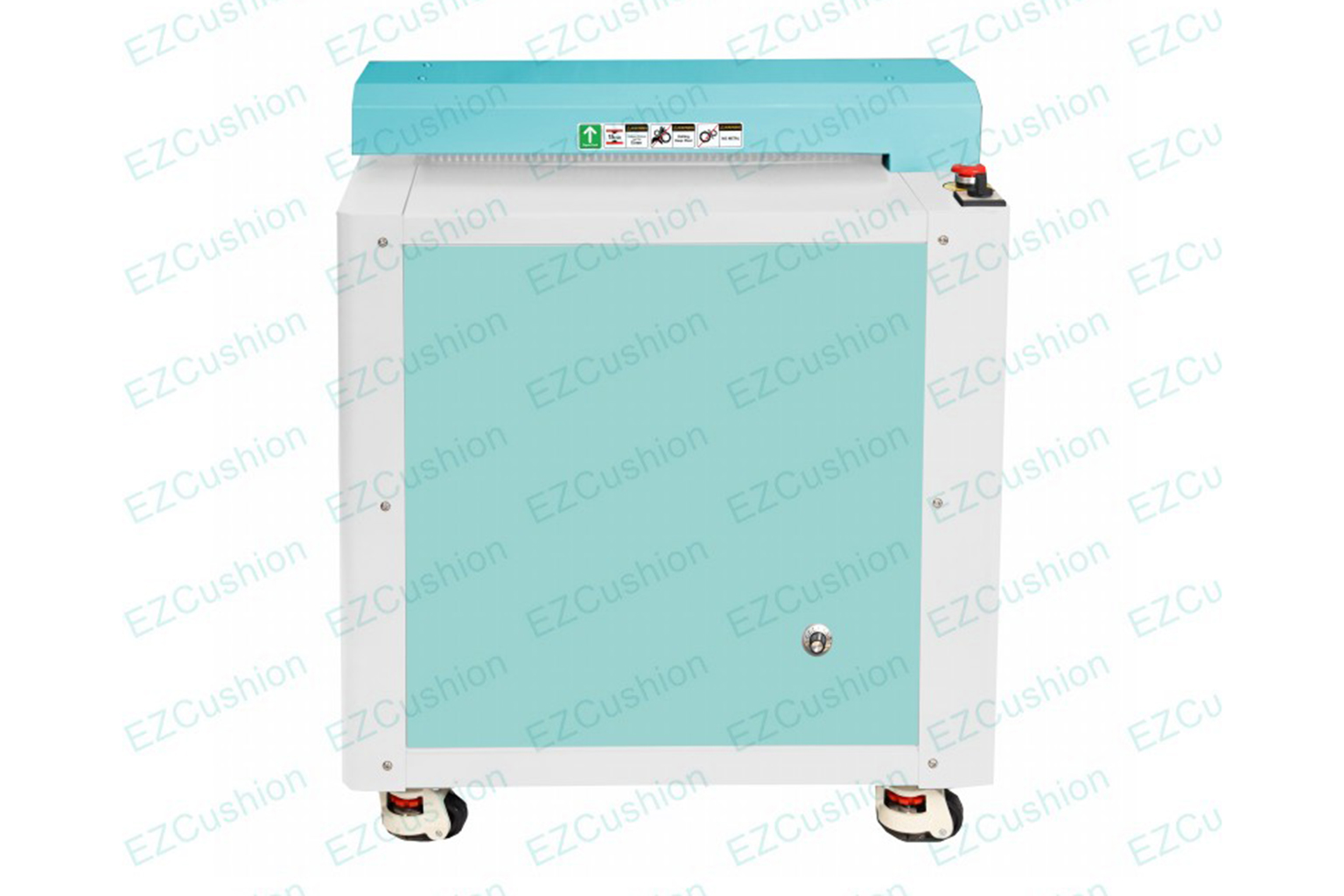
Businesses that handle large quantities of cardboard and paper waste often face the same challenge: how to process discarded packaging materials efficiently without increasing labor, storage, and waste disposal costs. A Heavy Duty Paper Cardboard Shredder can provide a practical solution by processing used cardboard into smaller, more manageable pieces or reusable packaging material.
However, choosing the right cardboard shredding machine is not simply about selecting the most powerful model. Factors such as material type, processing capacity, cutting performance, feed size, motor power, operating frequency, machine dimensions, and maintenance requirements can all affect the final result.
For warehouses, e-commerce businesses, manufacturers, retailers, logistics companies, and packaging operations, understanding these factors can make it easier to select a machine that matches actual production requirements.
Determine the Type of Cardboard You Need to Process
The first step is to understand the material that your business generates.
Cardboard waste can include single-wall corrugated cardboard, double-wall cardboard, multilayer sheets, paperboard, packaging boxes, and other paper-based materials. Different materials can vary considerably in thickness, density, and structure.
Before purchasing a Heavy Duty Paper Cardboard Shredder, consider:
What type of cardboard do you process?
What is the maximum material thickness?
Are the materials clean and dry?
Do you need to process cardboard boxes or flat cardboard sheets?
Will the machine also handle paper or other compatible materials?
A machine should be selected according to the manufacturer’s specified material compatibility rather than assuming that every cardboard shredder can process every type of paper-based material.
Consider Required Processing Capacity
Processing capacity is one of the most important factors for businesses with high volumes of cardboard waste.
A small warehouse may only need to process several boxes per hour, while a distribution center or manufacturing facility may generate cardboard continuously throughout the working day. Choosing a machine with insufficient capacity can create bottlenecks and increase manual handling.
When evaluating capacity, look at:
Processing speed
Maximum feed width
Material thickness
Continuous operating capability
Recommended daily workload
Motor performance
It is also important to distinguish between theoretical maximum capacity and actual operating capacity. Real-world performance can depend on the cardboard type, feeding method, moisture content, cutting configuration, and operator workflow.
Check the Motor Power and Drive System
Motor power directly affects how effectively a heavy duty cardboard shredder can process demanding materials.
A higher-power motor can provide greater cutting force, but simply choosing the model with the largest motor is not always the best approach. Excessive capacity can increase equipment cost and energy consumption without providing meaningful benefits for a smaller operation.
Instead, match the drive system to your actual workload.
For intensive industrial applications, consider whether the machine is designed for:
High-volume processing
Thick or dense cardboard
Long operating cycles
Frequent starting and stopping
Continuous material feeding
A properly matched motor and drive system can help maintain stable performance while avoiding unnecessary operating costs.
Evaluate the Cutting Performance
The cutting mechanism determines how cardboard is processed and what type of output the machine produces.
Depending on the application, businesses may need cardboard that is shredded into smaller pieces or processed into material suitable for protective packaging.
Before making a decision, check:
Cutting mechanism
Output size
Cutting width
Blade or cutting component design
Material feeding method
Expected cutting consistency
If the shredded cardboard will be reused as packaging filler or cushioning material, output consistency becomes particularly important. The final material should be compatible with the intended packaging process.
Choose the Right Feed Opening
The feed opening is another practical specification that is sometimes overlooked.
A narrow feed opening may require operators to cut large cardboard boxes into smaller sections before processing. This adds labor and slows down the workflow.
A larger feed opening can make it easier to process larger pieces of cardboard directly, depending on the machine design.
Consider the typical size of your waste materials and ask:
Can the cardboard enter the machine efficiently without excessive preparation?
The answer can have a significant impact on overall productivity.
Think About Daily Operating Requirements
Not every business operates its cardboard shredder in the same way.
Some companies only process cardboard periodically, while others need equipment capable of handling waste throughout an entire shift.
For frequent or continuous use, look for a Heavy Duty Paper Cardboard Shredder designed for demanding working conditions.
Important considerations include:
Operating cycle
Cooling system
Motor protection
Overload protection
Emergency stop functions
Ease of feeding
Operator accessibility
A machine designed for industrial workloads can be more suitable for businesses that need consistent performance over extended periods.
Consider Machine Size and Available Space
Industrial equipment needs to fit naturally into the existing workflow.
Before purchasing a cardboard shredding machine, measure the available installation area and consider the complete operating space—not just the machine footprint.
Allow sufficient room for:
Material loading
Operator access
Output collection
Routine cleaning
Maintenance
Material storage
For warehouses and packaging facilities with limited floor space, machine dimensions and layout can be just as important as processing capacity.
Look at Ease of Operation and Safety
A machine that is difficult to operate can reduce the productivity benefits of automation.
An ideal heavy duty cardboard shredder should have an intuitive operating system and allow operators to feed materials, monitor operation, and collect processed cardboard efficiently.
Safety features are equally important. Depending on the machine configuration, useful features may include emergency stop controls, overload protection, safety switches, and protective machine structures.
Operators should also receive appropriate training and follow the manufacturer’s operating and maintenance instructions.
Check Maintenance Requirements
Maintenance has a direct effect on machine availability and operating costs.
Before choosing a cardboard shredder, find out how easy it is to access key components for inspection, cleaning, lubrication, adjustment, or replacement.
Ask the supplier about:
Routine maintenance intervals
Blade or cutting component replacement
Lubrication requirements
Electrical maintenance
Spare parts availability
Technical support
Troubleshooting procedures
A machine with straightforward maintenance requirements can help reduce unnecessary downtime over its service life.
Consider Energy Efficiency and Operating Costs
The initial purchase price is only one part of the total cost of ownership.
Businesses should also consider electricity consumption, labor requirements, maintenance, spare parts, downtime, and waste disposal costs.
A suitable machine can potentially help reduce operating expenses by processing cardboard more efficiently and reducing the amount of waste that needs to be stored or transported.
When comparing different models, evaluate the overall operating cost rather than focusing only on the purchase price.
Think About Your Intended Output
The best machine depends partly on what you want to do with the processed cardboard.
For example, businesses may process waste cardboard to:
Reduce waste volume
Prepare cardboard for recycling
Produce protective packaging material
Create cushioning material
Improve internal waste management
Reduce dependence on purchased packaging fillers
If the processed material will be reused for packaging, pay particular attention to the output structure and consistency.
This ensures that the machine supports your actual production process rather than simply reducing waste.
Choose a Reliable Supplier
Equipment quality is only one part of a successful purchase. Supplier support can also have a major impact on long-term operation.
When comparing suppliers, consider their experience with cardboard processing equipment, technical support capabilities, spare parts availability, machine documentation, warranty terms, and after-sales service.
It can also be useful to request information about:
Machine specifications
Processing samples
Recommended applications
Installation requirements
Maintenance instructions
Warranty coverage
Spare parts
Technical support
A supplier that understands your application can help you avoid selecting a machine that is either underpowered or unnecessarily oversized.
Heavy Duty Paper Cardboard Shredder Selection Checklist
Before making a purchase, review the following points:
Material: What types and thicknesses of cardboard will be processed?
Capacity: How much cardboard needs to be processed per hour or per day?
Motor: Is the drive system suitable for the expected workload?
Cutting: Does the output meet your recycling or packaging requirements?
Feed opening: Can typical cardboard sizes be processed efficiently?
Operation: Is the machine suitable for your operating schedule?
Space: Does the equipment fit your available production area?
Safety: Does it provide appropriate operator protection?
Maintenance: Are routine service and component replacement manageable?
Cost: Have you considered the total cost of ownership?
Supplier: Can the manufacturer provide reliable technical and after-sales support?
Conclusion
Choosing the right Heavy Duty Paper Cardboard Shredder requires more than comparing motor power or machine price. Businesses should evaluate their cardboard materials, processing volume, cutting requirements, operating schedule, available space, maintenance needs, energy consumption, and intended output.
For high-volume warehouses, e-commerce operations, logistics centers, manufacturers, retailers, and packaging companies, the right cardboard shredding machine can help streamline waste handling and make better use of discarded packaging materials.
The most suitable machine is ultimately the one that matches your actual workload and integrates efficiently into your existing workflow. By evaluating the key specifications and working with an experienced supplier, businesses can make a more informed investment and build a more efficient cardboard waste management process.
FAQ
What is a Heavy Duty Paper Cardboard Shredder?
A Heavy Duty Paper Cardboard Shredder is an industrial machine designed to process large quantities of waste paper and cardboard. It can reduce bulky cardboard materials into smaller pieces or reusable packaging material, helping businesses improve waste handling and packaging efficiency.
What types of cardboard can a heavy duty cardboard shredder process?
Depending on the machine design, it can process materials such as corrugated cardboard boxes, cardboard sheets, paperboard, and other compatible paper-based packaging materials. Always check the manufacturer’s specifications for maximum material thickness and compatibility.
How do I choose the right cardboard shredder for my business?
Consider your cardboard type, material thickness, processing volume, feed size, required output, motor power, operating hours, available space, and maintenance requirements. Matching these specifications to your actual workload is more important than simply choosing the most powerful machine.
Can a heavy duty cardboard shredder run continuously?
Some industrial models are designed for extended or continuous operation. However, continuous running capability depends on the machine’s motor, cooling system, overload protection, and overall design. Check the manufacturer’s recommended operating cycle before purchase.
What is the difference between a heavy duty and standard cardboard shredder?
A heavy duty cardboard shredder is generally designed for higher workloads, more demanding materials, longer operating periods, and industrial applications. Standard models may be more suitable for businesses with lower cardboard volumes or occasional processing requirements.


