

Introduction
A Mini Paper Cardboard Shredder is a compact packaging machine designed to process waste paper and cardboard into useful packaging material. For e-commerce companies, warehouses, retailers, manufacturers, and small packaging operations, this type of equipment can help turn discarded cardboard into cushioning, void filling, wrapping, and other protective packaging materials.
Understanding how a Mini Paper Cardboard Shredder works can help businesses choose the right equipment, operate it correctly, and maintain consistent performance. Although the machine may have a relatively compact structure, its operation involves several important stages, including material feeding, cutting or shredding, material output, and collection.
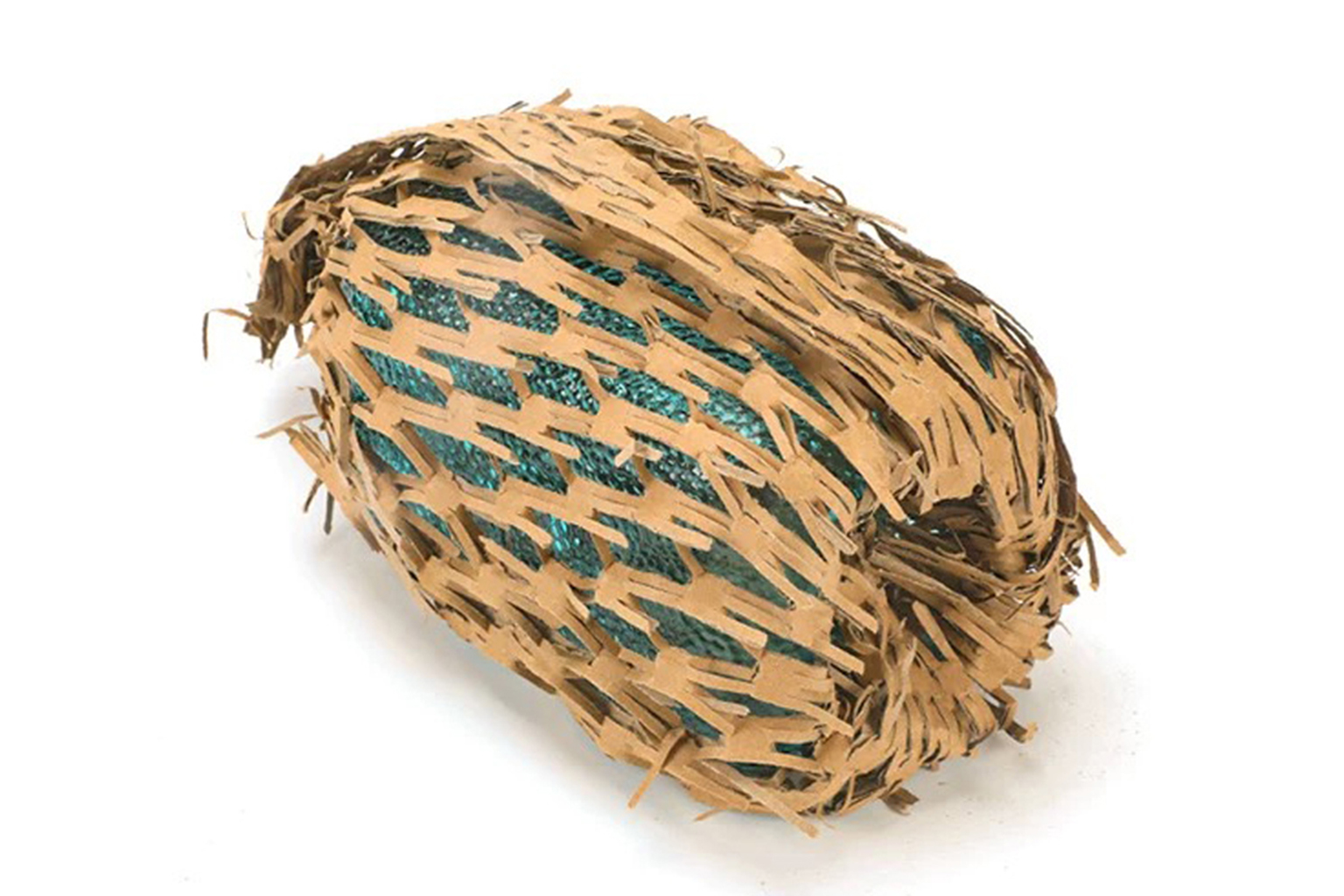
What Is a Mini Paper Cardboard Shredder?
A Mini Paper Cardboard Shredder is a compact machine that mechanically processes paper and cardboard materials into smaller pieces or packaging filler.
Unlike conventional paper shredders designed mainly for documents, cardboard shredders are generally built to handle thicker paper-based materials such as corrugated cardboard.
Depending on the machine design, the processed cardboard can be used for:
Void filling
Product cushioning
Protective wrapping
Box filling
Internal packaging
Surface protection
The main purpose is to make waste cardboard easier and more useful for packaging applications.
How Does a Mini Paper Cardboard Shredder Work?
The working process can generally be divided into several stages:
Cardboard Preparation → Feeding → Cutting/Shredding → Material Processing → Output → Packaging Use
Although specific machine structures vary between manufacturers and models, the basic operating principle is similar.
Prepare the Cardboard
Before feeding cardboard into the machine, operators should check whether the material is suitable for processing.
Commonly processed materials may include:
Corrugated cardboard
Used shipping boxes
Paperboard
Cardboard sheets
Other compatible paper-based packaging
Unsuitable materials such as excessive plastic, metal parts, staples, or other contaminants should be removed according to the manufacturer’s instructions.
Proper material preparation can help reduce the risk of blockages and unnecessary wear.
Feed the Cardboard into the Machine
The prepared cardboard is inserted into the machine’s feeding opening.
The feeding mechanism guides the cardboard toward the cutting or shredding area. Depending on the machine design, feeding may be manual or supported by a powered feeding system.
Operators should avoid exceeding the machine’s recommended material thickness or feeding capacity.
Overfeeding can reduce efficiency and may increase the risk of material jams or motor overload.
The Cutting or Shredding Mechanism Processes the Material
Once the cardboard enters the processing area, rotating cutting components break it down into smaller pieces.
The cutting mechanism may use different configurations depending on the intended output.
For example, a machine designed to create loose filling material may use a different cutting structure from one designed to produce wider cushioning material.
The cutting process determines important characteristics of the final material, including:
Piece size
Material shape
Material flexibility
Cushioning performance
Output volume
This is why businesses should select a machine based on the type of packaging material they need to produce.
The Cardboard Is Converted into Packaging Material
After passing through the cutting mechanism, the original cardboard structure is significantly changed.
Instead of a large flat box or sheet, the material becomes smaller, more flexible, or more expanded depending on the machine’s design.
This makes the processed material easier to use inside shipping cartons.
For example, shredded cardboard can be placed around a product to fill empty spaces and reduce movement during transportation.
Processed Material Exits the Machine
After processing, the finished material exits through the machine’s output section.
The output can be collected in a container, bag, carton, or directly used at a nearby packing station.
A machine positioned close to the packaging area can allow operators to process cardboard and use the material immediately.
This can reduce unnecessary material handling and improve workflow efficiency.
Use the Processed Cardboard for Packaging
The final step is to use the processed cardboard according to the packaging requirements.
Typical applications include:
Void Filling
Processed cardboard can fill empty spaces inside shipping cartons and help prevent products from moving excessively.
Cushioning
It can provide additional protection around suitable products during handling and transportation.
Wrapping
Some types of processed paper-based material can be used as an additional protective layer around products.
Internal Separation
The material can be positioned between products or components to reduce direct contact.
Main Components of a Mini Paper Cardboard Shredder
Although construction varies by model, a typical Mini Paper Cardboard Shredder may include several key components.
1. Feeding Opening
The feeding opening is where cardboard enters the machine.
Its size affects the maximum material dimensions that can be processed.
2. Cutting or Shredding Unit
This is the main processing component. It contains cutting elements that break down the cardboard.
The design of this unit has a direct impact on output characteristics and processing performance.
3. Motor
The motor supplies the mechanical power required to operate the cutting mechanism.
Motor performance should be matched to the machine’s intended cardboard type and workload.
4. Transmission System
The transmission system transfers motor power to the cutting components and helps maintain stable operation.
5. Control System
The control system allows operators to start, stop, and manage the machine.
Some models may include additional controls or protection functions depending on their design.
6. Safety Components
Safety features may include protective covers, emergency stop functions, safety switches, and overload protection.
These features are important for reducing operational risks.
7. Output Area
The processed cardboard exits through the output section, where it can be collected or directed toward the packaging workstation.
What Happens to Cardboard During Shredding?
The shredding process changes the physical structure of the cardboard.
A standard cardboard box consists of relatively rigid sheets or layers. When the material passes through the cutting mechanism, these layers are separated or cut into smaller sections.
The result is a material that is:
Easier to handle
More flexible
More suitable for filling empty spaces
Easier to distribute around products
More useful for certain protective packaging applications
The exact characteristics depend on the cardboard material and machine configuration.
What Determines Shredding Performance?
Several factors can affect the performance of a Mini Paper Cardboard Shredder.
Cardboard Thickness
Thicker cardboard generally requires more cutting force. Always check the machine’s recommended material thickness.
Cardboard Structure
Corrugated cardboard, paperboard, and multi-layer materials may behave differently during processing.
Feeding Speed
Feeding too quickly can overload the machine, while excessively slow feeding may reduce productivity.
Motor Power
Adequate motor power helps the machine maintain stable operation under its intended workload.
Cutting Configuration
The cutting structure determines the shape and size of the processed material.
Maintenance Condition
Worn cutting components, accumulated debris, or poor machine maintenance can affect performance and output consistency.
How to Operate a Mini Paper Cardboard Shredder Efficiently
Following correct operating procedures can help improve efficiency and extend equipment service life.
1. Check the Machine Before Operation
Inspect the feeding area, cutting section, safety devices, and power connections before starting the machine.
2. Prepare Suitable Cardboard
Remove materials that are not suitable for processing and ensure the cardboard meets the manufacturer’s specifications.
3. Avoid Overfeeding
Feed cardboard at a suitable rate instead of forcing large quantities into the machine at once.
4. Monitor the Output
Check the processed material regularly to make sure its characteristics meet your packaging requirements.
5. Stop the Machine When Necessary
If unusual noise, vibration, blockage, or other abnormal conditions occur, stop the machine and follow the manufacturer’s troubleshooting procedures.
Safety Considerations
Safety is an important part of operating any cardboard shredding equipment.
Operators should:
Follow the manufacturer’s operating instructions
Keep hands away from the cutting area
Never bypass safety devices
Avoid feeding unsuitable materials
Do not exceed recommended capacity
Stop the machine before performing maintenance
Keep the surrounding work area clean
Use appropriate protective equipment when required
Only trained operators should operate the machine.
Maintenance of a Mini Paper Cardboard Shredder
Regular maintenance can help maintain stable shredding performance.
Important maintenance tasks may include:
Cleaning
Remove accumulated cardboard dust and debris from appropriate machine areas according to the manufacturer’s instructions.
Cutting Component Inspection
Check cutting components regularly for signs of wear or damage.
Motor Inspection
Monitor motor operation and pay attention to unusual noise, overheating, or vibration.
Electrical Inspection
Check cables, switches, and other electrical components periodically.
Lubrication
If the machine requires lubrication, follow the manufacturer’s recommended lubricant type and maintenance schedule.
Advantages of the Working Principle
The operating principle of a Mini Paper Cardboard Shredder provides several practical advantages for packaging businesses.
On-Site Cardboard Processing
Businesses can process waste cardboard where it is generated rather than transporting it to another location.
On-Demand Packaging Material
Packaging material can be produced when needed, reducing dependence on large inventories of filler materials.
Better Waste Utilization
Used cardboard can be transformed into a useful packaging resource.
Compact Packaging Solution
A mini machine can be easier to integrate into small packing stations and facilities with limited floor space.
Flexible Applications
Processed cardboard can be used for different protective packaging applications depending on the output characteristics.
Conclusion
A Mini Paper Cardboard Shredder works by feeding suitable cardboard into a mechanical cutting or shredding system, processing the material into smaller or more flexible packaging material, and delivering the finished output for use in packaging applications.
The basic process is straightforward, but machine performance depends on factors such as cardboard thickness, material type, motor power, cutting configuration, feeding speed, and maintenance condition.
For businesses looking to reuse waste cardboard, a mini cardboard shredder can provide a practical way to integrate cardboard processing directly into the packaging workflow. When the machine is properly selected, safely operated, and regularly maintained, it can help businesses make better use of waste cardboard while improving packaging efficiency.
FAQ
How does a Mini Paper Cardboard Shredder work?
It feeds suitable cardboard into a cutting or shredding mechanism, where rotating cutting components break the material into smaller or more flexible pieces that can be used for packaging.
What type of cardboard can a Mini Paper Cardboard Shredder process?
Many models can process corrugated cardboard and other paper-based packaging materials, but the acceptable thickness and material type depend on the specific machine.
What can shredded cardboard be used for?
Processed cardboard can be used for void filling, cushioning, wrapping, internal separation, and other protective packaging applications.
Can I put cardboard boxes directly into the shredder?
Some machines can process cardboard boxes after unsuitable components have been removed. Always follow the manufacturer’s recommended feeding method and material specifications.
Does cardboard thickness affect shredding performance?
Yes. Thicker or denser cardboard generally requires more processing force. The material thickness should remain within the machine’s specified operating range.
How can I prevent cardboard jams?
Use compatible cardboard, avoid overfeeding, follow the recommended feeding method, and perform regular cleaning and maintenance.
How often should a Mini Paper Cardboard Shredder be maintained?
Maintenance frequency depends on operating hours, material type, and machine design. Follow the manufacturer’s recommended maintenance schedule and inspect the machine regularly for wear or abnormal operation.


