

Introduction
Protective packaging plays an important role in industrial supply chains. Products may experience vibration, impact, compression, and movement during handling, storage, and transportation. For manufacturers, distributors, logistics companies, and fulfillment centers, choosing the right cushioning solution is therefore essential for reducing product damage while maintaining efficient packaging operations.
A Heavy Duty Paper Cushion Machine provides a practical solution for businesses that need to produce paper-based protective cushioning efficiently. Instead of manually preparing paper materials, the machine processes paper into cushioning material that can be used to fill empty spaces, stabilize products, and provide additional protection inside cartons.
With growing interest in efficient and sustainable packaging, paper cushioning equipment is becoming increasingly useful in industrial packaging environments. This guide explains how Heavy Duty Paper Cushion Machines work, their main advantages, applications, and the key factors businesses should consider when selecting one.
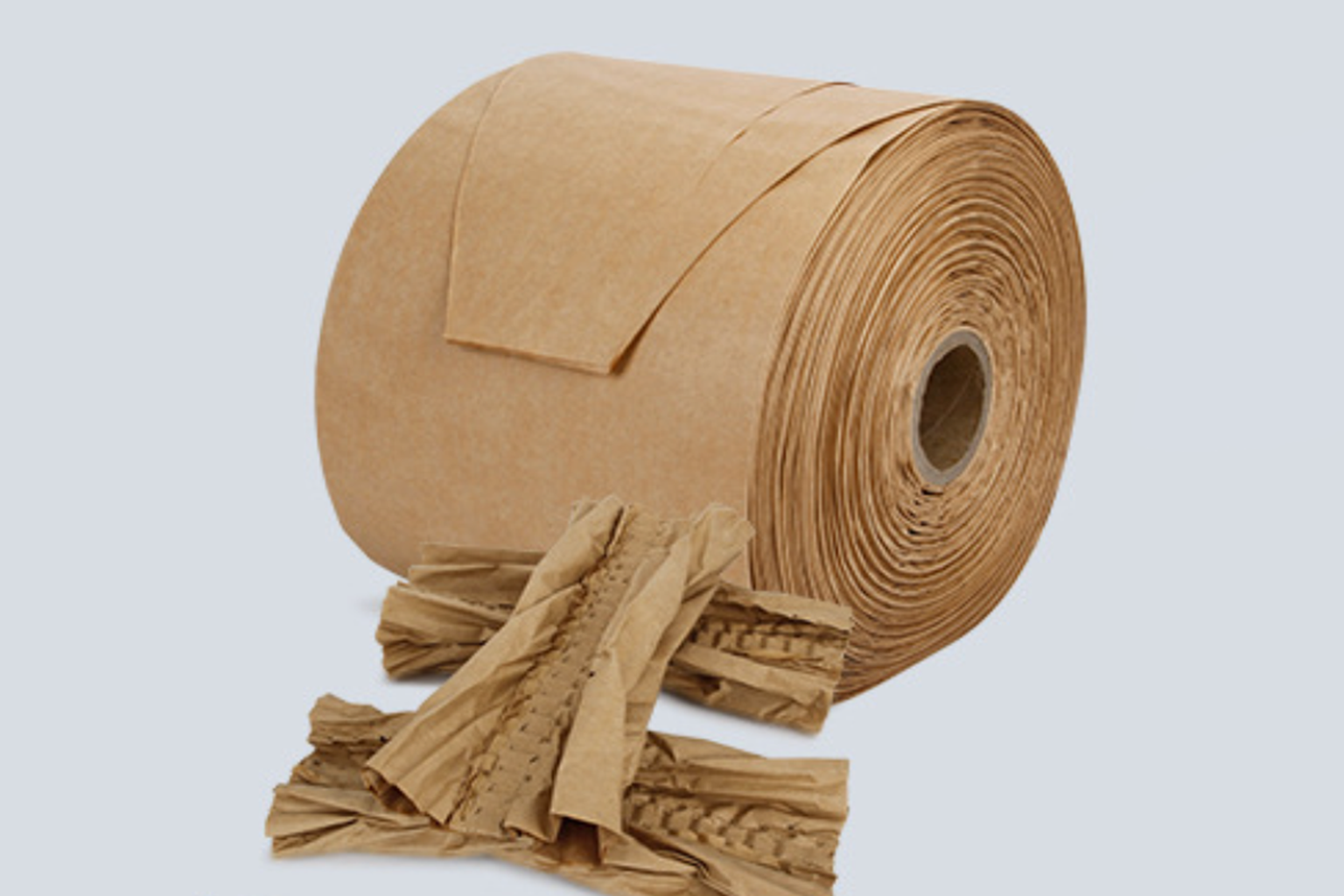
What Is a Heavy Duty Paper Cushion Machine?
A Heavy Duty Paper Cushion Machine is packaging equipment designed to convert paper into protective cushioning material. Depending on the machine’s design, it can process paper into formats suitable for void filling, wrapping, padding, and product protection.
The “heavy duty” designation generally refers to equipment intended for demanding applications, higher workloads, or frequent operation. This makes these machines suitable for businesses that need reliable cushioning production throughout the working day.
Unlike manually prepared paper cushioning, machine-produced cushioning can be generated more quickly and consistently. It can also be produced on demand, allowing packaging teams to make the amount of material required for each order.
How Does a Heavy Duty Paper Cushion Machine Work?
The basic working process is relatively straightforward. Paper is loaded into the machine and guided through a feeding system. The machine then processes the paper through mechanisms that shape, fold, crumple, or otherwise transform it into protective cushioning material.
Depending on the model, the finished material may be cut automatically to the required length or supplied continuously for packaging operations.
A typical workflow includes paper loading, automatic feeding, cushioning formation, cutting or dispensing, and final application inside the shipping carton.
The exact working principle and available functions vary between manufacturers and models, so buyers should review the technical specifications before selecting equipment for a particular packaging process.
Why Use a Paper Cushion Machine for Industrial Packaging?
Industrial packaging often involves large products, heavy components, fragile items, or high order volumes. Preparing cushioning material manually can become inefficient as production increases.
A Heavy Duty Paper Cushion Machine can simplify the process by producing cushioning material directly at the packaging workstation. This reduces the time operators spend preparing protective materials and allows them to focus on product packing, inspection, sealing, and shipping.
The machine can also provide a more standardized cushioning process. Consistent production is especially valuable for companies operating multiple packaging stations where packaging quality needs to remain relatively uniform.
Key Benefits of a Heavy Duty Paper Cushion Machine
Improved Packaging Efficiency
One of the main advantages is faster cushioning production. Instead of manually cutting, folding, or preparing paper, operators can produce cushioning material directly from the machine.
This can help reduce packaging bottlenecks and improve the overall workflow in busy warehouses and manufacturing facilities.
On-Demand Cushioning Production
The machine can produce cushioning material when it is needed. This is particularly useful when products have different sizes and packaging requirements.
Rather than keeping large quantities of pre-made cushioning materials in storage, businesses can produce suitable quantities during the packing process.
Reduced Manual Labor
Manual paper preparation can involve repetitive movements that consume time and labor. Automating cushioning production can reduce these repetitive tasks and allow workers to concentrate on other important packaging activities.
Consistent Output
Machine-based production can provide more consistent cushioning compared with completely manual preparation. This helps businesses establish more standardized packaging procedures and maintain stable production quality.
Better Storage Utilization
Paper cushioning machines can reduce the need to store large quantities of bulky pre-made cushioning products. Businesses can store paper materials and convert them into cushioning as required, helping make better use of warehouse space.
Support for Sustainable Packaging
Paper cushioning can provide an alternative to certain plastic-based protective materials. When appropriate recyclable paper is used, it can support companies seeking to reduce plastic consumption and improve the sustainability of their packaging operations.
Industrial Applications
A Heavy Duty Paper Cushion Machine can be used in a wide range of industrial packaging environments.
Manufacturing
Manufacturers often need to protect components, finished products, spare parts, and equipment during transportation. Paper cushioning can help fill empty spaces and prevent products from moving inside cartons.
E-Commerce and Fulfillment
Online retailers and fulfillment centers process large numbers of orders with different product dimensions. On-demand paper cushioning allows packaging operators to adjust the amount of protective material according to each package.
Logistics and Distribution
Distribution centers may handle products from multiple manufacturers and industries. A flexible cushioning solution can help support different packaging requirements without requiring large quantities of pre-made materials.
Electronics
Electronic products may be sensitive to impact and movement. Paper cushioning can be used to stabilize products inside cartons and provide additional protection during handling and transportation.
Furniture and Large Products
Larger products often require more packaging material to fill empty spaces and prevent movement. A heavy duty machine can be particularly useful for packaging operations with higher cushioning requirements.
Industrial Equipment and Components
Machinery parts, tools, metal components, and other industrial products can benefit from protective cushioning that reduces movement and contact between the product and carton during transportation.
Heavy Duty vs. Standard Paper Cushion Machines
The right machine depends on the packaging workload and application.
Standard machines may be suitable for smaller operations or businesses with moderate packaging volumes. Heavy duty models are generally better suited to demanding environments where the machine is expected to operate frequently and produce larger quantities of cushioning material.
When comparing equipment, businesses should consider production requirements rather than choosing a machine simply because it is labeled “heavy duty.” Important factors include production capacity, operating frequency, compatible paper materials, machine durability, automation functions, and maintenance requirements.
The goal is to select equipment that matches the actual packaging workload while leaving enough capacity for future growth.
What to Consider When Choosing a Heavy Duty Paper Cushion Machine
Production Capacity
Production capacity should be one of the first considerations. Estimate the current number of packages processed per day and determine how much cushioning is typically required for each package.
A machine with sufficient capacity can help avoid production bottlenecks, while excessive capacity may increase the initial investment without providing practical benefits.
Paper Compatibility
Different machines may support different paper types, widths, thicknesses, and weights. Confirm that the machine is compatible with the paper materials you intend to use.
This is particularly important if your company already has established packaging materials or sustainability requirements.
Automation and Controls
Consider how much manual intervention is required during operation. Automatic feeding, cutting, dispensing, and control functions can improve efficiency, especially in high-volume environments.
A clear control interface can also make operator training easier.
Machine Durability
Industrial packaging equipment may operate for long periods and experience frequent mechanical movement. Construction quality, component selection, and overall machine design should therefore be evaluated carefully.
Maintenance Requirements
Choose equipment that can be cleaned, inspected, and maintained efficiently. Easy access to commonly serviced components can help reduce downtime.
Machine Size and Installation
Available floor space should also be considered. The machine should fit comfortably within the packaging workstation while leaving enough room for paper loading, operation, maintenance, and material handling.
Safety Features
Safety should never be overlooked. Buyers should evaluate emergency stop functions, protective covers, control systems, and other safety features before purchasing equipment.
How to Improve Packaging Efficiency with a Paper Cushion Machine
Installing the machine is only the first step. Its position and integration within the packaging workflow can have a significant effect on productivity.
The machine should ideally be located close to the packing station so operators can access cushioning material without unnecessary movement. In larger facilities, multiple machines may be positioned across different packaging areas.
Businesses should also standardize operating procedures. Operators should know how to load paper, adjust the machine, handle jams, clean the equipment, and identify abnormal operating conditions.
Regularly reviewing packaging material consumption can further improve efficiency. Producing the appropriate amount of cushioning for each package helps prevent excessive material use while maintaining product protection.
Maintenance and Long-Term Performance
Regular maintenance is essential for keeping a Heavy Duty Paper Cushion Machine operating reliably. Paper dust and debris should be removed from the feeding and processing areas, while rollers, cutting components, sensors, and other important parts should be inspected periodically.
Operators should also monitor changes in machine performance. Unusual noise, vibration, frequent paper jams, inconsistent cushioning, or reduced production speed may indicate that maintenance is required.
A preventive maintenance program can help identify worn components before they cause unexpected downtime. The specific maintenance schedule should always follow the manufacturer’s recommendations and the actual working conditions of the machine.
Sustainable Packaging with Paper Cushion Machines
Sustainability has become an important consideration in industrial packaging. Companies are increasingly looking for ways to reduce unnecessary plastic while maintaining effective product protection.
Paper cushioning can provide a practical alternative for certain applications that traditionally use plastic-based protective materials. When recyclable paper is selected appropriately, it can also simplify material recovery after the package reaches its destination.
However, sustainable packaging should also consider material efficiency. Using excessive paper is not necessarily a better solution. The ideal approach is to use the appropriate amount of cushioning needed to protect the product while minimizing unnecessary material consumption.
A Heavy Duty Paper Cushion Machine supports this approach by allowing businesses to produce cushioning material on demand according to actual packaging requirements.
Common Problems and How to Prevent Them
Like any packaging equipment, a Heavy Duty Paper Cushion Machine may encounter operating problems if it is not used or maintained correctly.
Paper jams can often be reduced by using suitable paper and keeping the feeding path clean. Uneven cushioning may indicate incorrect material, feeding problems, or worn components. Unusual noise or vibration may suggest mechanical wear and should be investigated promptly.
Operator training is also important. Employees should understand correct loading procedures, basic cleaning, machine controls, and safe jam-removal procedures. More complex mechanical or electrical problems should be handled by qualified maintenance personnel.
Is a Heavy Duty Paper Cushion Machine Worth the Investment?
For companies with high packaging volumes, the value of a Heavy Duty Paper Cushion Machine should be evaluated based on the overall packaging workflow rather than the equipment price alone.
Potential benefits include faster cushioning production, reduced manual preparation, better material control, lower storage requirements, and more consistent packaging operations.
Businesses should compare these potential benefits with factors such as machine cost, paper consumption, maintenance, energy use, labor savings, and expected production volume.
For high-volume operations where cushioning is required continuously, automation can provide greater long-term value than relying entirely on manual preparation.
Conclusion
A Heavy Duty Paper Cushion Machine is a practical solution for industrial packaging operations that need efficient, consistent, and flexible protective cushioning. By producing paper cushioning on demand, the machine can help businesses improve packaging speed, reduce repetitive manual work, optimize storage, and support more sustainable packaging practices.
When selecting a machine, buyers should look beyond production capacity alone. Paper compatibility, automation, durability, maintenance, safety, installation requirements, and actual packaging volume should all be considered.
For manufacturers, logistics providers, e-commerce companies, warehouses, and other high-volume packaging operations, choosing the right Heavy Duty Paper Cushion Machine can help create a more efficient and scalable packaging process while maintaining the product protection required throughout the supply chain.
FAQ
1. What is a Heavy Duty Paper Cushion Machine?
A Heavy Duty Paper Cushion Machine is packaging equipment that converts paper into protective cushioning material. It can be used for void filling, product stabilization, wrapping, and impact protection during transportation.
2. How does a Heavy Duty Paper Cushion Machine work?
The machine feeds paper through a processing system that folds, crumples, forms, or otherwise transforms it into cushioning material. Depending on the model, the finished material can be cut or dispensed automatically for immediate packaging use.
3. What are the main benefits of using a Heavy Duty Paper Cushion Machine?
The main benefits include faster cushioning production, reduced manual labor, consistent output, on-demand material production, better storage utilization, and support for paper-based sustainable packaging.
4. Is a Heavy Duty Paper Cushion Machine suitable for industrial packaging?
Yes. It is particularly suitable for manufacturing, logistics, warehousing, e-commerce fulfillment, industrial equipment, electronics, furniture, and other applications that require reliable protective packaging.
5. What should I consider when choosing a Heavy Duty Paper Cushion Machine?
Important factors include production capacity, paper compatibility, automation level, machine durability, maintenance requirements, machine size, safety features, and energy consumption. The machine should match both current packaging volume and expected future demand.


