

Introduction
In modern tissue paper and disposable paper product manufacturing, production efficiency, consistent folding quality, and reliable equipment performance are essential for maintaining competitiveness. As production volumes continue to increase, traditional manual or low-speed folding methods can make it difficult to meet growing market demands.
A 150m C-Fold Model 800 Paper Folding Machine provides an efficient solution for manufacturers that need high-speed and stable paper folding performance. Designed for continuous production, this type of machine can significantly improve productivity while maintaining accurate and consistent C-folding results.
From reducing labor requirements to improving production stability, investing in a professional C-fold paper folding machine can bring significant benefits to tissue manufacturers, paper product factories, and other industrial users.
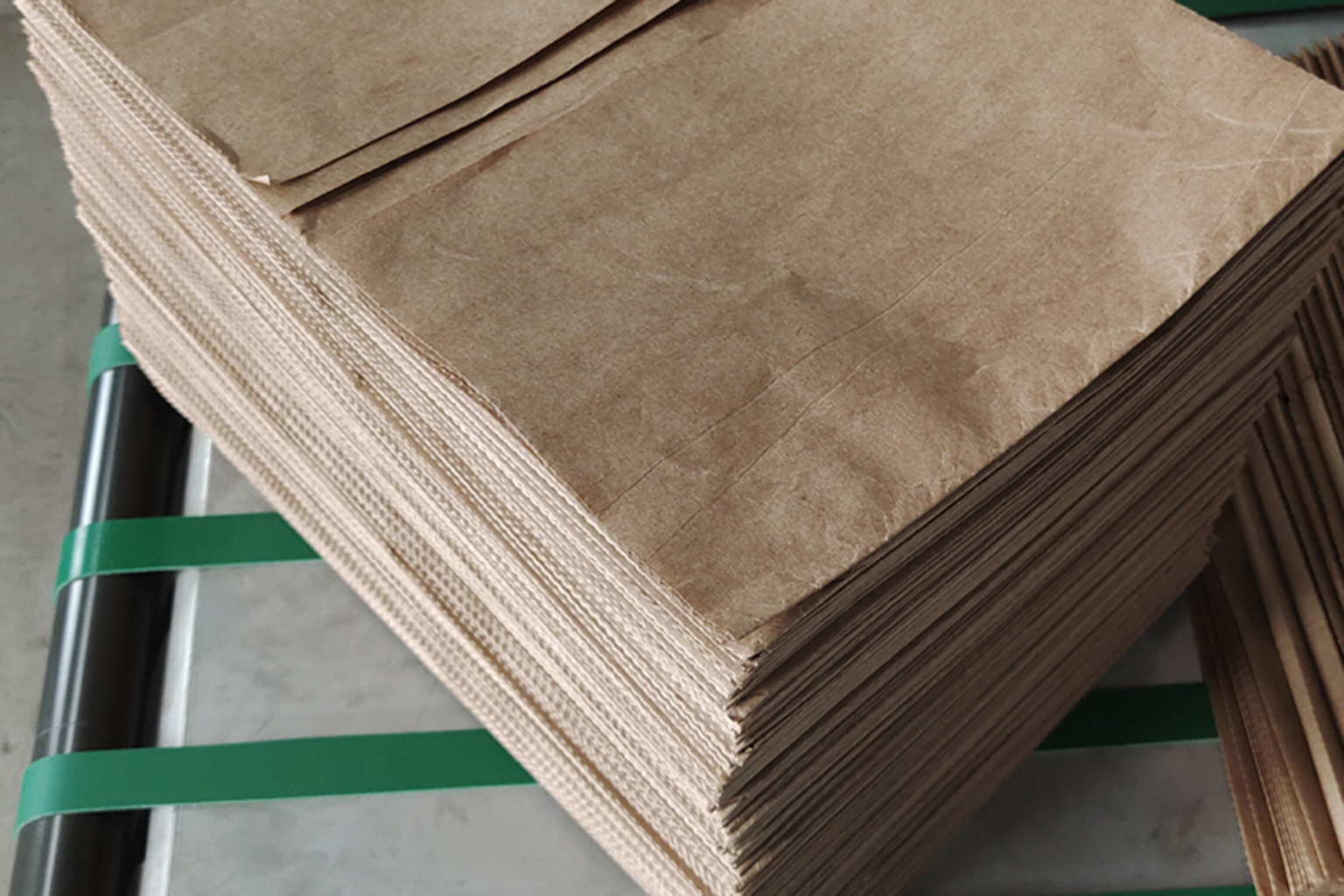
What Is a 150m C-Fold Model 800 Paper Folding Machine?
A 150m C-Fold Model 800 Paper Folding Machine is an automated paper processing machine designed to fold tissue or other suitable paper materials into a C-shaped configuration. The “150m” generally refers to the machine’s production speed, while “Model 800” typically indicates the applicable paper width or machine specification.
Compared with manual folding or conventional low-speed equipment, the machine is designed for continuous and high-speed operation. It can perform paper feeding, folding, and output processes efficiently, helping manufacturers achieve a more streamlined production workflow.
The exact paper material, folding size, speed, and configuration may vary depending on the machine design and manufacturer. Therefore, users should select specifications according to their production requirements.
High-Speed Production for Better Efficiency
One of the most important advantages of a 150m C-Fold Model 800 Paper Folding Machine is its high production speed. With a production capacity of up to 150 meters per minute under suitable operating conditions, manufacturers can process significantly more paper within the same production period.
Higher production speed is particularly valuable for factories handling large orders or supplying disposable tissue products to wholesalers, distributors, hotels, healthcare facilities, restaurants, and other commercial customers.
By increasing production output without requiring a proportional increase in labor, manufacturers can improve overall production efficiency and respond more quickly to changing market demand.
Consistent C-Fold Quality
For folded tissue and paper products, consistent folding is important for both product appearance and downstream packaging operations. Manual folding can result in variations in folding position, dimensions, and alignment, especially when workers need to process large quantities.
A dedicated C-folding machine uses a controlled mechanical folding process to maintain more consistent folding results. Properly configured equipment can help ensure that each sheet follows the intended folding pattern and maintains stable dimensions throughout continuous production.
This consistency can improve finished-product quality while reducing the number of defective or poorly folded products.
Reduced Labor Requirements
Labor costs are an important consideration for paper product manufacturers. Manual folding requires workers to repeatedly perform the same operation, which can be time-consuming and physically demanding.
A 150m C-Fold Model 800 Paper Folding Machine automates the core folding process, reducing the amount of manual intervention required during production. Operators can focus more on machine monitoring, material preparation, quality inspection, and packaging rather than repetitive folding tasks.
This can help manufacturers optimize workforce allocation and reduce dependence on manual production, particularly in high-volume manufacturing environments.
Improved Production Stability
Production stability is another major benefit of using professional folding equipment. Manual processes can be affected by worker fatigue, inconsistent operating methods, and differences between individual operators.
An automated folding machine provides a more standardized production process. Once the machine has been properly adjusted, important parameters such as feeding, folding, and output can remain relatively consistent during continuous operation.
Stable production helps manufacturers maintain predictable product quality and reduce interruptions caused by inconsistent manual processing.
Better Material Utilization
Efficient paper handling is essential because raw material represents a significant portion of manufacturing costs. Incorrect feeding, misalignment, or inconsistent folding can result in unnecessary material waste.
A properly designed C-fold paper folding machine can provide controlled paper feeding and folding, helping reduce errors during processing. When combined with appropriate machine settings and regular maintenance, this can contribute to better material utilization.
Reducing paper waste not only lowers production costs but also supports more sustainable manufacturing practices.
Suitable for High-Volume Manufacturing
The high-speed design of a 150m C-Fold Model 800 Paper Folding Machine makes it suitable for manufacturers with relatively high production requirements. It can be integrated into production lines where continuous paper processing and stable output are important.
Typical users may include tissue manufacturers, disposable paper product factories, hygiene product suppliers, and companies producing folded paper products for commercial or institutional applications.
For factories that need to increase capacity without substantially expanding their production workforce, automated folding equipment can be an important part of the overall production strategy.
Easy Integration into Automated Production Lines
Modern paper product manufacturing increasingly relies on automated production lines. A professional C-fold folding machine can be incorporated into a larger production process together with paper feeding, cutting, counting, stacking, packaging, and other equipment.
This allows manufacturers to create a more continuous workflow from raw material processing to finished-product packaging.
When selecting equipment, manufacturers should consider not only the folding machine itself but also its compatibility with upstream and downstream equipment. Proper integration can help reduce manual handling and improve overall line efficiency.
Lower Long-Term Operating Costs
Although purchasing an industrial paper folding machine requires an initial investment, the long-term operating benefits can make the investment worthwhile for high-volume manufacturers.
Higher production efficiency, lower labor requirements, reduced material waste, and more consistent product quality can all contribute to lower production costs per unit.
The actual return on investment depends on factors such as production volume, labor costs, operating hours, energy consumption, maintenance requirements, and equipment utilization. Manufacturers should therefore evaluate the total cost of ownership rather than focusing only on the initial purchase price.
Improved Product Competitiveness
Consistent product quality and reliable delivery are important factors in B2B paper product markets. Customers often expect suppliers to provide products with stable dimensions, consistent folding, and dependable delivery schedules.
By using a high-speed C-fold paper folding machine, manufacturers can improve their production capabilities and provide more consistent finished products. Higher production capacity can also help factories accept larger orders and shorten delivery times.
These advantages can strengthen a manufacturer’s competitiveness when supplying distributors, wholesalers, commercial customers, and international buyers.
What Should You Consider Before Buying?
Before purchasing a 150m C-Fold Model 800 Paper Folding Machine, manufacturers should evaluate several important factors. Paper type and thickness should match the machine’s specifications, while the required folding size and production capacity should meet actual manufacturing needs.
It is also important to evaluate machine construction, control systems, feeding accuracy, folding stability, ease of operation, maintenance requirements, safety features, and spare-part availability. Technical support and after-sales service should also be considered, especially for manufacturers operating continuous production lines.
Choosing a machine based solely on maximum speed may not always be the best approach. A suitable machine should provide a balance between speed, folding quality, reliability, maintenance, and overall operating cost.
Conclusion
A 150m C-Fold Model 800 Paper Folding Machine can provide significant advantages for manufacturers looking to improve paper folding efficiency and production capacity. High-speed operation, consistent folding quality, reduced labor requirements, better material utilization, and improved production stability make automated folding equipment a valuable investment for high-volume manufacturing.
For companies planning to upgrade their production lines, the right C-fold paper folding machine can help create a more efficient and standardized manufacturing process while supporting long-term cost control and business growth. By carefully evaluating machine specifications, production requirements, automation capabilities, and supplier support, manufacturers can select equipment that delivers reliable performance and long-term value.


