

Introduction
As global demand for sustainable packaging continues to grow, manufacturers are investing in advanced equipment that can improve productivity while reducing environmental impact. Kraft paper has become one of the most popular alternatives to plastic packaging, driving the need for faster, smarter, and more efficient paper processing equipment.
A High Speed Fanfold Kraft Paper Folding Machine is no longer just a machine for folding paper. It is becoming an intelligent production solution that integrates automation, digital control, energy efficiency, and flexible manufacturing. As Industry 4.0 technologies continue to evolve, these machines are expected to play an even greater role in modern packaging production.
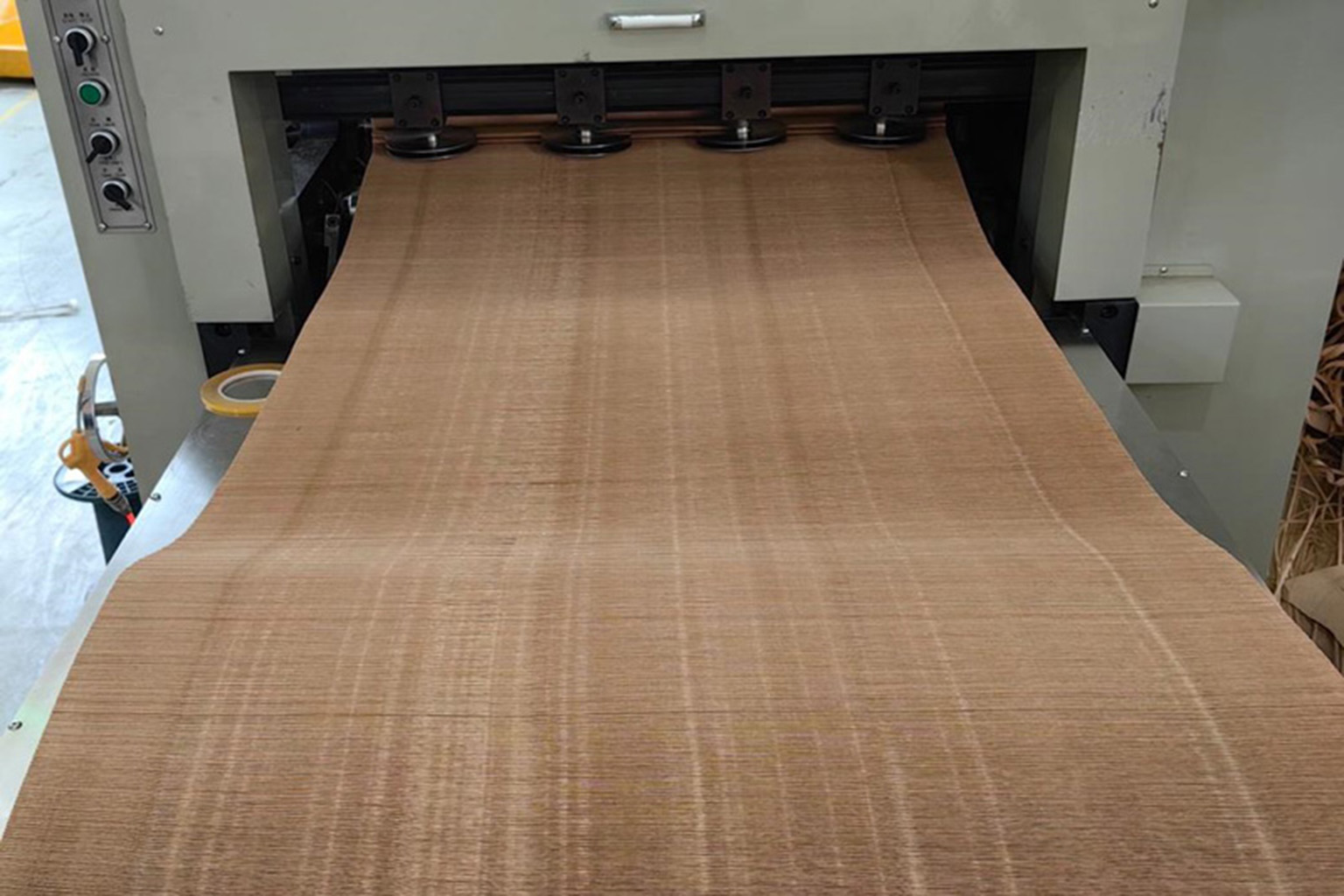
Increasing Automation for Higher Productivity
Automation has become one of the biggest trends in packaging machinery. As labor costs continue to rise and skilled workers become more difficult to recruit, manufacturers are seeking equipment that can operate with minimal manual intervention.
Future High Speed Fanfold Kraft Paper Folding Machines will feature higher levels of automation, including automatic paper loading, intelligent feeding adjustment, automatic counting, stack collection, and fault detection. These capabilities allow manufacturers to reduce labor requirements while maintaining continuous, high-speed production and consistent product quality.
Smarter Control Systems
Modern machines are increasingly equipped with advanced PLC controllers and touch-screen interfaces, but future systems will become even more intelligent.
Instead of relying heavily on manual adjustments, next-generation folding machines will automatically optimize production parameters according to paper specifications, operating speed, and production requirements. Smart control systems will help operators complete machine setup more quickly, reduce adjustment time, and improve production stability while minimizing human error.
Integration with Smart Manufacturing
Industry 4.0 is transforming factories into connected production environments where equipment communicates in real time. High Speed Fanfold Kraft Paper Folding Machines are expected to become part of fully integrated smart manufacturing systems.
By connecting with MES, ERP, and production management software, manufacturers can monitor machine status, production output, operating efficiency, and maintenance schedules from a centralized platform. This level of connectivity enables better production planning, faster decision-making, and improved resource utilization across the factory.
Predictive Maintenance Through Intelligent Monitoring
Traditional maintenance often relies on fixed schedules or repairs after equipment failures occur. Future machines will increasingly use intelligent monitoring systems to predict maintenance needs before problems develop.
Sensors can continuously monitor vibration, motor temperature, operating speed, and other critical parameters. When abnormal conditions are detected, the system can notify operators to perform maintenance before production is affected. Predictive maintenance reduces unexpected downtime, extends equipment life, and lowers repair costs.
Greater Energy Efficiency
Reducing energy consumption has become an important goal for manufacturers looking to lower operating costs and meet environmental requirements.
Future High Speed Fanfold Kraft Paper Folding Machines will incorporate energy-saving servo motors, optimized drive systems, and intelligent power management technologies that consume electricity only when necessary. Improved mechanical design will also reduce friction and increase overall operating efficiency, helping manufacturers lower both energy costs and carbon emissions.
Higher Precision and Stable Performance
Packaging manufacturers increasingly demand consistent folding quality, especially when fanfold kraft paper is used in automated packaging systems.
Future equipment will feature more precise servo control, improved paper tension systems, and higher-accuracy feeding mechanisms. These upgrades will produce more uniform fold lengths, smoother paper feeding, and better compatibility with downstream packaging equipment, reducing material waste and improving finished product quality.
Greater Flexibility for Diverse Production Needs
Customers are requesting a wider range of paper sizes, folding lengths, and packaging formats than ever before. As a result, flexibility is becoming a key competitive advantage for machinery manufacturers.
Future folding machines will offer faster format changes, wider compatibility with different paper specifications, and simplified parameter adjustments. This flexibility will enable manufacturers to switch between production orders more efficiently while reducing setup time and improving overall equipment utilization.
Enhanced Human-Machine Interaction
User-friendly operation is becoming increasingly important as manufacturers seek to simplify equipment management and reduce operator training time.
Future High Speed Fanfold Kraft Paper Folding Machines are expected to feature larger touch-screen interfaces, intuitive operating menus, multilingual control systems, and graphical diagnostics. These improvements will make machine operation easier while helping operators quickly identify and resolve production issues.
Supporting Sustainable Packaging Production
Sustainability will remain one of the strongest driving forces behind packaging equipment innovation. As more businesses replace plastic packaging with recyclable paper materials, production equipment must also contribute to environmental goals.
Future machines will be designed to reduce material waste, improve paper utilization, lower energy consumption, and support environmentally friendly manufacturing processes. By combining efficient production with sustainable operation, manufacturers can improve profitability while meeting increasingly strict environmental standards and customer expectations.
Better Integration with Complete Packaging Lines
Rather than operating as standalone equipment, future High Speed Fanfold Kraft Paper Folding Machines will become part of fully automated packaging production lines.
They will integrate more seamlessly with honeycomb paper making machines, paper cushioning machines, paper bubble making machines, automatic cutting systems, conveyors, and robotic packaging equipment. This complete automation will reduce manual handling, improve production efficiency, and create a smoother workflow from raw material processing to finished packaging products.
Choosing a Future-Ready Machine
When investing in new equipment, manufacturers should consider not only current production requirements but also future expansion plans.
A future-ready High Speed Fanfold Kraft Paper Folding Machine should provide scalable automation, intelligent control capabilities, energy-efficient operation, flexible paper compatibility, and reliable after-sales technical support. Selecting equipment with upgrade potential helps businesses remain competitive as production technologies continue to evolve.
Conclusion
The future of High Speed Fanfold Kraft Paper Folding Machines is being shaped by automation, smart control, digital connectivity, and sustainability. As packaging manufacturers pursue greater efficiency and environmental responsibility, intelligent folding machines will play an increasingly important role in modern production facilities.
By investing in advanced equipment that supports Industry 4.0 integration, predictive maintenance, energy efficiency, and flexible manufacturing, businesses can improve productivity, reduce operating costs, and adapt more quickly to changing market demands. Companies that embrace these technological trends today will be better positioned to compete in the rapidly evolving global packaging industry.
FAQ
1. What is the biggest future trend for High Speed Fanfold Kraft Paper Folding Machines?
The most significant trend is the adoption of intelligent automation, allowing machines to operate with minimal manual intervention while improving production efficiency, accuracy, and reliability.
2. How will smart control systems improve machine performance?
Smart control systems can automatically optimize machine settings, monitor operating conditions in real time, reduce setup time, minimize human error, and maintain consistent folding quality throughout production.
3. Why is sustainability important in future machine development?
Manufacturers are increasingly adopting recyclable paper packaging and energy-efficient production methods. Future folding machines will help reduce material waste, lower energy consumption, and support environmentally responsible manufacturing.
4. Can future folding machines integrate with smart factories?
Yes. Modern equipment is increasingly designed to connect with factory management systems, enabling real-time production monitoring, predictive maintenance, data analysis, and centralized equipment management.
5. What should manufacturers look for when purchasing a future-ready folding machine?
Key considerations include automation level, intelligent control functions, energy efficiency, compatibility with various paper specifications, ease of integration with automated production lines, and comprehensive technical support from the equipment supplier.


