

Introduction
A Mini Paper Bubble Making Machine is an efficient and sustainable packaging solution that helps businesses produce eco-friendly paper cushioning materials on demand. From e-commerce companies to manufacturing facilities, these machines improve packaging efficiency while reducing dependence on traditional plastic bubble wrap.
However, like any industrial equipment, regular maintenance is essential to ensure stable performance and extend the machine’s service life. Proper maintenance not only prevents unexpected breakdowns but also helps maintain consistent paper bubble quality, reduce operating costs, and improve overall productivity.
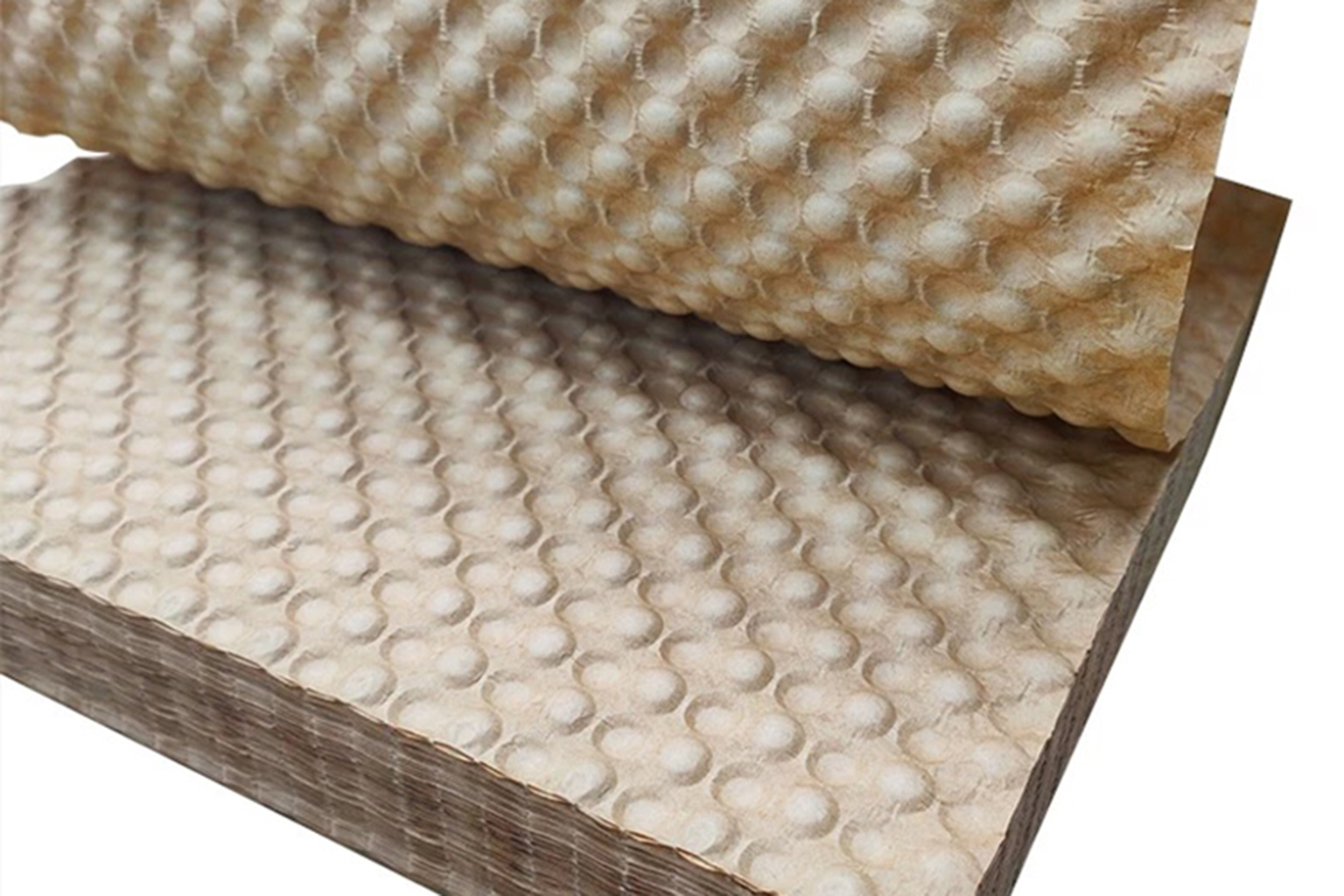
Why Regular Maintenance Is Important
Regular maintenance ensures that your Mini Paper Bubble Making Machine operates efficiently and reliably over time. A well-maintained machine can provide better performance while reducing unnecessary repair costs.
Extends Machine Lifespan
Routine inspections, cleaning, and replacement of worn components help prevent excessive wear and mechanical failures. Proper maintenance allows important parts such as rollers, motors, and cutting systems to operate effectively for a longer period.
Maintains Consistent Packaging Quality
The quality of paper bubble cushioning depends heavily on machine condition. Clean rollers, properly adjusted components, and stable operation ensure consistent bubble formation and reliable product protection.
Reduces Unexpected Downtime
Unexpected machine failures can interrupt packaging operations and delay shipments. Preventive maintenance helps identify potential problems before they become serious issues, minimizing production interruptions.
Improves Production Efficiency
A properly maintained machine runs more smoothly, reducing paper jams, production errors, and operating delays. This allows businesses to maintain faster packaging speeds and improve workflow efficiency.
Lowers Repair and Operating Costs
Small maintenance tasks, such as cleaning and inspection, are much less expensive than major repairs. Preventive maintenance reduces the risk of costly component failures and extends the replacement cycle of machine parts.
Enhances Workplace Safety
Regular checks of electrical systems, moving components, and safety features help create a safer working environment for operators.
Understanding the Main Components of a Mini Paper Bubble Making Machine
Understanding the machine structure helps operators perform more effective maintenance.
Paper Feeding System
The paper feeding system controls how kraft paper enters the machine. Proper alignment and clean feeding rollers ensure smooth paper movement and prevent paper jams.
Forming (Embossing) Rollers
Forming rollers create the bubble-like cushioning structure by shaping the paper. These rollers directly affect the quality, size, and consistency of the finished paper bubbles.
Cutting Mechanism
The cutting system separates the produced paper cushioning into required lengths. A properly maintained cutting mechanism ensures clean and accurate cuts.
Drive Motor and Transmission System
The motor and transmission components provide the power needed for continuous operation. Regular inspection helps prevent performance issues caused by wear or mechanical stress.
Electrical Control System
The control system manages machine operation, speed adjustments, and safety functions. Electrical components should be checked regularly to ensure stable and safe operation.
Machine Frame and Protective Covers
The frame provides structural stability, while protective covers help protect operators from moving parts and keep internal components clean.
Daily Maintenance Checklist
Daily maintenance is simple but essential for preventing small problems from developing into major failures.
Clean the Machine After Each Shift
Paper processing creates dust and small paper particles that may accumulate inside the machine.
Daily cleaning should include:
Removing paper debris
Cleaning around rollers
Wiping external surfaces
Keeping ventilation areas clear
A clean machine operates more efficiently and experiences less wear.
Inspect the Paper Feeding System
Before operation, check:
Whether paper feeds smoothly
Whether rollers are clean
Whether paper alignment is correct
Whether any paper jams exist
Proper feeding prevents uneven paper bubble formation.
Check Paper Roll Installation
Incorrect paper installation can affect production quality.
Make sure:
The paper roll is properly positioned
The paper tension is suitable
The roll is not damaged or deformed
Monitor Machine Performance
During operation, operators should pay attention to:
Unusual noises
Excessive vibration
Changes in production speed
Uneven bubble formation
Early detection helps prevent equipment damage.
Weekly Maintenance Tasks
Weekly maintenance focuses on inspecting important mechanical and electrical components.
Clean the Feeding and Forming Rollers
Dust and paper residue can affect roller performance. Regular cleaning helps maintain consistent paper shaping and prevents material buildup.
Inspect the Cutting Mechanism
Check whether:
The cutting blade remains sharp
The cutting position is accurate
Paper is being cut smoothly
A damaged cutting system may reduce packaging efficiency.
Tighten Loose Fasteners
Continuous machine operation may loosen screws and bolts over time. Inspect and tighten loose connections to maintain machine stability.
Check Belts, Chains, or Drive Components
Inspect transmission parts for:
Wear
Looseness
Abnormal movement
Replace damaged components when necessary.
Inspect Electrical Connections
Check electrical wiring, switches, and connectors to ensure safe and reliable operation.
Monthly Preventive Maintenance
Monthly maintenance provides a deeper inspection of machine performance.
Lubricate Moving Parts (If Recommended)
Some mechanical components may require lubrication according to manufacturer guidelines. Proper lubrication reduces friction and extends component life.
Inspect Motor Performance
Check whether the motor operates smoothly and whether there are signs of overheating or unusual noise.
Check Bearings and Rollers
Worn bearings or rollers can affect machine stability and paper bubble quality. Replace components showing excessive wear.
Examine Safety Devices
Verify that:
Emergency stop functions properly
Protective covers are secure
Safety systems operate correctly
Verify Machine Calibration
Incorrect settings can affect paper bubble size and production quality. Regular calibration helps maintain consistent output.
Replace Worn Components
Replace damaged or aging parts before they cause machine failure or production interruptions.
Common Maintenance Problems and Solutions
| Problem | Possible Causes | Solutions |
| Paper feeding problems | Dirty rollers, incorrect paper installation | Clean rollers and reinstall paper correctly |
| Uneven bubble formation | Worn forming rollers, unsuitable paper | Check rollers and use recommended materials |
| Paper jams | Incorrect tension, debris buildup | Adjust paper position and clean machine components |
| Poor cutting quality | Blunt cutting blade or incorrect adjustment | Replace or adjust cutting components |
| Excessive noise | Loose parts or worn bearings | Tighten components or replace damaged parts |
| Machine stops suddenly | Electrical issues or overload protection | Check power supply and control system |
Best Practices for Long-Term Performance
Use High-Quality Kraft Paper
High-quality paper materials improve cushioning performance and reduce unnecessary stress on machine components.
Follow the Manufacturer’s Maintenance Schedule
Manufacturers provide recommended maintenance intervals based on machine design and operating conditions. Following these guidelines helps maximize equipment reliability.
Train Operators Properly
Operators should understand:
Correct machine operation
Safety procedures
Basic troubleshooting
Daily maintenance tasks
Proper operation prevents avoidable damage.
Maintain a Clean Operating Environment
Keep the workspace:
Dry
Dust-free
Organized
Free from unnecessary obstacles
A clean environment improves machine reliability.
Keep Spare Parts Available
Maintaining commonly replaced parts reduces downtime when repairs are needed.
Record Maintenance Activities
A maintenance log helps track:
Cleaning schedules
Part replacements
Repairs
Performance changes
This information supports better equipment management.
Mistakes to Avoid
Ignoring Small Problems
Minor issues can quickly develop into expensive repairs. Address unusual sounds, vibrations, or quality changes immediately.
Using Incompatible Paper Materials
Incorrect paper specifications may cause feeding problems, poor bubble formation, or excessive machine wear.
Skipping Routine Cleaning
Paper dust buildup can affect machine performance and shorten component lifespan.
Overloading the Machine
Operating beyond recommended capacity increases stress on motors and mechanical components.
Delaying Replacement of Worn Parts
Damaged parts can affect other components and increase repair costs.
Performing Unauthorized Repairs
Incorrect repairs may damage the machine or create safety risks. Always consult professional technical support when necessary.
FAQ
How often should I clean a Mini Paper Bubble Making Machine?
Daily cleaning after operation is recommended. Regular removal of paper dust and debris helps maintain stable performance.
Does the machine require lubrication?
Some moving components may require lubrication, but always follow the manufacturer’s recommendations to avoid incorrect maintenance.
How can I tell if the forming rollers need replacement?
Signs include uneven bubble formation, reduced cushioning quality, unusual noises, or visible roller wear.
What paper materials should I use?
Most machines are designed for kraft paper and other packaging-grade paper materials. Always confirm material compatibility with the manufacturer.
Can regular maintenance improve packaging quality?
Yes. Proper maintenance keeps forming rollers, feeding systems, and cutting mechanisms working accurately, ensuring consistent packaging output.
When should I contact the manufacturer for technical support?
Contact the manufacturer when experiencing electrical problems, repeated failures, abnormal machine performance, or issues that cannot be solved through basic maintenance.
Conclusion
Regular maintenance is the key to achieving long-term performance from a Mini Paper Bubble Making Machine. By following daily cleaning routines, performing scheduled inspections, replacing worn components, and training operators properly, businesses can maximize machine lifespan and maintain consistent packaging quality.
A well-maintained paper bubble making machine not only reduces downtime and operating costs but also helps companies achieve more efficient and sustainable packaging operations.
Whether you operate an e-commerce warehouse, manufacturing facility, or packaging service business, investing time in preventive maintenance will ensure your Mini Paper Bubble Making Machine continues delivering reliable performance for years to come.


