

Introduction
Investing in a high-speed bubble paper making machine requires careful evaluation of throughput, durability, and automation capabilities. The right machine can transform your packaging operation, reducing material costs and labor while meeting sustainability goals. This guide highlights the critical features that separate entry-level units from truly industrial-grade equipment.
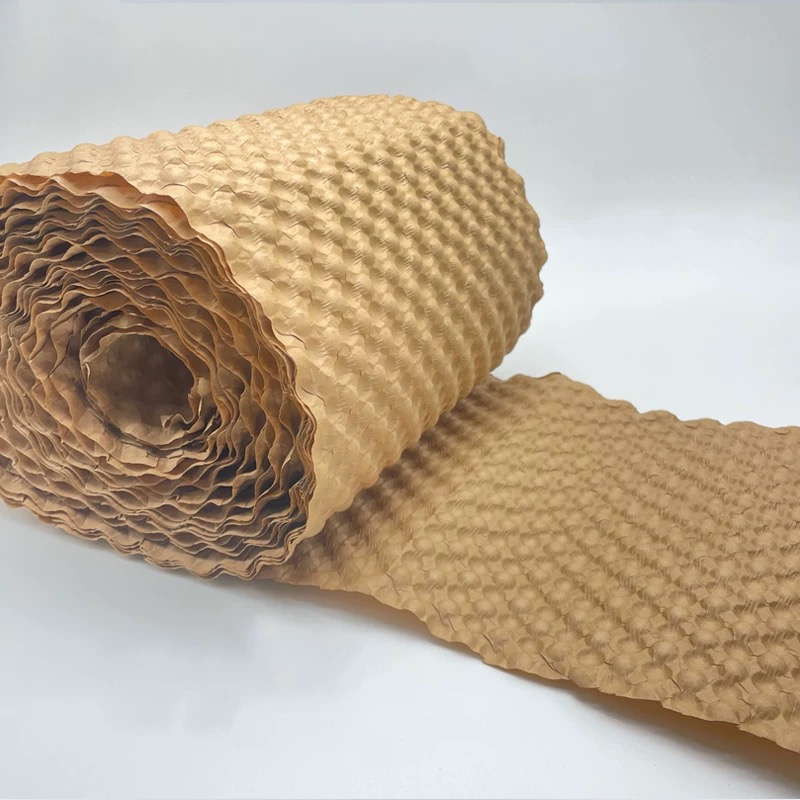
Kraft Paper Bubble Making Machine SD PB1200 3
Performance and Throughput Specifications
Production Speed
Speed is the most obvious metric, but real-world output matters more than catalog claims. Industrial-grade high-speed bubble paper making machines typically run at 15–20+ meters per minute, while entry-level models operate at 5–10 m/min. Some advanced models can reach 30 m/min, making them suitable for large-scale packaging lines.
Your actual throughput depends on duty cycle, not just top speed. A machine that can maintain 15 m/min across multiple shifts with minimal downtime delivers more value than a faster unit that overheats or jams frequently.
Paper Width Capacity
Wider paper capacity means greater flexibility. Entry-level machines handle 250–300mm widths, while industrial models accommodate 400–660mm rolls. The PaperEZ 400, for example, supports 400mm paper and includes optional roll paper brackets for bulk kraft rolls. For high-volume operations handling large items, 600mm-capacity machines provide maximum versatility.
Build Quality and Durability
Material Construction and Roller Design
Industrial-grade machines feature rollers made from high-strength metal alloy materials that maintain performance over extended periods. Forming rollers made of hardened alloy steel (HRC 55-62) with a lifespan of 12,000–18,000 hours on standard kraft paper are essential for continuous operations.
The second-generation roller designs also ensure consistent tension and feeding, translating to quieter operation and fewer jams—critical in professional settings.
Duty Cycle and Multi-Shift Capability
Industrial machines are built for continuous multi-shift operation, while entry-level units are designed for light intermittent use. When evaluating a high-speed bubble paper making machine, verify whether it can handle 20–22 hours of daily production with 2–4 hours allocated to preventive maintenance.
Cutting and Control Systems
| Feature | Entry-Level | Industrial-Grade |
|---|---|---|
| Cutting Method | Manual tear line or optional add-on cutter | Built-in automatic cutter with preset length control |
| Control Interface | Button or foot pedal control | Touchscreen with programmable length and batch settings |
| Paper Compatibility | Fanfold paper only | Fanfold and roll paper compatibility |
| Integration | Standalone operation | Conveyor-compatible with automatic feeding |
| Roll Change | Manual | Quick-change systems for minimal downtime |
Automatic Cutting Precision
A built-in automatic cutter provides clean cuts and reduces material waste. The PaperEZ 400 integrates an auto-cutter, allowing users to input exact lengths via interface for consistent precision. Some advanced models feature sliding knife designs lasting 300,000 cuts per blade, significantly reducing replacement costs.
Smart Control Systems
Modern machines incorporate intelligent detection systems and one-button start functions for streamlined operation. Touchscreen interfaces with programmable settings enable batch processing and repetitive tasks without constant operator intervention.
Material Compatibility and Versatility
Paper Type Support
Most high-speed bubble paper making machines support 60–90 gsm kraft paper in both fanfold and roll formats. Some models can handle 80–160 gsm paper, expanding application possibilities. Roll paper compatibility offers cost advantages—bulk rolls are typically cheaper per square meter and easier to store long-term.
Advanced Features: Heating and Humidification
Premium machines include heating and humidification systems that create stronger and more durable bubbles. This technology enhances the protective qualities of the bubble paper, ensuring products remain safeguarded during transit. For operations handling heavy or fragile items, this feature can be a significant differentiator.
Integration and Workflow Efficiency
Conveyor Compatibility
For high-volume packaging lines, conveyor integration is essential. Industrial-grade machines are designed with consistent output speeds and reliable automatic cutters that work well with conveyor systems. Verify mounting options and feed rates compatibility with your existing infrastructure.
Quick Roll Change Systems
Downtime between roll changes adds up quickly in high-volume operations. Look for machines with user-friendly roll change mechanisms and continuous feeding capabilities that allow multiple rolls to be connected for uninterrupted production.
Calculating Your Throughput Requirements
To select the right machine, calculate your peak daily output requirement. A typical e-commerce order uses 0.5–1.5 meters of paper bubble wrap; fragile electronics shipments may require 2–4 meters. Multiply orders by average material consumption, factor in shift structure (8-hour shifts at 85% efficiency), and size accordingly. Industrial-grade machines running at 15 m/min produce approximately 6,120 meters per shift.
FAQs
1. What speed should I look for in a high-speed bubble paper making machine?
Industrial operations typically require 15–20+ m/min for multi-shift production. Entry-level models run at 5–10 m/min and are suitable for smaller operations.
2. What is the difference between fanfold and roll paper compatibility?
Roll paper is typically cheaper per square meter and better for long production runs. Fanfold paper offers simpler setup and is common in entry-level machines. Industrial models often support both formats.
3. How often do forming rollers need replacement?
With proper maintenance on standard kraft paper at moderate speeds, rollers typically last 12,000–18,000 hours before bubble quality degrades.
4. Do I need a heating system on my bubble paper machine?
Heating and humidification systems create stronger bubbles but are optional. They are recommended for operations handling heavy or fragile items, though most standard paper machines form bubbles at room temperature.
5. How do I calculate the number of machines I need?
Calculate peak-day order volume, average material per order, shift structure, and machine output speed. Add redundancy—never rely on a single machine in high-volume operations.
Conclusion
Choosing the right high-speed bubble paper making machine requires balancing speed, durability, cutting precision, and integration capabilities with your operational needs. Prioritize throughput calculations over catalog claims, and invest in industrial-grade construction if you operate multiple shifts. Features like automatic cutters, heating systems, and roll compatibility can significantly impact productivity.
Upgrade your packaging efficiency with EzCushion Machinery’s reliable high-speed bubble paper machines. Our range offers the performance and durability your operation needs. Visit our website today for expert guidance and to request a quote.


