

5 Common Mistakes When Using a Cardboard Shredder
In today’s fast-paced packaging environment, cardboard shredders have become essential tools for businesses that prioritize safe, sustainable, and efficient shipping solutions. From e-commerce parcel protection to fragile goods shipping and industrial spare parts packaging, these machines streamline operations while reducing environmental impact. However, misuse or misunderstanding of cardboard shredders can lead to inefficiencies, increased costs, and even damage to your packaging workflow. In this article, we’ll explore the five most common mistakes companies make when using a cardboard shredder—and how to avoid them.
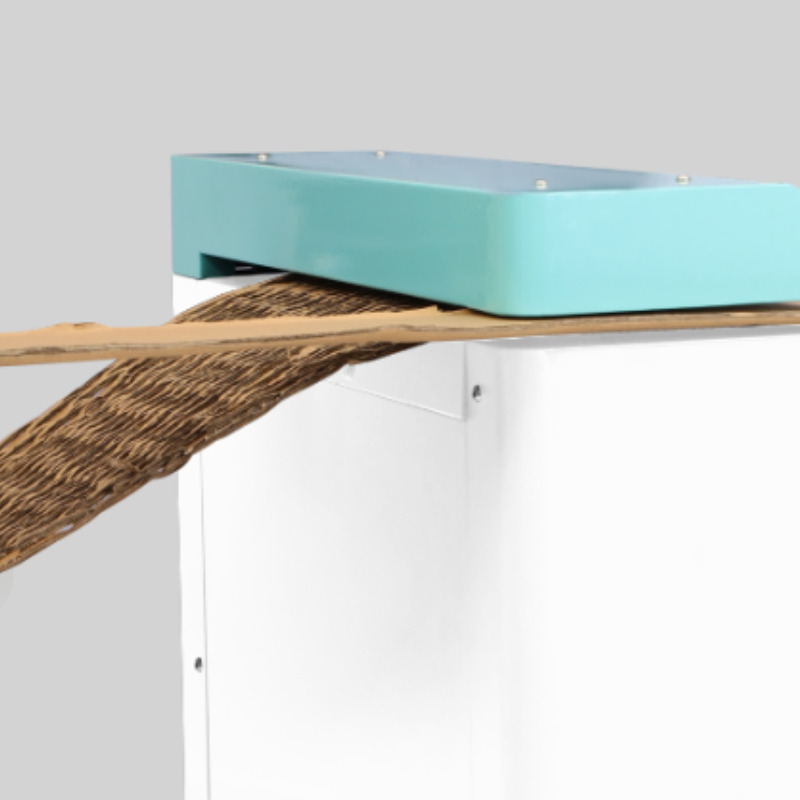
1. Overloading the Shredder
One of the most frequent errors is overloading the machine. Piling in too much cardboard at once can jam the shredder, cause uneven shredding, and shorten the lifespan of the blades.
Tips to Avoid Overloading:
-
Feed cardboard sheets gradually, especially corrugated cardboard.
-
Follow the manufacturer’s recommended maximum sheet size and thickness.
-
Use shredders with automatic feed functions for high-volume packaging stations.
2. Using the Wrong Type of Cardboard
Not all cardboard is created equal. Cardboard with plastic coatings, wax finishes, or excessive tape can damage blades and reduce shredding efficiency.
Industries affected:
-
E-commerce: Packaging with laminated surfaces.
-
Industrial spare parts: Heavier corrugated boxes with labels and adhesives.
Recommendation Table:
| Cardboard Type | Shredder Suitability | Notes |
|---|---|---|
| Single-wall corrugated | High | Smooth operation |
| Double-wall corrugated | Medium | Feed slowly |
| Laminated/Coated | Low | May cause blade wear |
| Tape-covered | Low | Remove tape before shredding |
3. Neglecting Maintenance
Cardboard shredders are powerful machines, but they require regular maintenance. Ignoring routine cleaning, lubrication, and blade inspections can lead to reduced efficiency and costly repairs.
Maintenance Checklist:
-
Empty shredder bins frequently to avoid jams.
-
Clean dust and residue from blades weekly.
-
Inspect blades for wear and replace as recommended.
4. Improper Safety Practices
Cardboard shredders may look simple, but they can be dangerous if used incorrectly. Many workplace injuries occur due to lack of proper safety procedures.
Safety Tips:
-
Keep hands and loose clothing away from the feed area.
-
Ensure the machine is turned off during maintenance.
-
Train staff thoroughly on operational safety.
5. Ignoring Sustainable Shredding Practices
Sustainability is no longer optional—especially for companies with eco-conscious customers. Failing to implement shredding strategies that prioritize recycling and reuse can harm your brand image and increase waste disposal costs.
Sustainable Packaging Suggestions:
-
Collect shredded cardboard for recycling into protective void-fill.
-
Use shredded material as cushioning for fragile goods shipping.
-
Integrate shredders into warehouse waste management systems.
Conclusion
Avoiding these common mistakes ensures that your cardboard shredder not only operates efficiently but also contributes to safer, greener, and more cost-effective packaging. Whether you are protecting e-commerce parcels, shipping fragile goods, or managing industrial packaging, the right shredding practices transform your workflow.
Our machines are designed to enhance packaging safety, reduce environmental impact, and optimize operational efficiency. By adopting proper usage techniques and maintenance routines, businesses can maximize their return on investment while delivering exceptional product protection.


