

7 Key Factors to Consider When Choosing an Industrial Shredder Machine
Introduction
When it comes to choosing the right industrial shredder machine, the decision can be complex, given the variety of options available and the specific needs of each application. Whether you are dealing with paper, cardboard, plastic, or other materials, selecting the appropriate shredder is crucial for achieving maximum efficiency, cost-effectiveness, and safety. This guide will help you understand the key factors to consider when purchasing an industrial shredding machine.
Purpose & Application
The first and most important factor in selecting an industrial shredder machine is understanding your purpose and application. What materials do you need to shred? Different shredders are designed to handle specific materials, such as paper, cardboard, plastics, metals, or wood. Additionally, the volume of material to be processed can also dictate the type of machine you need.
For Paper: If your business involves shredding sensitive documents, a commercial paper shredding machine is ideal.
For Cardboard: If your operations require shredding large volumes of cardboard for recycling or disposal, look for heavy-duty cardboard shredding machines.
For Mixed Materials: Some industrial shredders are capable of handling mixed waste, such as plastics, rubber, and metals, which are typically used in larger industrial settings.
By knowing your needs upfront, you can ensure that the shredder you choose is tailored to your specific application.
Processing Capacity
Processing capacity is a critical consideration when choosing an industrial shredder. It refers to the amount of material the machine can process within a given time frame, typically measured in kilograms or tons per hour.
High Volume Needs: If your business generates a large volume of material for shredding, a machine with higher capacity, such as a heavy-duty industrial shredder, will be necessary.
Low to Medium Volume: For smaller operations, machines with moderate processing capacities might be sufficient.
Choosing the right capacity ensures that your shredding operations run smoothly without overloading the equipment, which could lead to downtime or excessive wear.
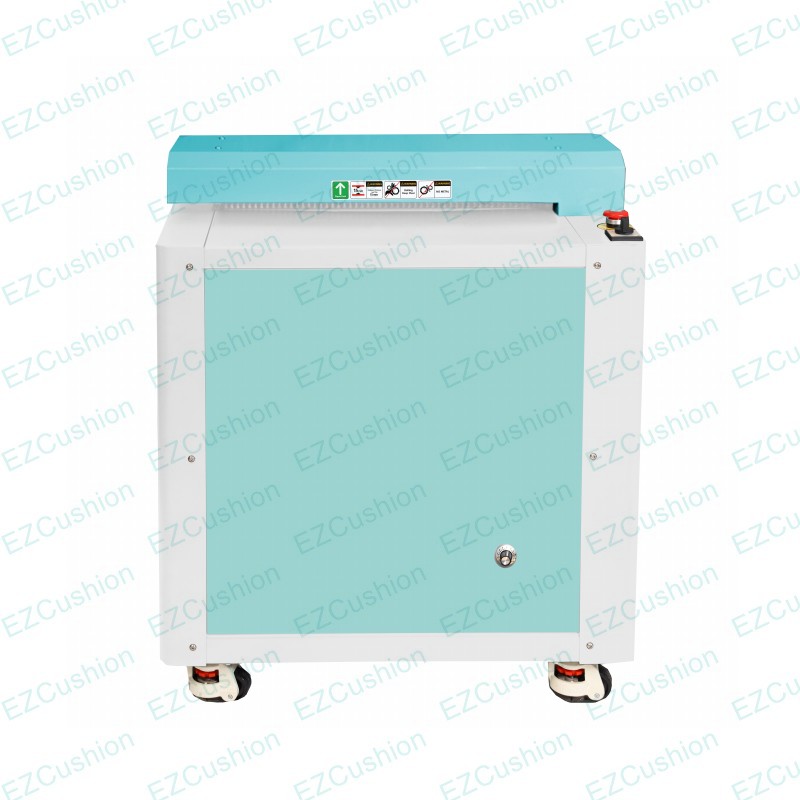
Heavy duty paper cardboard shredder 1
Material Types
Different materials require different shredding mechanisms, so it’s crucial to ensure that the shredder you select can handle the materials you’ll be processing.
Paper and Cardboard: These materials require shredders with robust blades that can handle large, bulky loads.
Plastics and Rubber: These materials may need shredders with higher torque to ensure they break down effectively without jamming.
Metals and Wood: For shredding tougher materials like metals or wood, choose a shredder specifically designed for heavy-duty applications.
Understanding the material types you need to shred will help you select the right machine to avoid frequent maintenance issues and ensure optimal performance.
Machine Structure & Size
The structure and size of the shredder play an important role in how well it will fit into your operations. Larger shredders are typically used for bulk shredding, while compact machines are better suited for smaller operations or tighter spaces.
Compact Machines: If your business has limited space, a more compact shredding machine may be suitable. These are often used in offices or smaller industrial settings.
Heavy-Duty Machines: Larger machines designed for industrial-scale shredding operations are typically more powerful and can handle greater volumes of material.
Make sure to measure the available space in your facility and choose a shredder that fits within these constraints while offering the necessary capacity.
Power & Drive System
The power of the machine is another key factor to consider. Industrial shredders require a significant amount of power to perform efficiently, especially when dealing with heavy-duty materials.
Electric Power: Most shredders are powered by electricity, which is suitable for most applications, offering efficient and consistent power.
Hydraulic Systems: In some cases, hydraulic shredders provide additional power, ideal for shredding tougher materials.
The type of power system you choose will depend on the materials you plan to shred and the energy efficiency requirements of your operation.
Cost & Maintenance
The upfront cost of the shredder is an important consideration, but so is its long-term cost of ownership. Some shredders may seem more affordable initially, but they could incur higher maintenance costs due to frequent breakdowns or inefficiency.
Initial Investment: While high-end shredders may come with a higher price tag, they tend to be more durable and efficient in the long run.
Maintenance & Parts: Regular maintenance is required to keep the shredder in optimal condition. Choose a machine with readily available parts and consider service contracts for ongoing support.
Considering both the initial purchase cost and long-term maintenance will ensure that you make a sound investment.
Safety & Compliance
Lastly, safety is an essential factor when choosing an industrial shredder. Ensuring that the shredder meets industry safety standards is crucial to prevent accidents and ensure a safe working environment. Additionally, compliance with environmental and waste disposal regulations should be factored into your decision.
Safety Features: Look for shredders that come with safety features like automatic shutoffs, emergency stop buttons, and protective covers.
Compliance with Regulations: Ensure that the shredder complies with local environmental laws and regulations regarding waste disposal and material recycling.
Investing in safety and compliance will reduce the risk of accidents and legal issues down the line.

High Speed Crinkle Paper Shredding Machine SD PS300 1
Conclusion
Selecting the right industrial shredder machine is crucial for optimizing your material processing operations. By considering the purpose and application, processing capacity, material types, machine structure, power system, cost and maintenance, and safety requirements, you can make an informed decision that aligns with your needs. Ultimately, a well-chosen shredder will increase your operational efficiency, reduce downtime, and keep your workplace safe.


